ROWAN VALE
Wharnley Burn: The Tolkien Waterfall Hidden in County Durham
Walking Through the Woodland of Wharnley Burn
There are some places that seem to exist in two worlds at once.
You can find them on any Ordnance Survey map. They have names, grid references and well-worn footpaths leading towards them. Yet, somehow, they feel as though they belong to another age entirely. An age when forests whispered secrets, rivers remembered names long forgotten, and every waterfall concealed something just beyond ordinary sight.
Wharnley Burn waterfall, tucked away in the Durham countryside, is one such place.
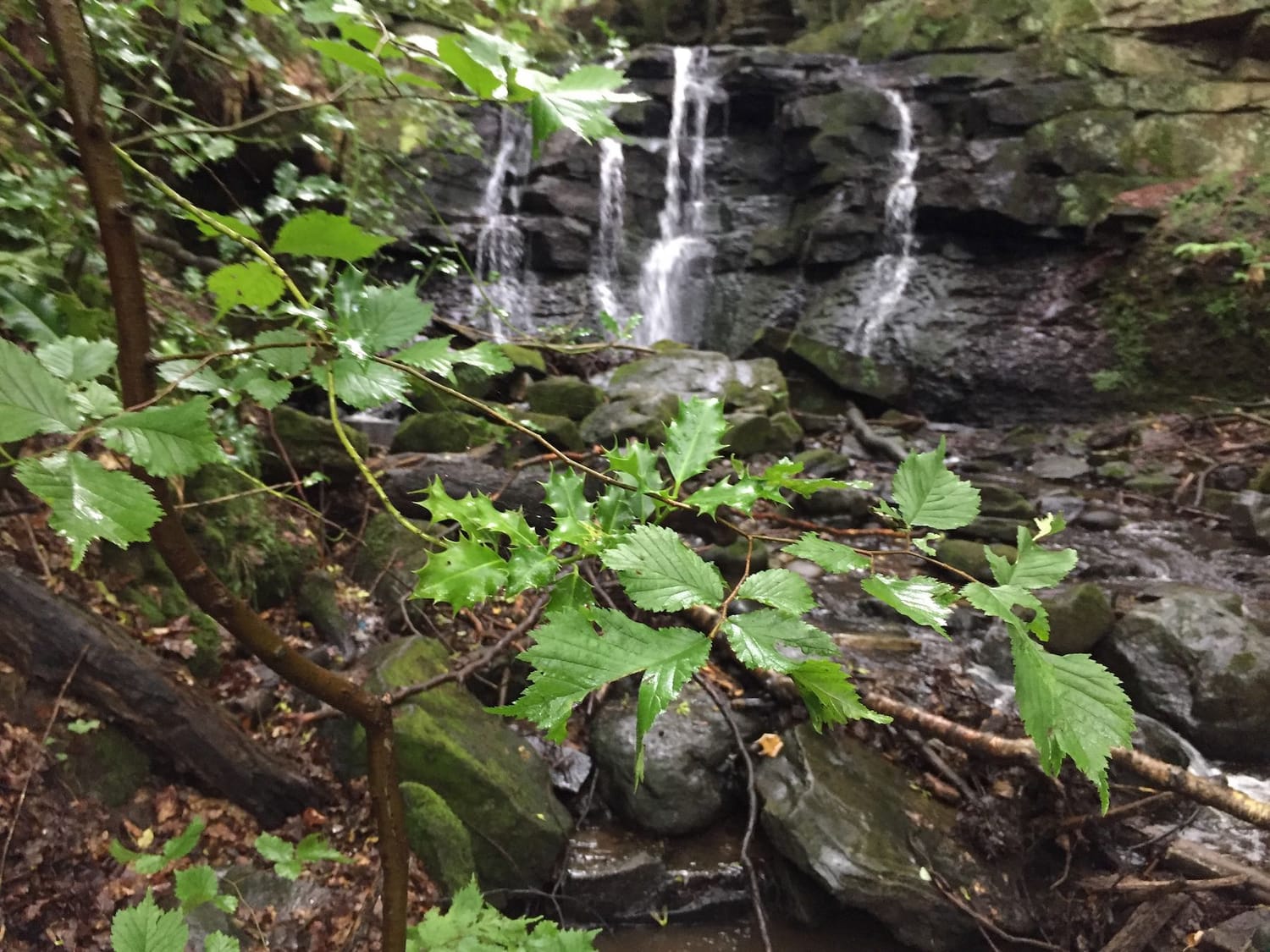
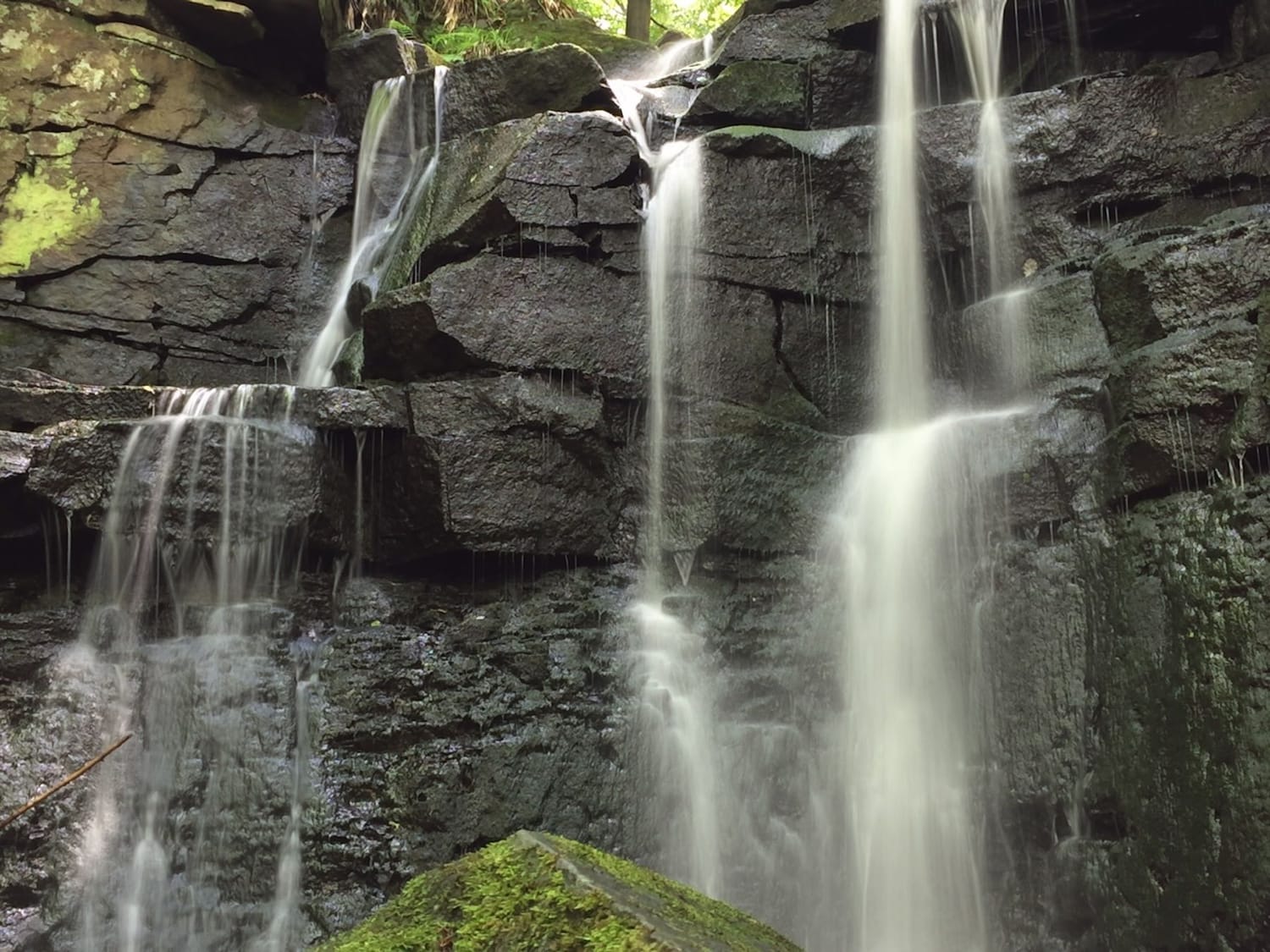
At first glance, it's simply a beautiful section of woodland where clear water tumbles over ancient rock before continuing its patient journey towards the River Derwent and then to the mighty Tyne. Moss blankets fallen trunks. Ferns unfurl beneath the dappled canopy. Sandstone ledges, sculpted by countless winters and spring floods, frame pools as dark as polished glass.
But spend a little longer here—walk more slowly, speak more quietly—and another landscape begins to reveal itself.
Not through magic. Through imagination. Perhaps that is where all the best myths begin.
Why Ancient Landscapes Inspire Myth
Long before people built churches and castles, stories were already attached to places like this.
Our ancestors didn't invent myths because they misunderstood the natural world. They created them because they observed it with extraordinary attention.
A solitary ash tree standing above a gorge became the meeting place of spirits.
Mist rising from a waterfall at dawn became the breath of hidden beings.
An oddly shaped boulder became a giant turned to stone.
These tales were rarely intended as literal history. Instead, they offered a way of understanding landscapes emotionally as well as physically. They transformed geography into memory. Even today, it's surprisingly easy to understand why.
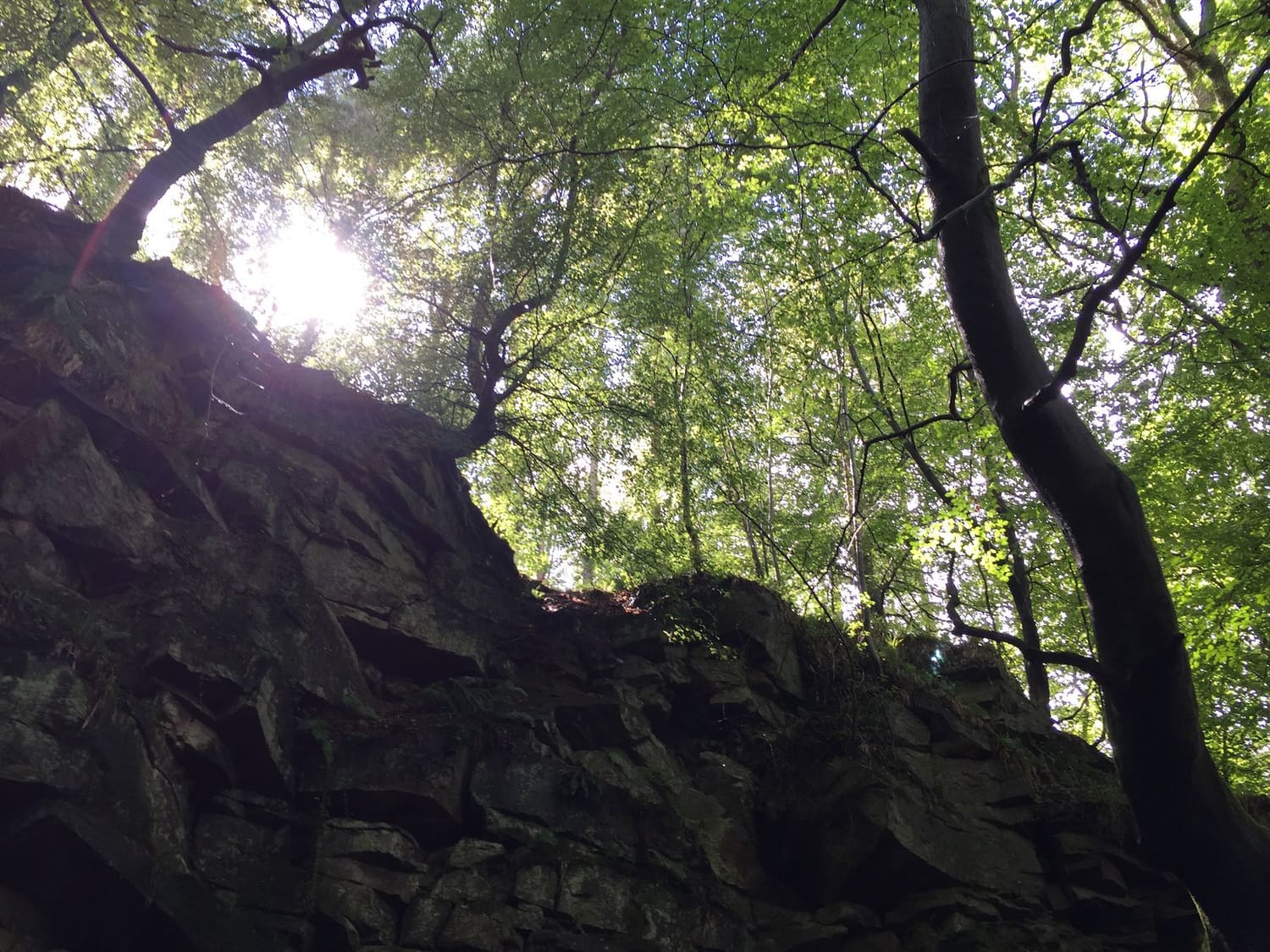
Standing beside Wharnley Burn fall, the constant voice of cascading water masks distant traffic as modern life dissolves. Sunlight filters through leaves in shafts that shift to and fro. The woodland seems almost reluctant to reveal its full face, inviting you around one more bend, over one more ridge, towards one more hidden cascade.
Places like this encourage curiosity. They invite stories.
When Waterfalls Became Sacred Places
Across Britain and Ireland, waterfalls have long been regarded as thresholds.
In Celtic tradition, flowing water was a boundary between worlds—a place where the ordinary and the unseen touched. Sacred wells were believed to possess healing properties. Springs became places of pilgrimage. Rivers carried offerings to unseen powers. A waterfall amplified this sense of mystery.
Unlike a quiet stream, falling water announces itself long before it appears. You hear it before you see it. The sound echoes through woodland, drawing you onward like a distant call. It is hardly surprising that so many legends gathered around cascades.
Some told of faery kingdoms concealed behind curtains of water. Others spoke of enchanted maidens, water horses, or ancient guardians watching over hidden treasures.
Whether anyone truly believed these stories is not the point. The landscape itself encouraged belief.
Tolkien and the Power of Real Landscapes
Visitors often describe places like Wharnley Burn as "Tolkien-esque."
It's an understandable comparison.
Twisted roots gripping moss-covered rocks. Ancient trees arching across narrow paths. Streams that vanish beneath stone before reappearing in sparkling pools. It all feels remarkably familiar.
Yet Tolkien's greatest achievement was not creating fantasy. It was recognising something that already existed.
As a scholar of myth, language and folklore, he understood that certain landscapes awaken something deeply rooted within us. Middle-earth feels believable because it is built from real places, remembered forests, forgotten paths and ancient traditions woven together.
When you stand beside a woodland waterfall and half expect to glimpse a ranger emerging between the trees or hear distant singing carried on the wind, you're responding to something older than fantasy literature.
You're recognising archetypes.
The hero's path. The hidden valley. The enchanted wood. The crossing into the unknown.
These patterns appear in myths from almost every culture because humans have been finding them in landscapes for thousands of years.
The Ancient Rocks of Wharnley Burn
The remarkable thing is that reality often proves just as fascinating as legend.
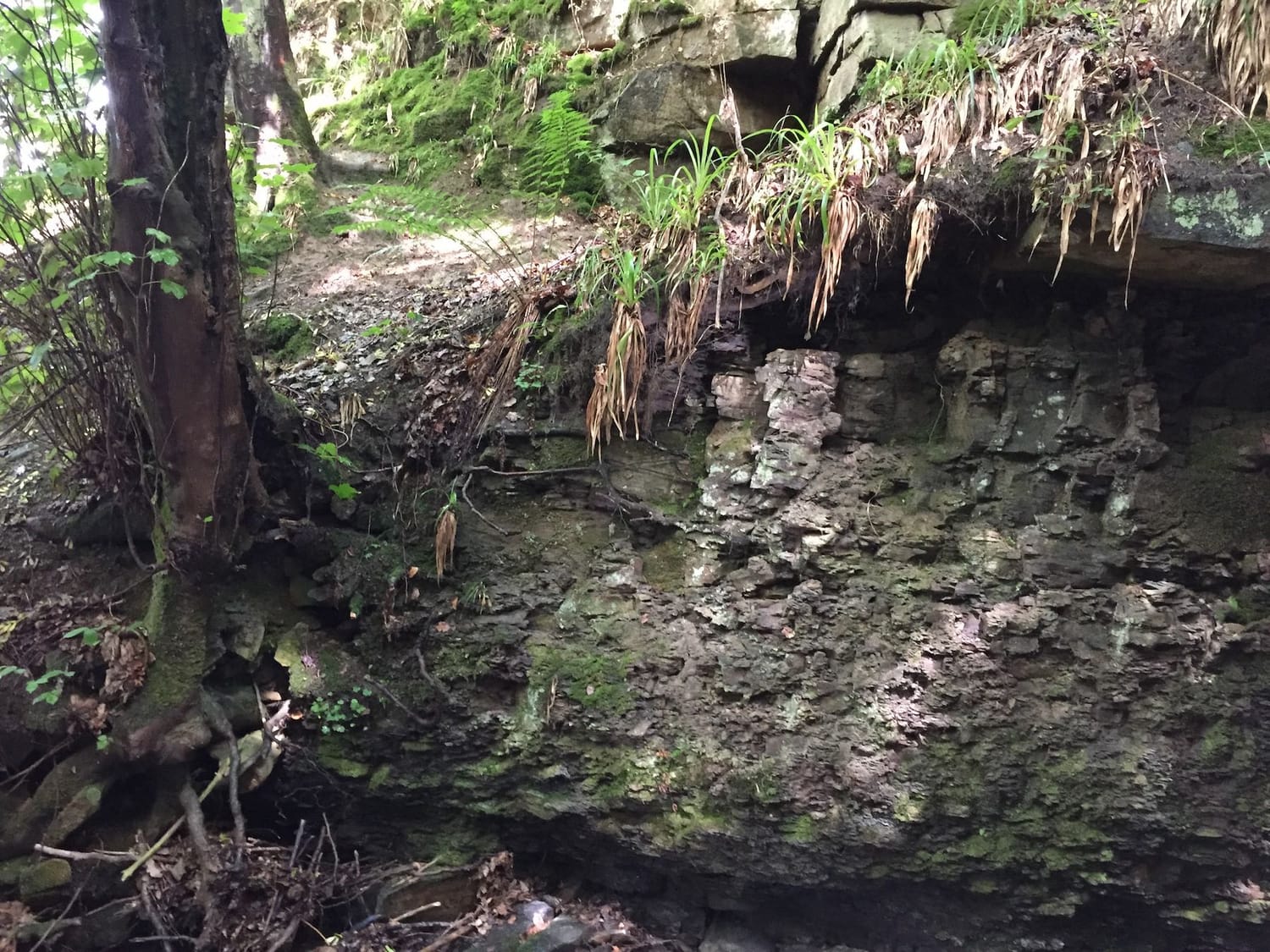
The sandstone surrounding Wharnley Burn was laid down hundreds of millions of years ago when this part of northern England lay within vast river systems and tropical environments unimaginably different from today's countryside.
Water has spent millennia carving channels through these rocks, creating the stepped cascades, pools and narrow gorges that now appear almost deliberately designed for storytelling.
The mosses, lichens and ferns flourishing in the damp microclimate soften every edge, making solid stone appear alive.
No supernatural explanation is required. Nature has simply had more time than we can comprehend. Yet knowing the science does not diminish the mystery.
If anything, it deepens it.
To stand beside a waterfall shaped over geological ages is to experience time on a scale that myths have always attempted to express.
Listening to the Woodland
The greatest gift of places like Wharnley Burn is that they encourage us to slow down.
Modern life often demands that every walk has a destination and every photograph an immediate audience. Yet woodland has always worked to a different rhythm. It rewards patience.
Sit quietly beside flowing water for ten minutes and the landscape begins to rearrange itself. Birds resume their conversations. Dragonflies patrol the pools. Sunlight shifts across the rocks almost imperceptibly. What first appeared silent becomes wonderfully alive.
The old storytellers understood this instinctively.
They knew that if you remain still long enough, the land eventually begins to speak—not in words, but through texture, movement, scent and sound.
That conversation is still taking place today. We've simply forgotten how to listen.
The old stories were never really about invisible beings hiding beneath waterfalls, they were about us.
Every generation leaves traces in the places it loves.
Children build dens beneath ancient trees. Artists and ramblers return to favourite viewpoints year after year. Photographers wait patiently for the right shaft of light. Writers fill notebooks with observations that may one day become stories.
Gradually, memories accumulate.
The landscape becomes layered—not only with geology and ecology, but with human experience.
This may be the truest meaning of a spirit of place.
Not ghosts. Not faeries. Not creatures hiding beyond the edge of sight.
But the invisible weight of countless lives that have paused, wondered and imagined in exactly the same place.
Play Me
Why We Return to Places Like Wharnley Burn
Every landscape carries two histories.
One is written in rock, water and woodland. The other is written in imagination.
Neither diminishes the other. Instead, they intertwine like the roots of neighbouring trees, each giving strength to the other across generations.
Wharnley Burn needs no castle ruins, no carved standing stones, and no documented legends to possess a sense of enchantment. The place itself is enough. The waterfall, the woodland and the ancient sandstone invite the same questions that inspired your ancestors to populate the wild with spirits, guardians and hidden kingdoms.
Perhaps that is why such places continue to draw you back.
Not because you expect to discover elves or forgotten treasure. But because, for a little while, you remember that the world is richer when it still contains mystery.
And if, as you leave the woodland, you glance back one final time towards the falling water and find yourself wondering whether someone—or something—might still be watching from between the trees...
...then the spirit of the place has already done its work.
All the best, Rowan.
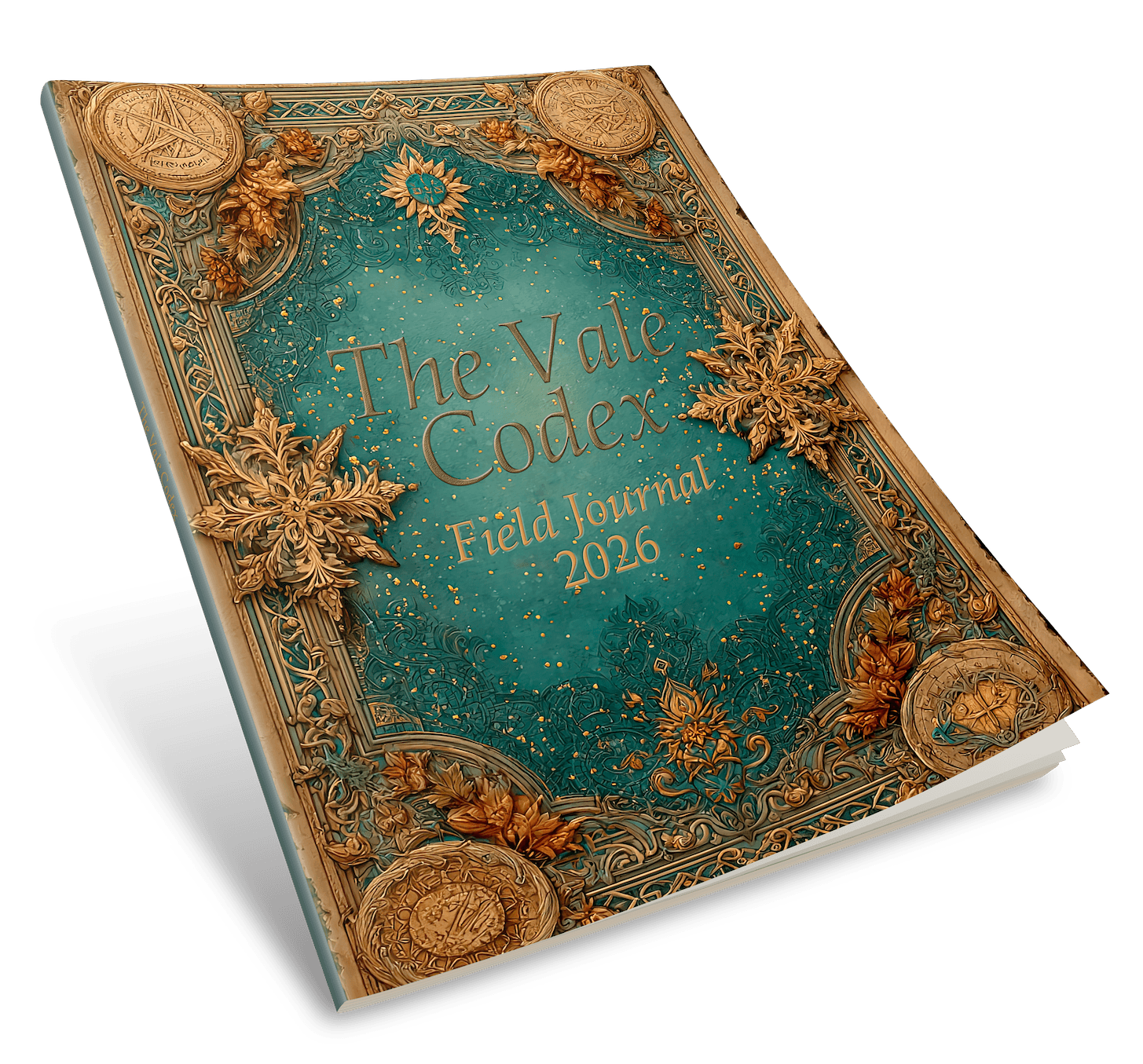
"GREAT NEWS... The 2026 Vale Codex Field Journal is available to download NOW!
The 48-page journal is a friend to carry on your own journey, expanding your mind and illuminating your path.
Tap this link to find out how to get your complimentary PDF copy right now!"
Kind regards, Rowan.