
ROWAN VALE
Weekend in Prague
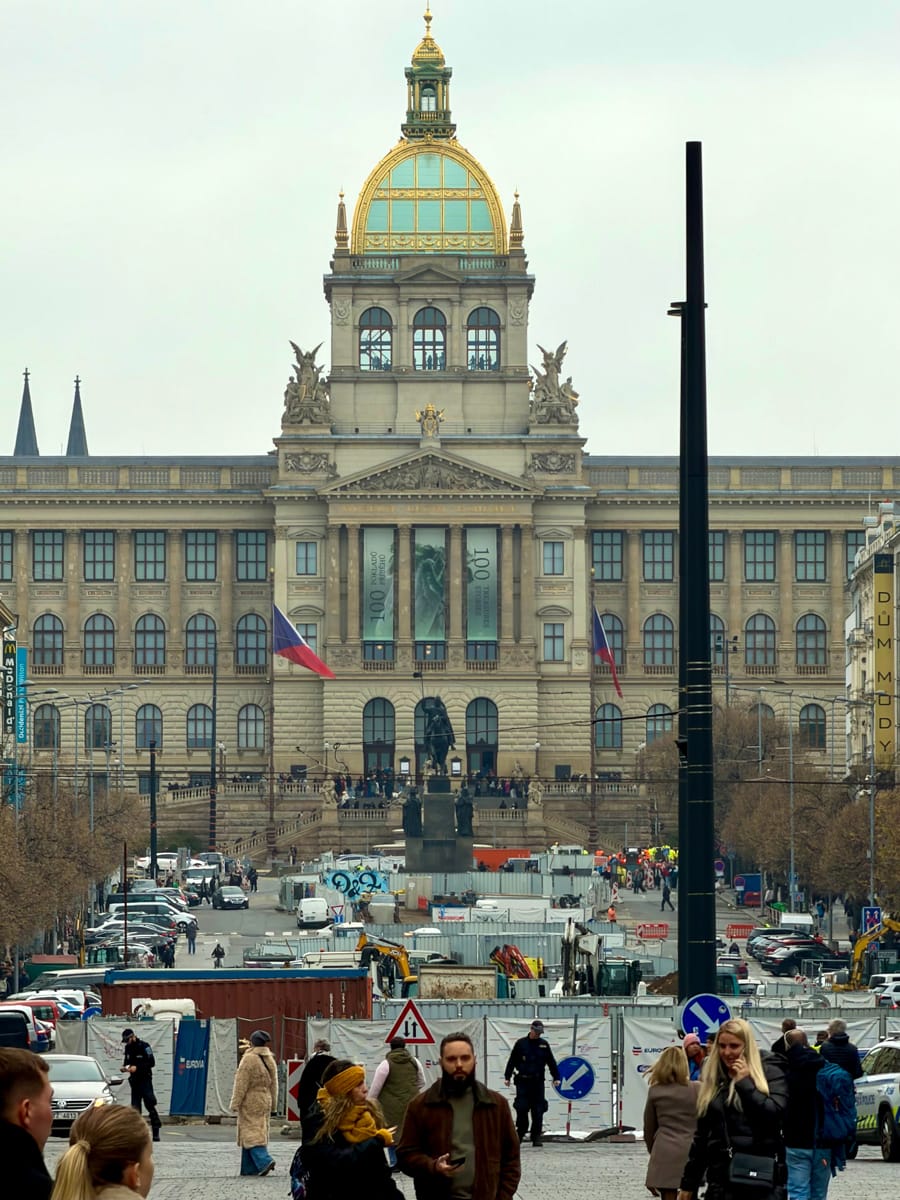
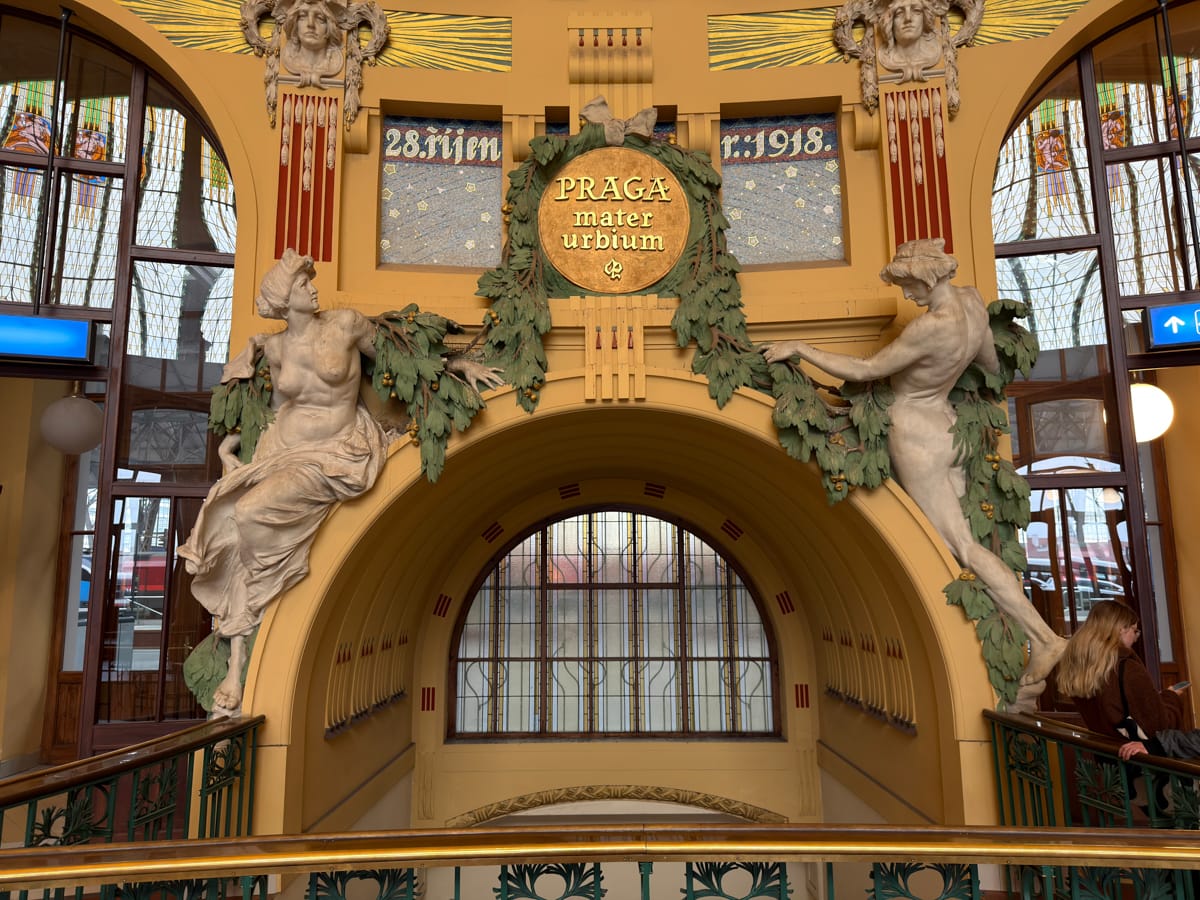
Prague isn’t a city you can grasp all at once, and two days is definitely not enough to fully discover Czechia’s awe-inspiring capital, but it is still possible to cover a lot of ground in a limited time, so let’s get started.
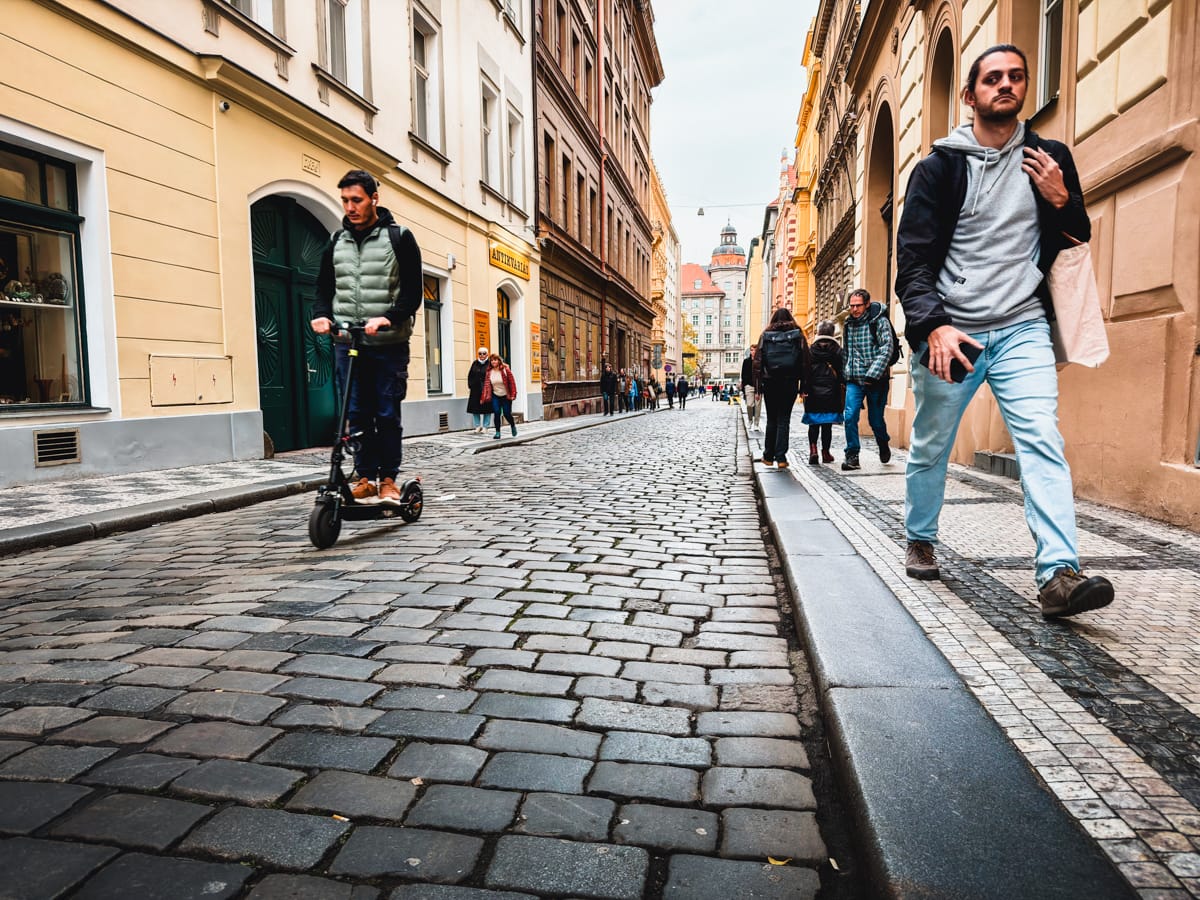
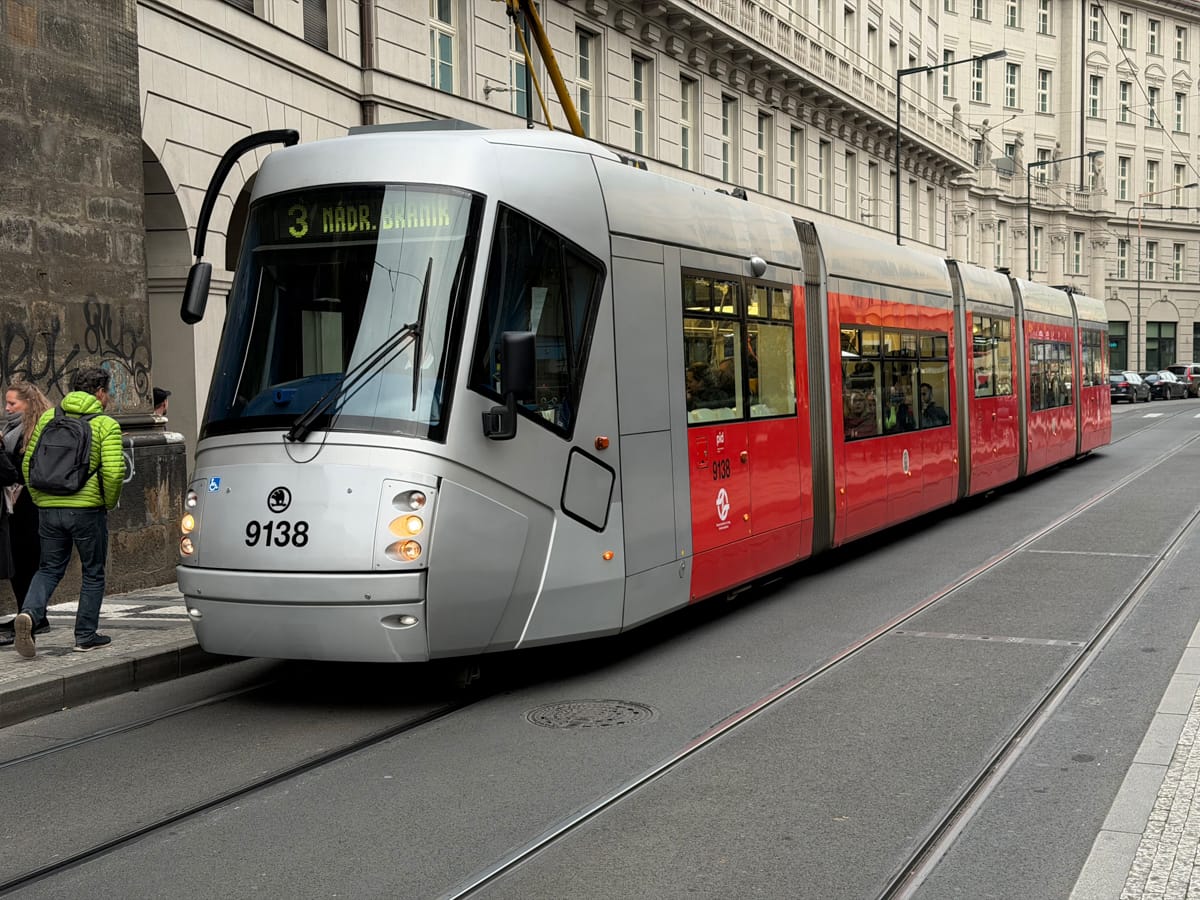
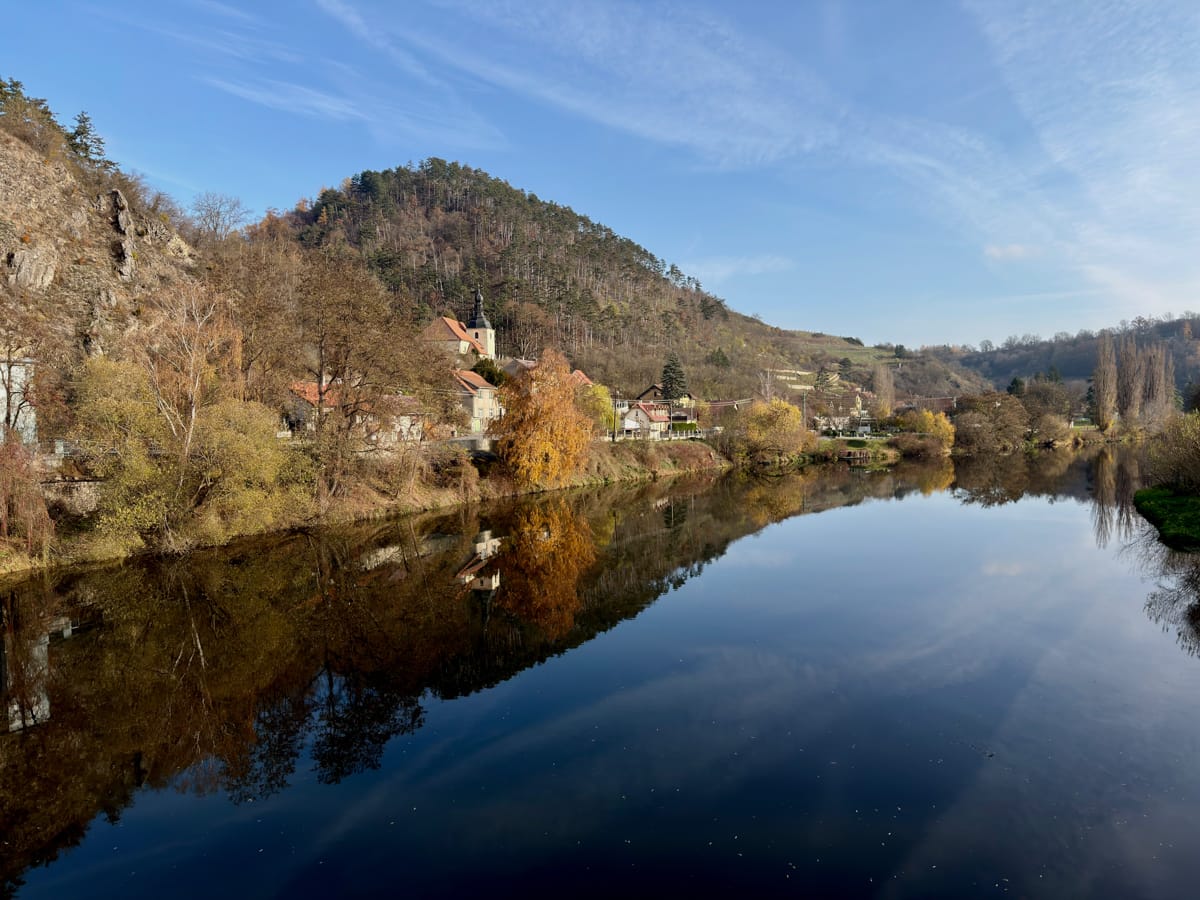
The city’s character sits in layers—historic, political, creative—and you start to understand it only by paying attention to the contrasts uncovered through daily life. An early morning walk along the Vltava River makes that clear. Commonly referred to as ‘the ‘Czech national river’ it moves quietly, its 18 bridges sit in a soft haze, swans and coots languidly peruse the waters, and the city itself wakes in small sounds: innumerable yet punctual trams rumble through the streets, bicycles and e-scooters pitter-patter on cobblestones, a steady stream of commuters purposefully go about their business. The river feels calm, but there’s a sense of how much it has seen over time. Prague bears witness to its past without flaunting it.
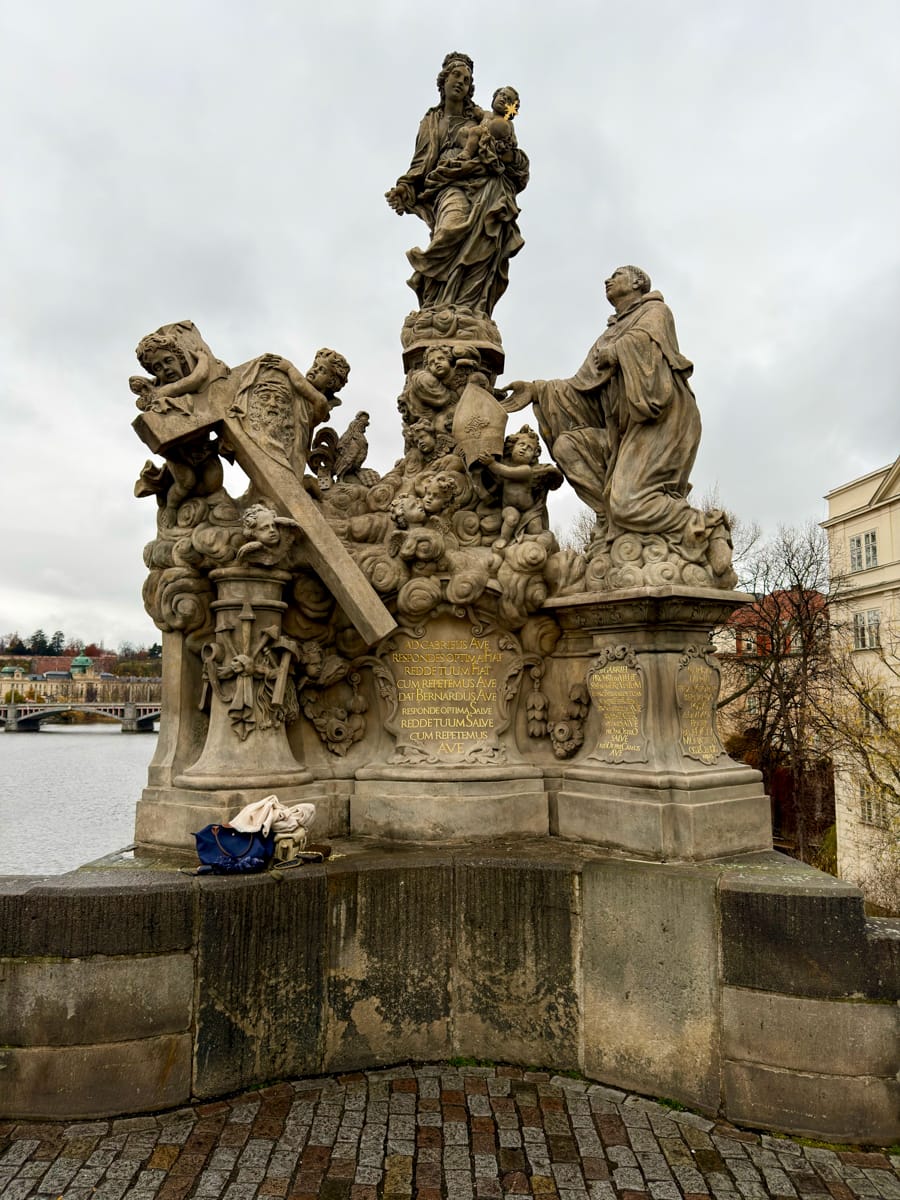
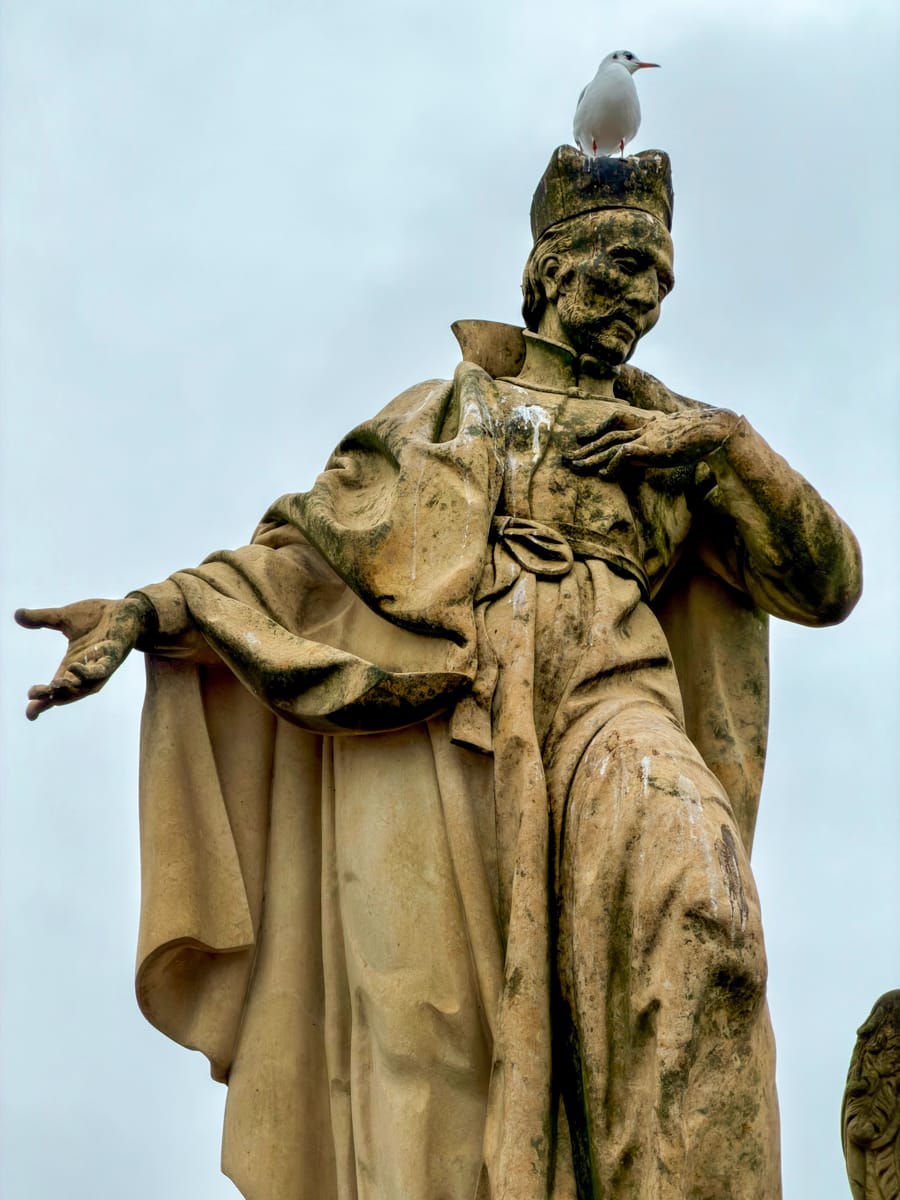
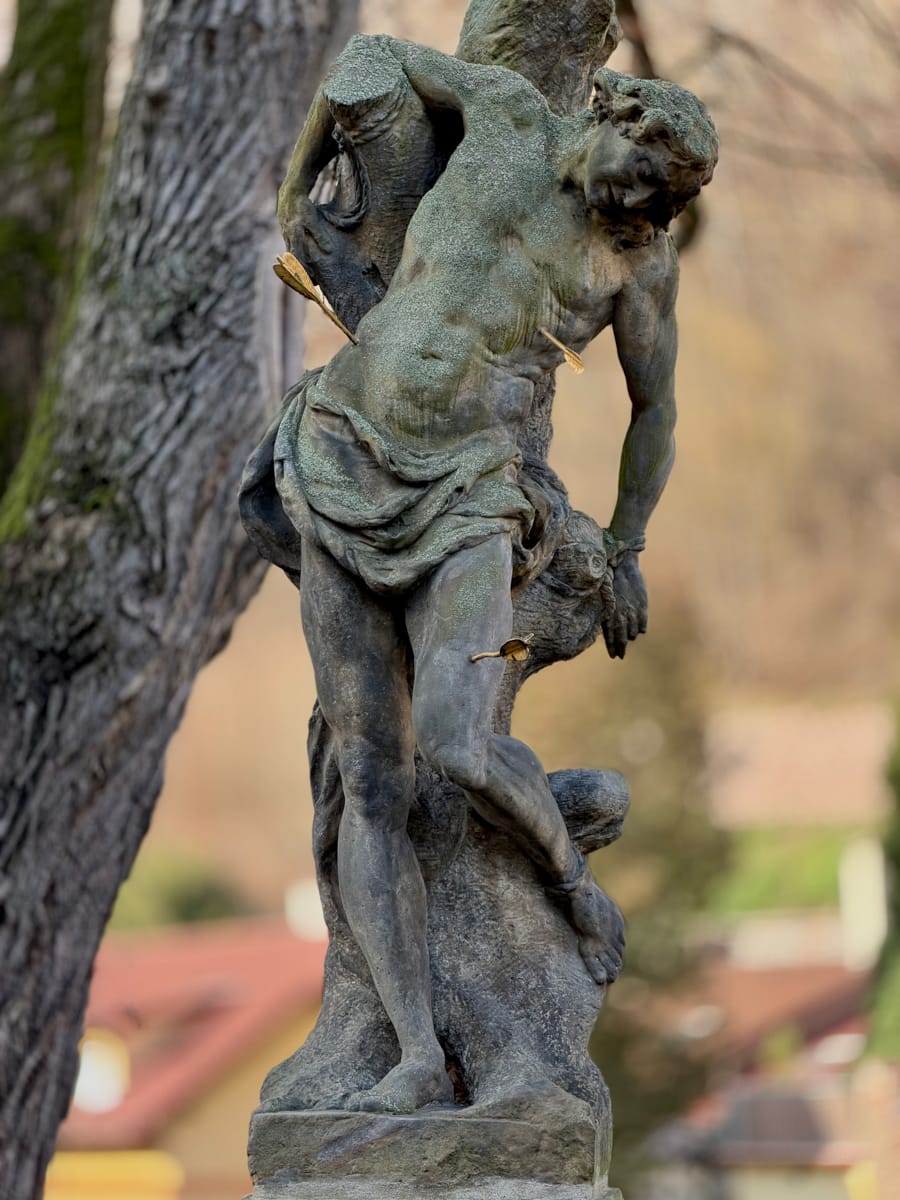
Crossing the river over Charles Bridge early morning is one of the few ways to admire the 635-year-old gothic structure without crowds. Time-worn statues, darkened by centuries of weather, give the bridge a steady, grounded mood. They’re a reminder that the city’s ornate buildings aren’t delicate; they were built to last through wars, occupations, and political upheaval. Even here, on one of Europe’s most popular boulevards, there’s a feeling of resilience beneath the surface of this age-old public art exhibition.
On the far side of the river, Malá Strana shifts the atmosphere. Ancient houses, narrow lanes, and small courtyards create pockets of calm. A doorway framed in ivy, a lone bell ringing somewhere unseen—details that make the district feel older and slower. But the quiet charm doesn’t excise the tough history underneath. These neighbourhoods are shaped as much by fire and conflict as by craftsmanship. The mix gives Malá Strana a solid, lived-in quality.
A climb to Prague Castle opens the city in one sweeping view—rust-red rooftops, the bend of the river, the jumble of towers and domes. St. Vitus Cathedral rises above everything, its gothic spires sharp against the sky. Inside, coloured light falls across the stone, shifting with the sun. But the most telling contrast appears outside the cathedral walls: baroque streets below blending into the more severe shapes of the communist-era buildings beyond. It isn’t jarring—just a clear reminder of how Prague has absorbed each chapter of its past.
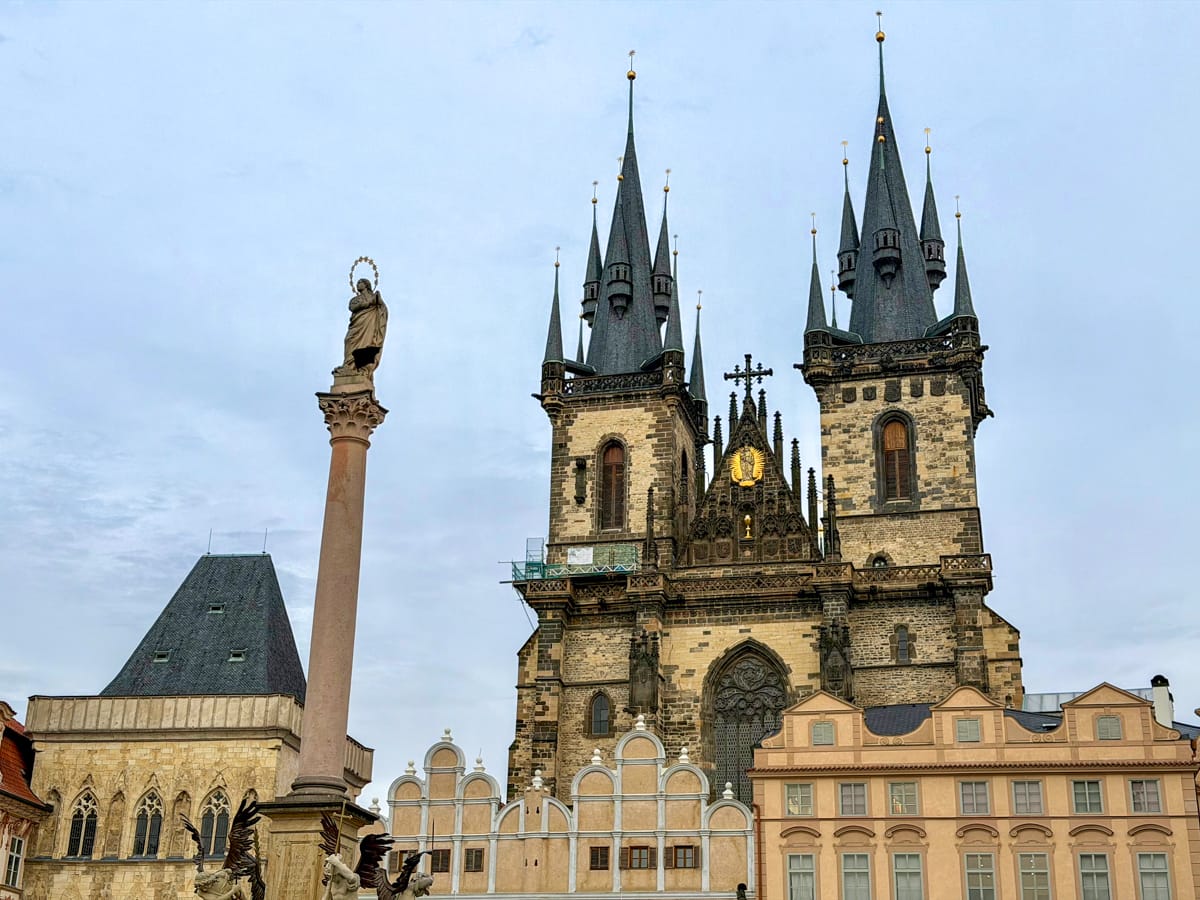
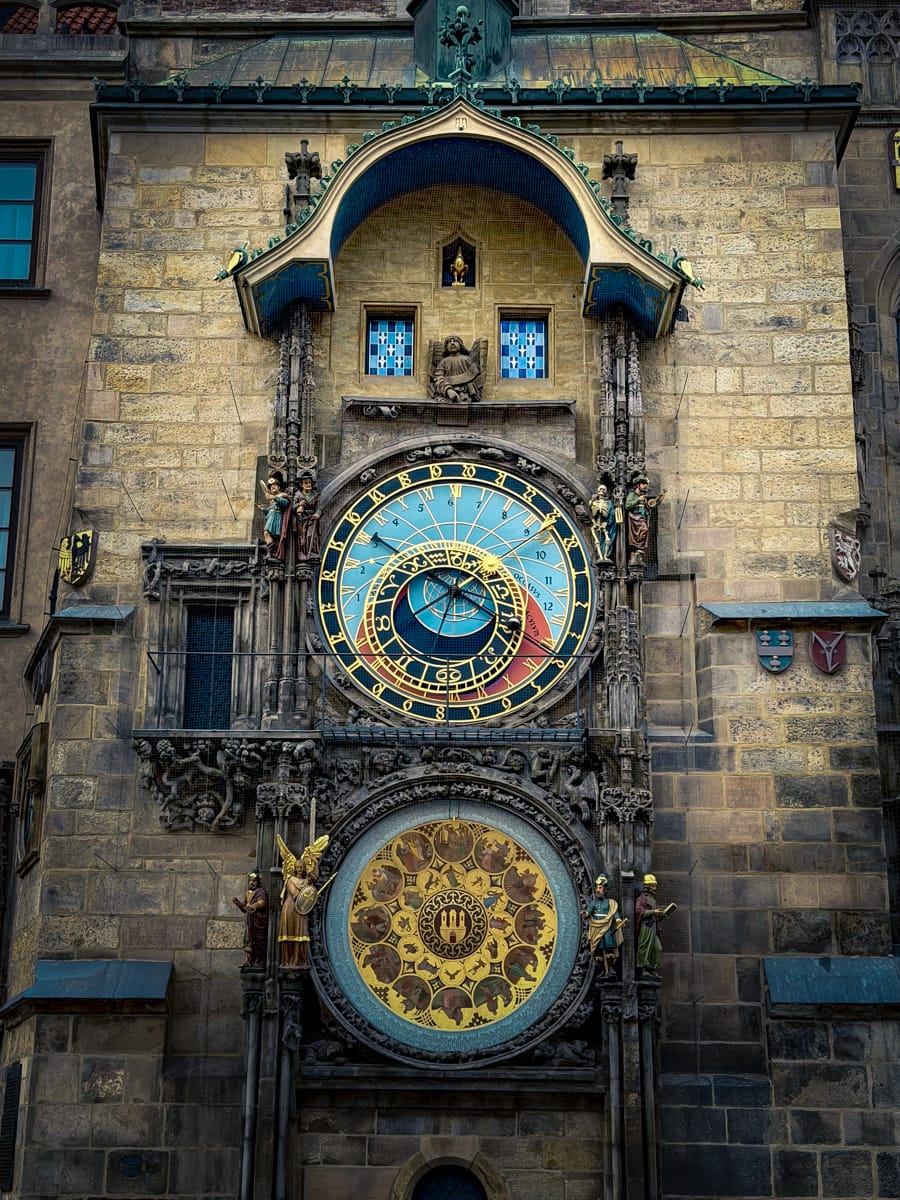
In Old Town, layers of time become even more noticeable. Medieval lanes lead suddenly into busy squares, where cafés sit under decorative façades. The Astronomical Clock draws its usual crowds each hour, but step into a side alley and you find quieter, industrious scenes: a bakery offering fresh, hand-crafted fare ready for early morning custom, a courtyard café preparing delicious coffee and pastries for breakfast, a simple façade newly restored, sitting beside its weathered neighbour. The city’s identity is reflected in these small details.
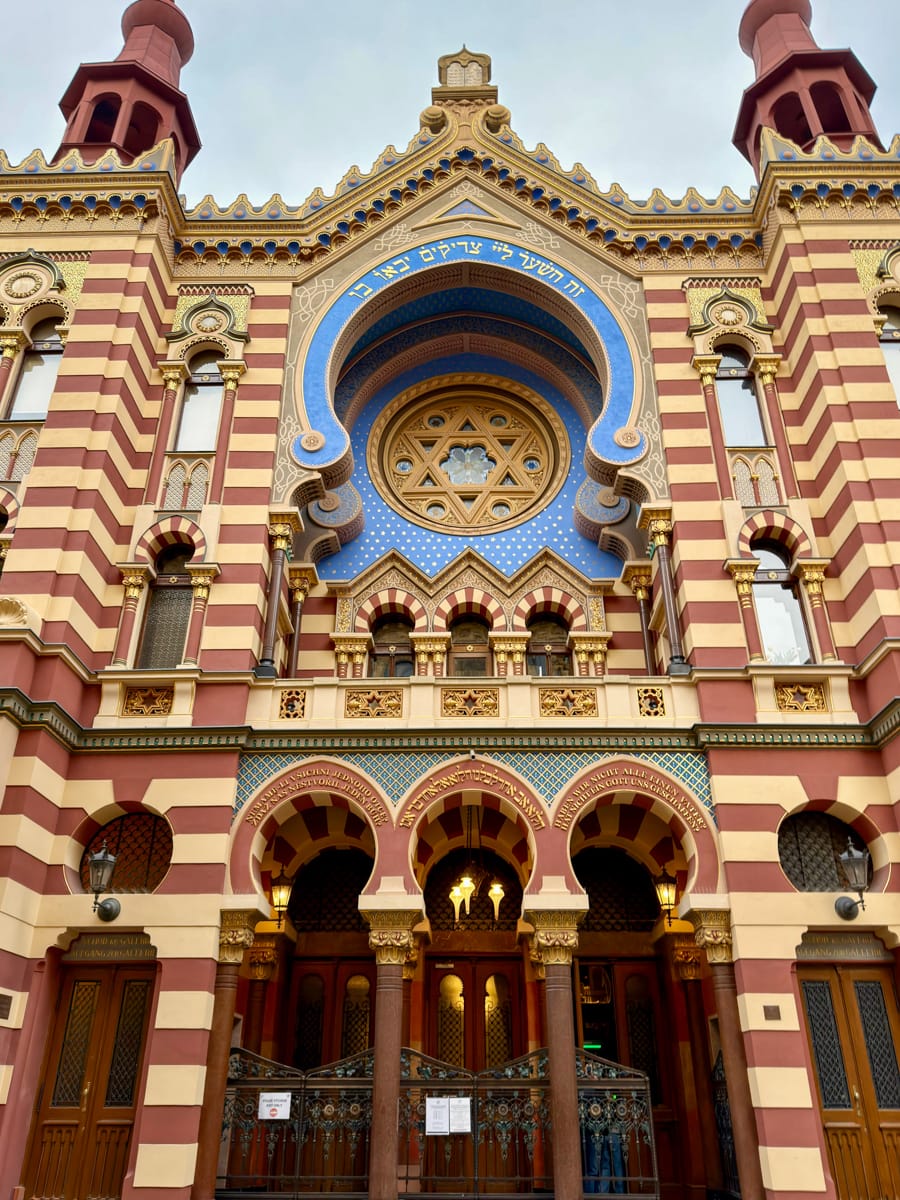
A short walk away, the Jewish Quarter offers a different kind of stillness. The Old Jewish Cemetery, with its crowded, leaning stones and canopy of trees, is one of the most affecting places in Prague. It doesn’t feel staged or overly curated—just quietly present. This part of the city holds a long, difficult story, but it does so with a sense of respect rather than spectacle.
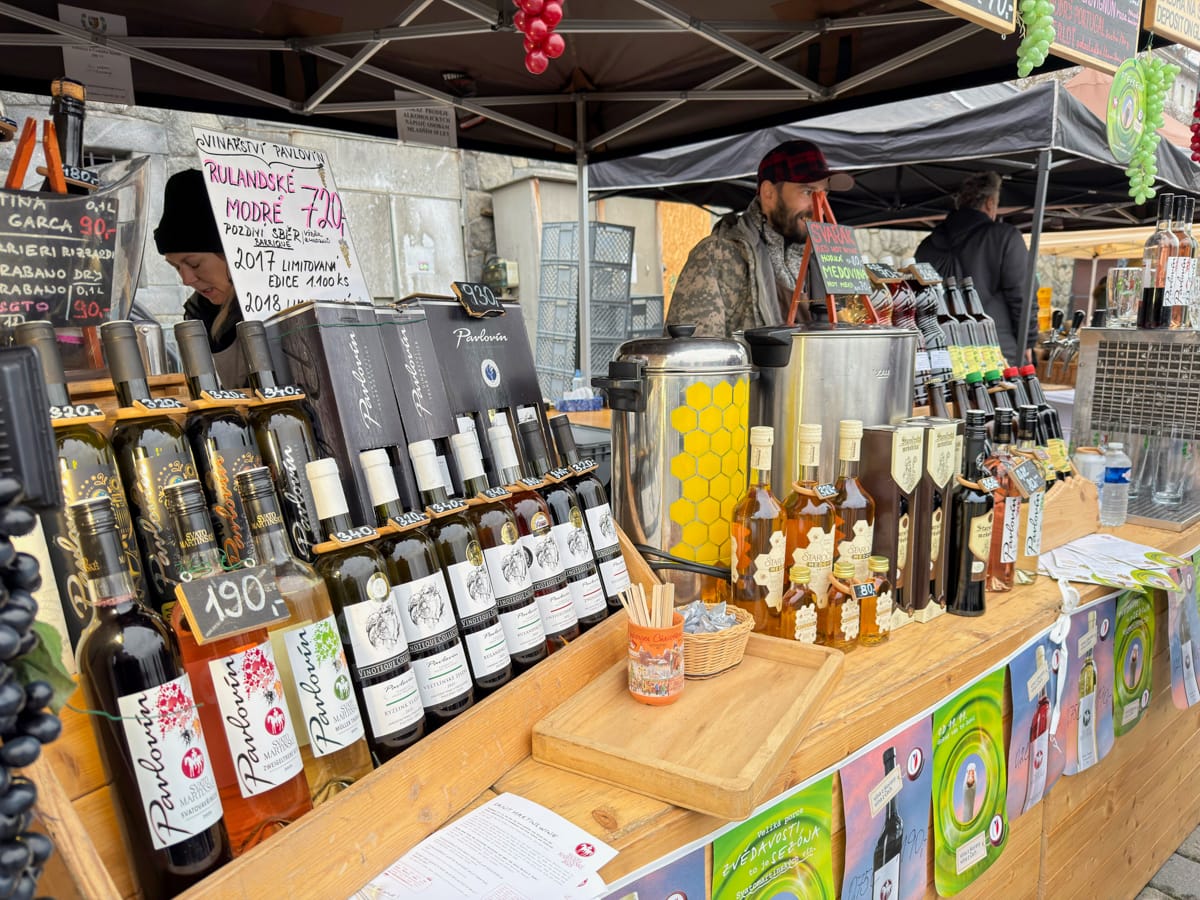
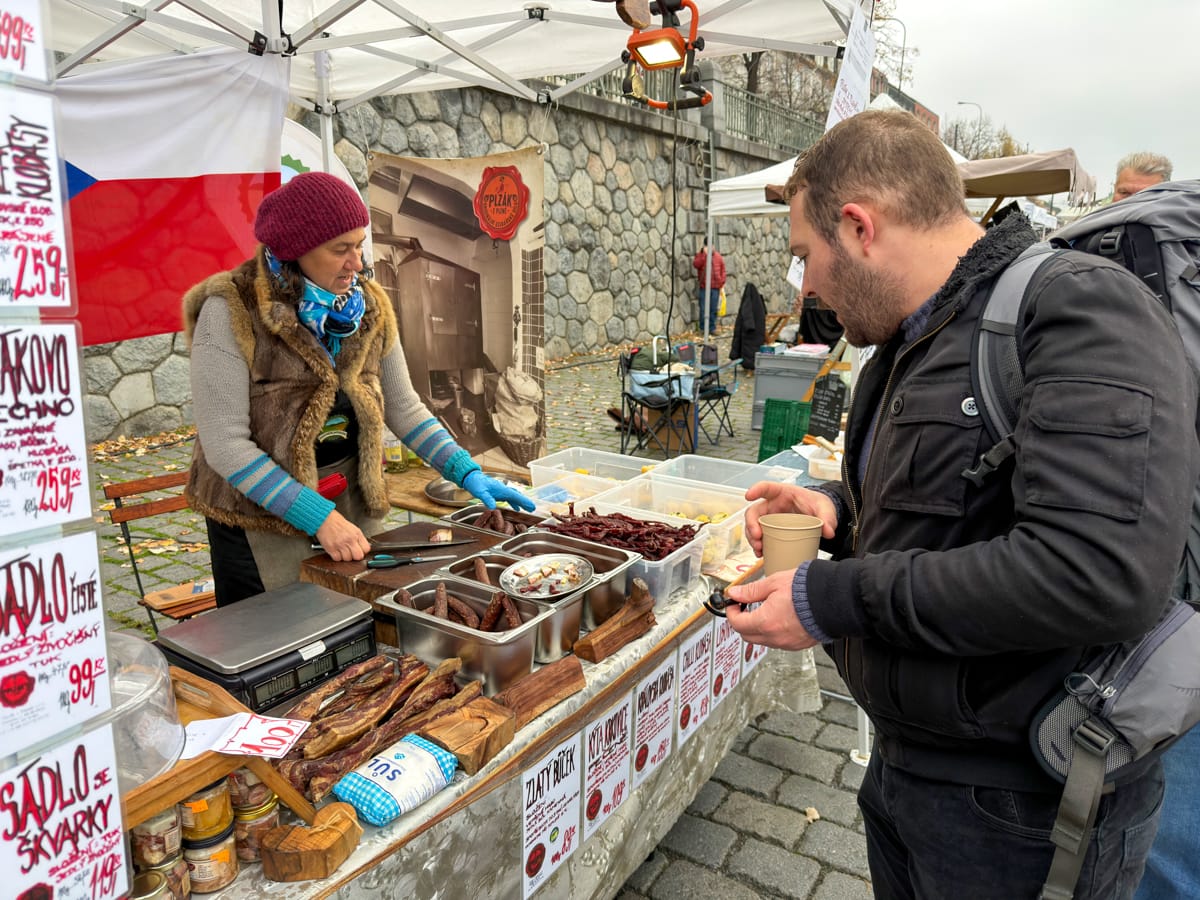
To look at Prague as it is now, districts like Žižkov and Karlín (east of the centre) show a city moving forward. Former industrial streets are now home to craft-beer pubs, cafés, studios, and apartments. Murals brighten the walls, and the energy feels a lot more local than touristic. These neighbourhoods underline that Prague isn’t simply a preserved historic centre—it’s a modern city still changing and experimenting.
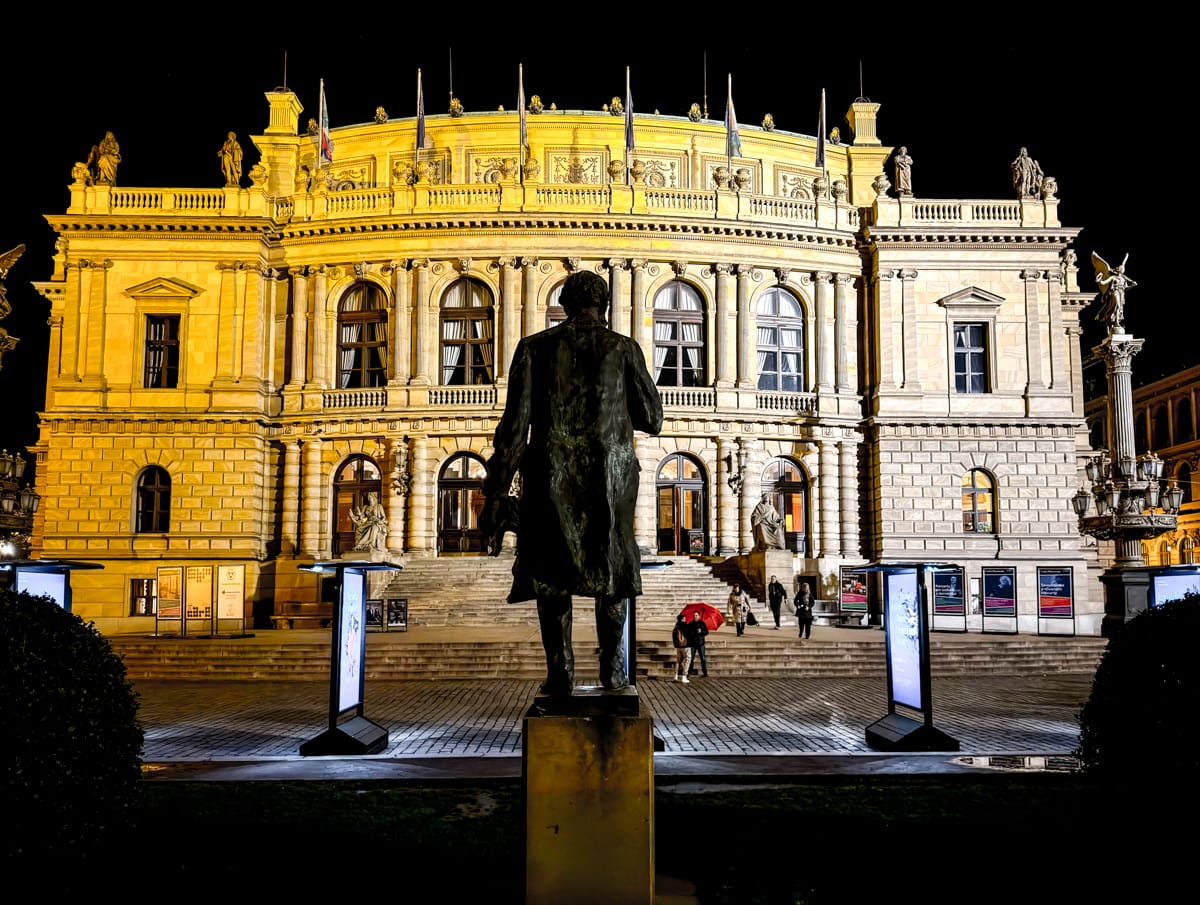
At night, everything shifts once more. The bridges glow, the river recedes, and even the busiest squares settle into something quieter. Footsteps echo more clearly, and the gothic towers become silhouettes. The city’s contrasts—ornate vs. functional, old vs. new—seem to fall into a natural balance after sunset.
Spend enough time here and those contrasts begin to blend. They form the city’s personality: beauty that hasn’t softened, history that hasn’t been sanitised, modern life that doesn’t try to outshine what came before. Prague doesn’t rely on perfection. Its appeal lies in how honestly it holds everything together.
That honesty is what stays with you. Whether you’re wandering by the Vltava at dawn or exploring the back streets after dark, the city feels real, multi-layered. In a world where many places have polished themselves into sameness, Prague stands out by being true to its past, confident in its present, and determined in shaping its future.
"GREAT NEWS... The 2026 Vale Codex Field Journal is available to download NOW!
The 48-page journal is a friend to carry on your own journey, expanding your mind and illuminating your path.
Tap this link to find out how to get your complimentary PDF copy right now!"
Kind regards, Rowan.