
ROWAN VALE
Walking the Woodland Paths of May
A Journey Through Britain’s Living Spring
The Woodland Canopy Awakens
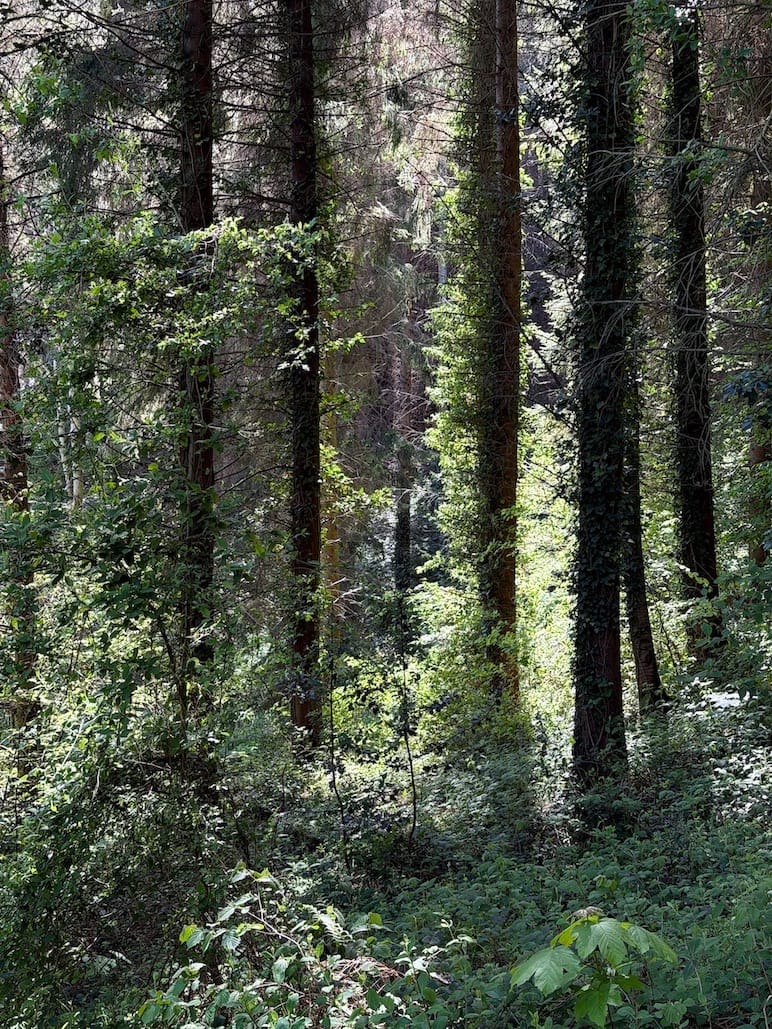
Early summer is arriving quietly across the woodland. The branches overhead, bare for so long, are suddenly alive with fresh leaves that filter the sunshine into shifting patterns across the forest floor. After weeks of holding tight against this year's elongated springtime chill, the canopy has finally opened to the season, and the entire wood seems to glow green. Perfect conditions for a May woodland walk, and sharing time with the spring woodland wildlife.
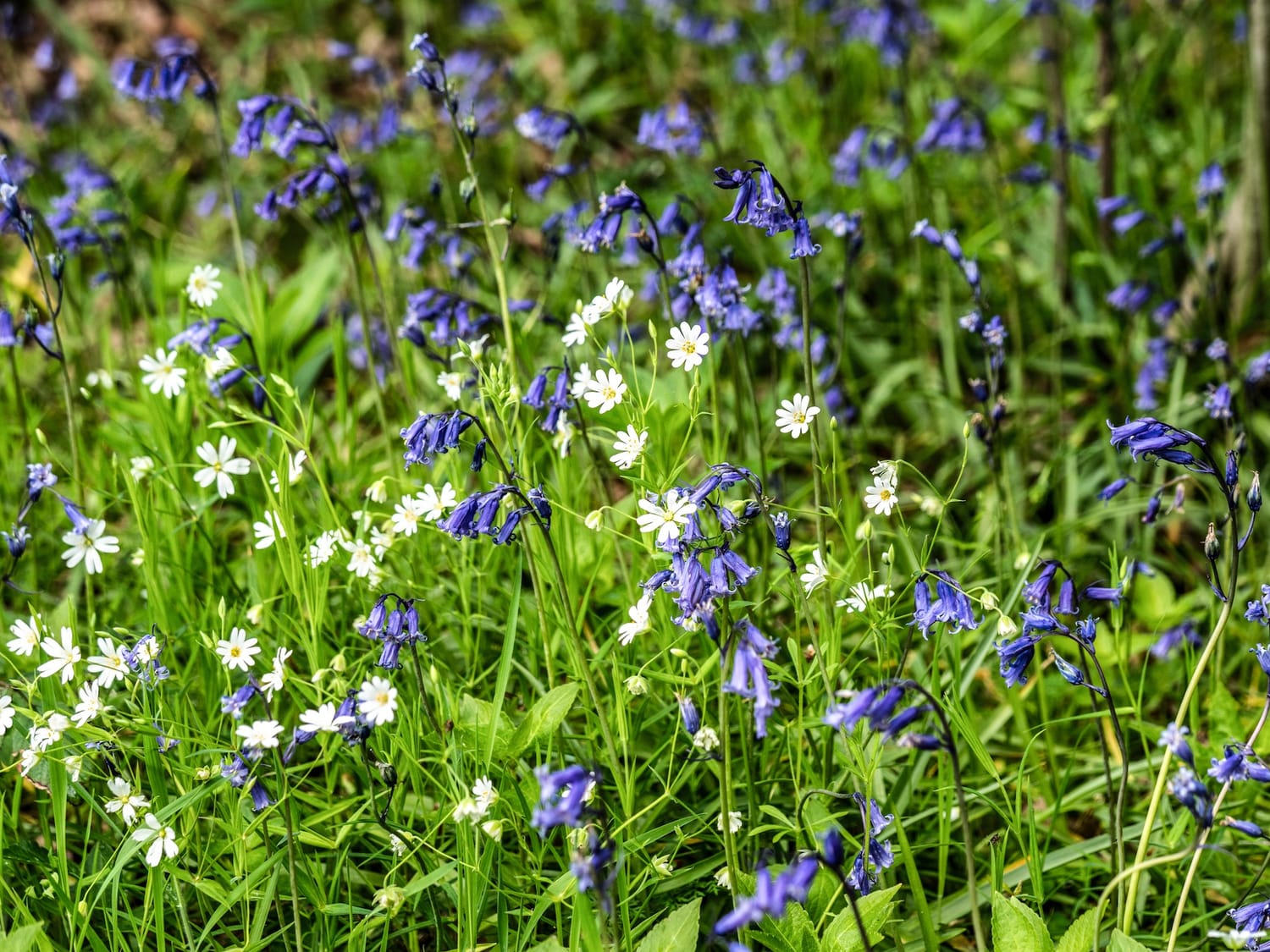
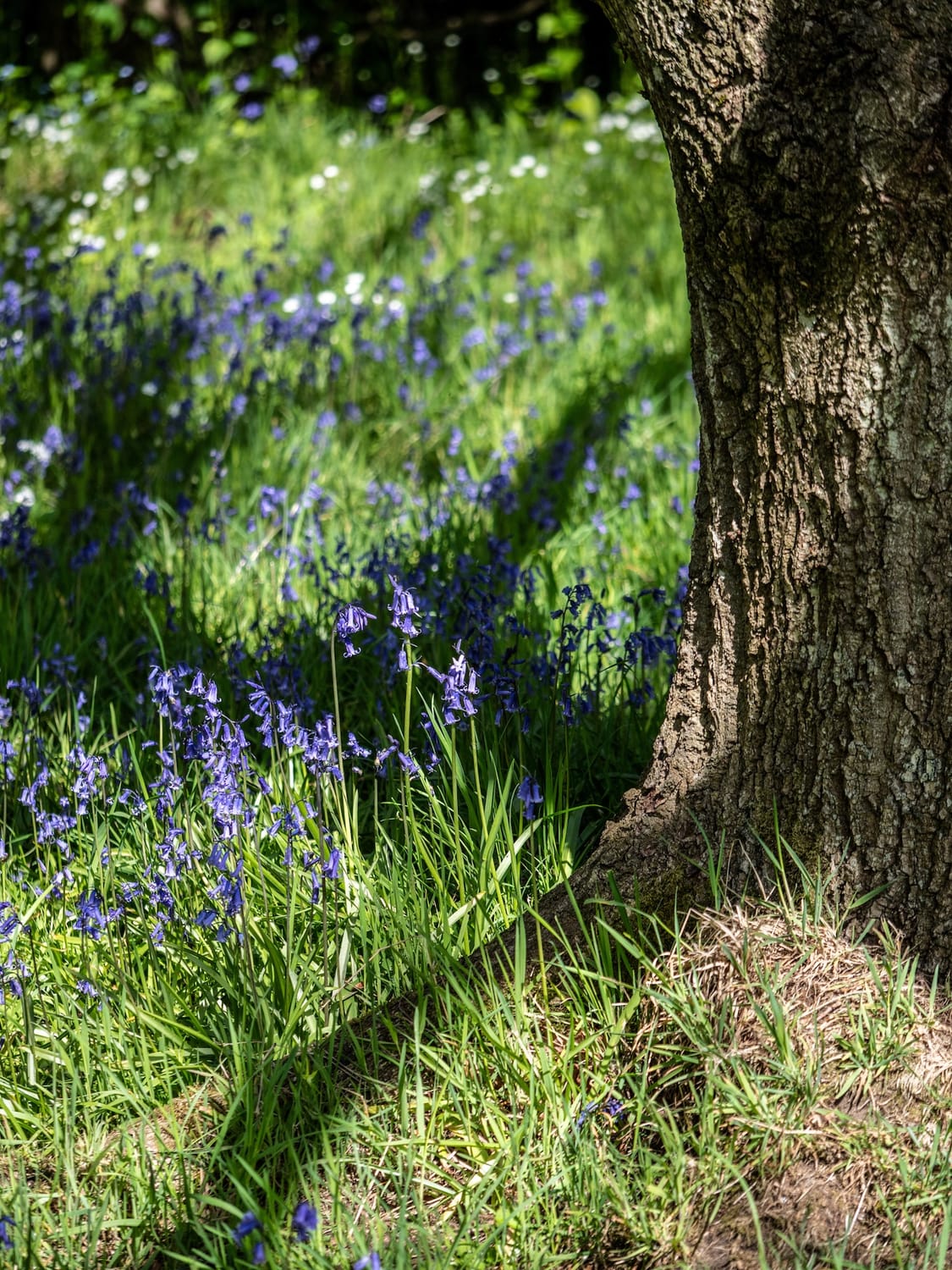
Bluebells abound in the Derwent Valley
Along the paths and clearings, colour gathers in layers. The last of the bluebells linger beneath the trees beside the fading flush of wild garlic, while foxgloves climb through the undergrowth and red campion threads through grasses at the woodland edge. Yellow pimpernel brightens patches of sunlit ground, and orchids appear silently in glades where the light reaches through. Hawthorn blossoms spread through hedgerows in clouds of white, soon to be joined by elderflower and the airy drifts of cow parsley that spill across verges and pathways like a pale mist.
Dawn chorus: Britain's Spring Symphony
Mornings belong to the birds. From early spring the morning chorus has been steadily building, and now it reaches its crescendo at dawn. Blackbirds call from high branches while flighty wrens sing furiously from hidden places below. Robins, chaffinches, warblers, tits, chiffchaffs and thrushes overlap in a dense soundscape that carries 20 times more efficiently through the cool, still air before sunrise. In these hours, every single note seems sharper, sniping through the trees before the day is fully conscious. To stand in woodland at first light while the cacophony unfolds is to feel the season's true arrival. Check out this short recording from my walk a couple of days ago.
Birdsong in the woods. Britain's Spring Symphony
Wildlife Returning to the Woodland
Later in the day, as sunlight stretches into early evening, the woodland's mammals are becoming more visible. Badger cubs tentatively venture from their setts for the first time. Hedgehogs snuffle through the undergrowth and bats flit between trees in search of insects. Everywhere, the rhythms of nesting, feeding, mating, and raising young are in full swing. Birds are gathering food for hidden chicks, insects fill the warm air and the woodland hums with the urgency of growth.
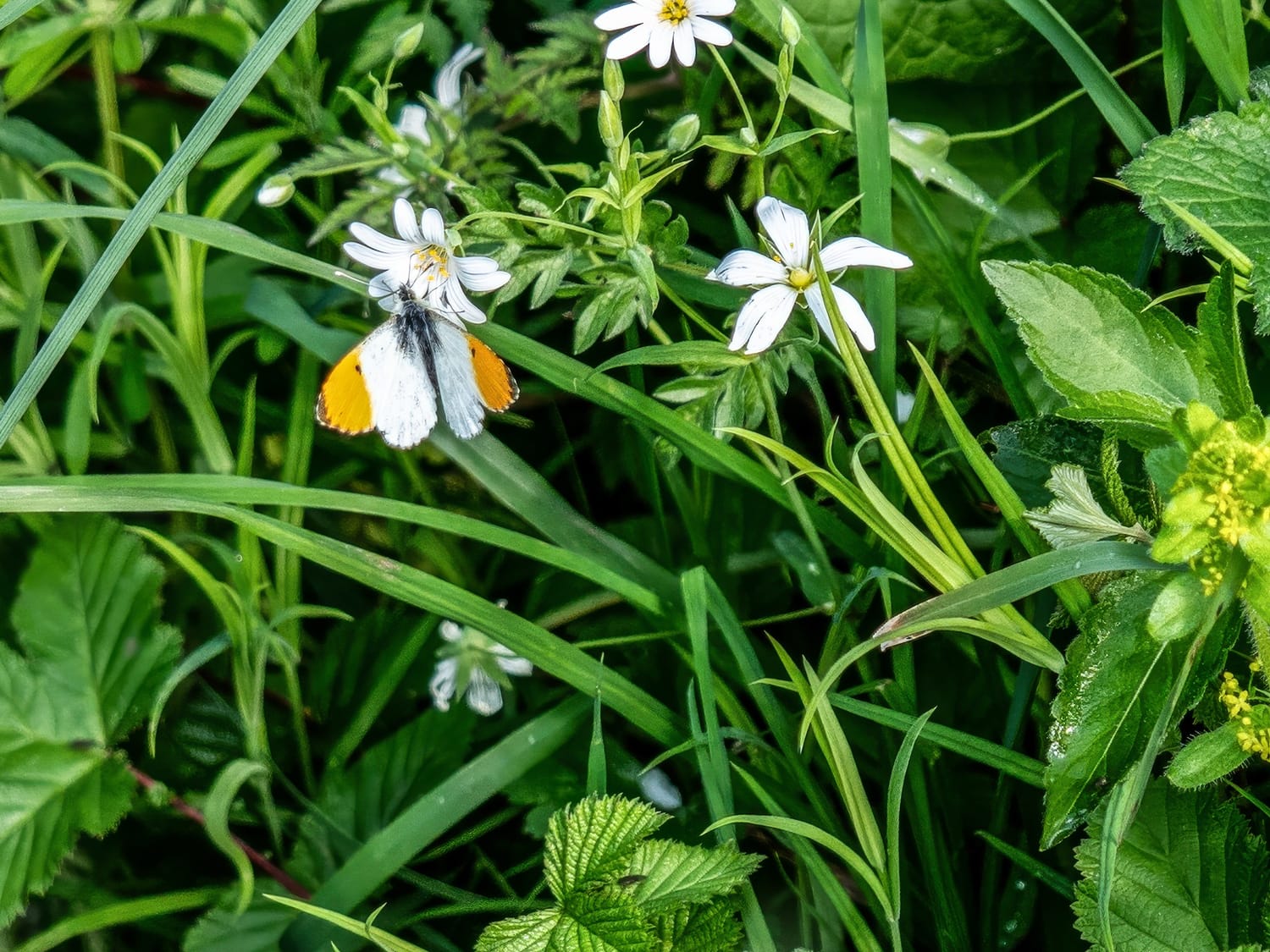
A male Orange-tip butterfly harvesting nectar from Greater Stitchwort flowers
There's a sense, at this point in the year, that the woodland has crossed completely into abundance. What began in the restrained greens of early spring has deepened into something richer and more expansive. The months ahead still move towards the pinnacle of summer, but already the woods feel alive and fully vibrant.
Benefits of Walking in Woodland in Spring
It is said the a walk through woodland has restorative properties, the Japanese have a word for it, 'shinrin-yoku' or 'forest bathing'. The practice of immersing oneself in woodland air — “receiving the forest through the five senses”. Launched by the Japanese state in 1984 as a public health initiative to ease stress and support cardiovascular and psychological wellbeing. It centres on unhurried, quiet walking, or simply sitting among trees, allowing the body to breathe in phytoncides (the aromatic oils trees give off). It is a sensory experience: absorbing the sounds of birdsong, the scents of the woods, feeling bark under the fingertips, and becoming aware of the shifting greens.
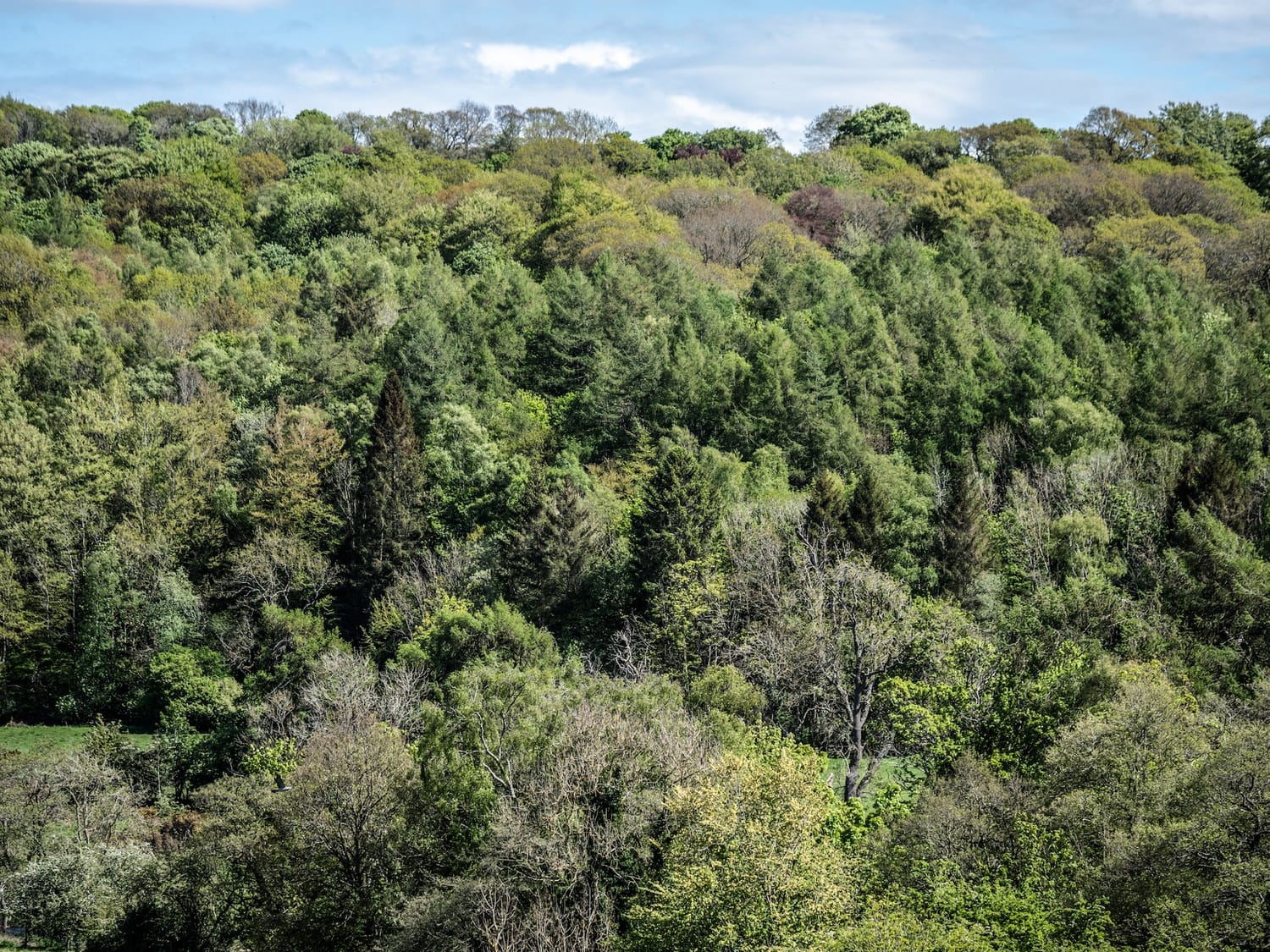
The Derwent Valley woodland canopy in spring
Evidence shows that this 'forest therapy' does help to boost health
Walking the woodland paths in May most certainly has positive effects, both mentally and spiritually. Take some time if you can. Stroll through your local woodland, even for a few minutes, and explore the benefits of a walk in the woods for yourself.
All the best, Rowan.
"GREAT NEWS... The 2026 Vale Codex Field Journal is available to download NOW!
The 48-page journal is a friend to carry on your own journey, expanding your mind and illuminating your path.
Tap this link to find out how to get your complimentary PDF copy right now!"
Kind regards, Rowan.