ROWAN VALE
The Fierce Face of Beltane
Nature's conflicts behind spring's green mask
Early May unleashes massive momentum into the natural world. The light stretches later into the evening, trees thicken almost overnight, and the air itself seems charged with Beltane energy. Roadsides erupt with cow parsley and hawthorn blossom. Birds begin before dawn and continue long after dusk. What appeared dormant only weeks earlier now presses urgently into life.
Beltane is often imagined through this softer lens: flower crowns, bonfires, fertility, abundance. A season of warmth returning gently to the land after winter’s restraint. Yet this vision captures only part of the wildness in nature that ushers in the turning to summer.
Because wild nature is not always peaceful.
Spend time outdoors during Beltane and notice that spring doesn't unfold slowly. It accelerates. Growth pushes outward with startling force, as though the landscape itself understands the brevity of the window it has been given. Shoots compete for light. Vines compete for space. Blossoms flare brightly, already moving toward decay almost as soon as they open.
Everywhere, life presses against limits.
In ecological terms, this isn't a peaceful pause between seasons but a period of heightened intensity. Insects emerge in sudden abundance, driven by short lifecycles and immediate urgency. Birds defend territory with aggression hidden beneath birdsong. Mammals move through fields and woodland with restless purpose, feeding, mating, building, protecting.
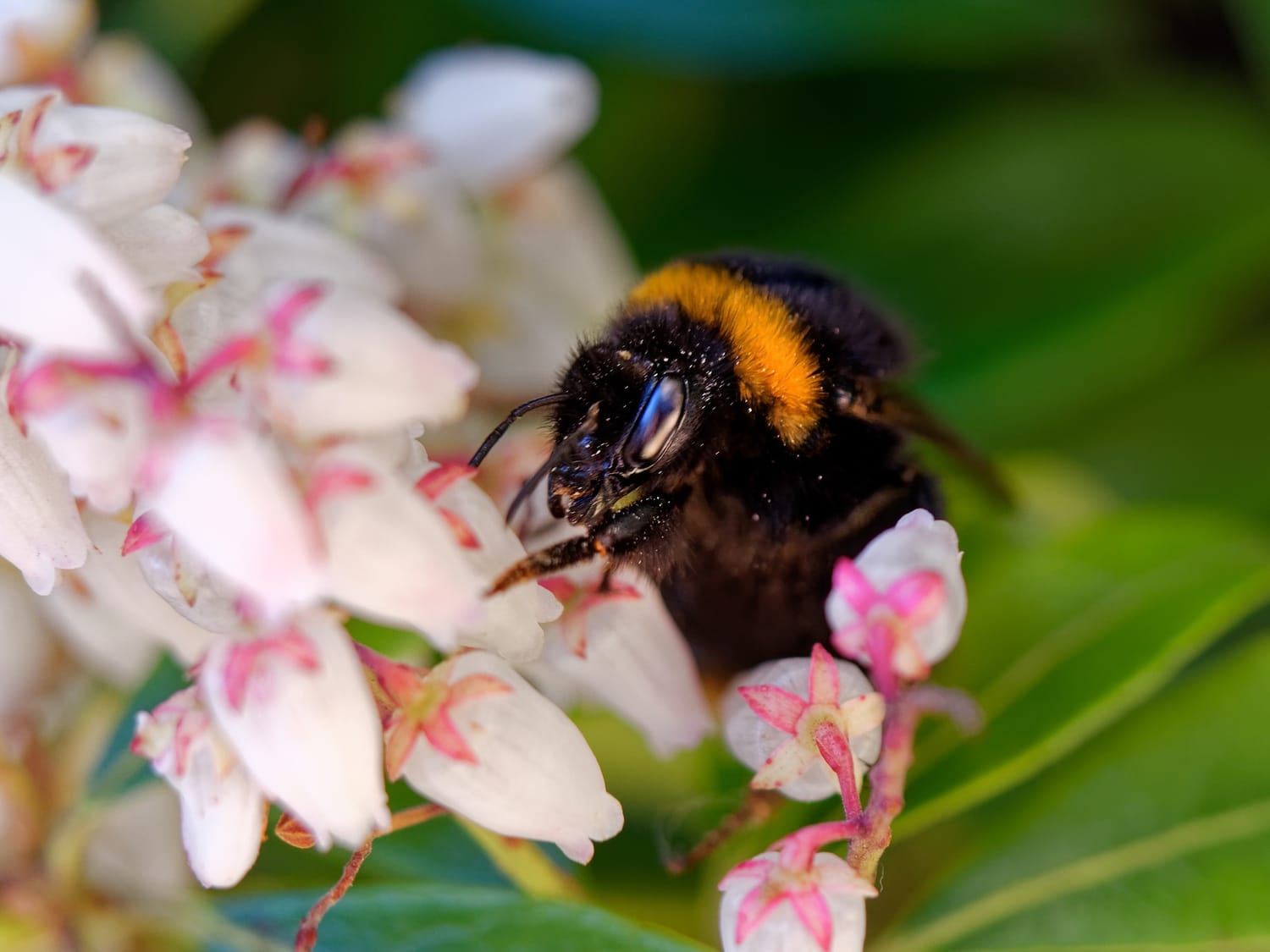
The countryside in May may appear tranquil from a distance, but closer observation reveals a darker side of nature in spring.
Take a hedgerow at dusk. Hawthorn flowers catch the remaining light, their pale blossoms soft against dark branches. Yet inside that living boundary, countless interactions unfold simultaneously. Nestlings call from concealed nests. Predators move silently through the undergrowth. Insects feed and vanish within days. Competition and vulnerability exist side by side.
Intense growth in nature isn't chaos. It's an ecosystem operating at full intensity.
The word “wild” often becomes shorthand for freedom or serenity, but genuine wildness contains friction as much as beauty. It resists neatness. It exceeds containment. And there can be something unsettling in recognising this directly.
Modern ideas about nature frequently frame it as restorative—a place to escape stress, recover balance, or seek calm. While landscapes can certainly offer these experiences, Beltane reveals another truth: the living world isn't organised around human comfort. Its rhythms include pressure, disruption, and excess alongside renewal.
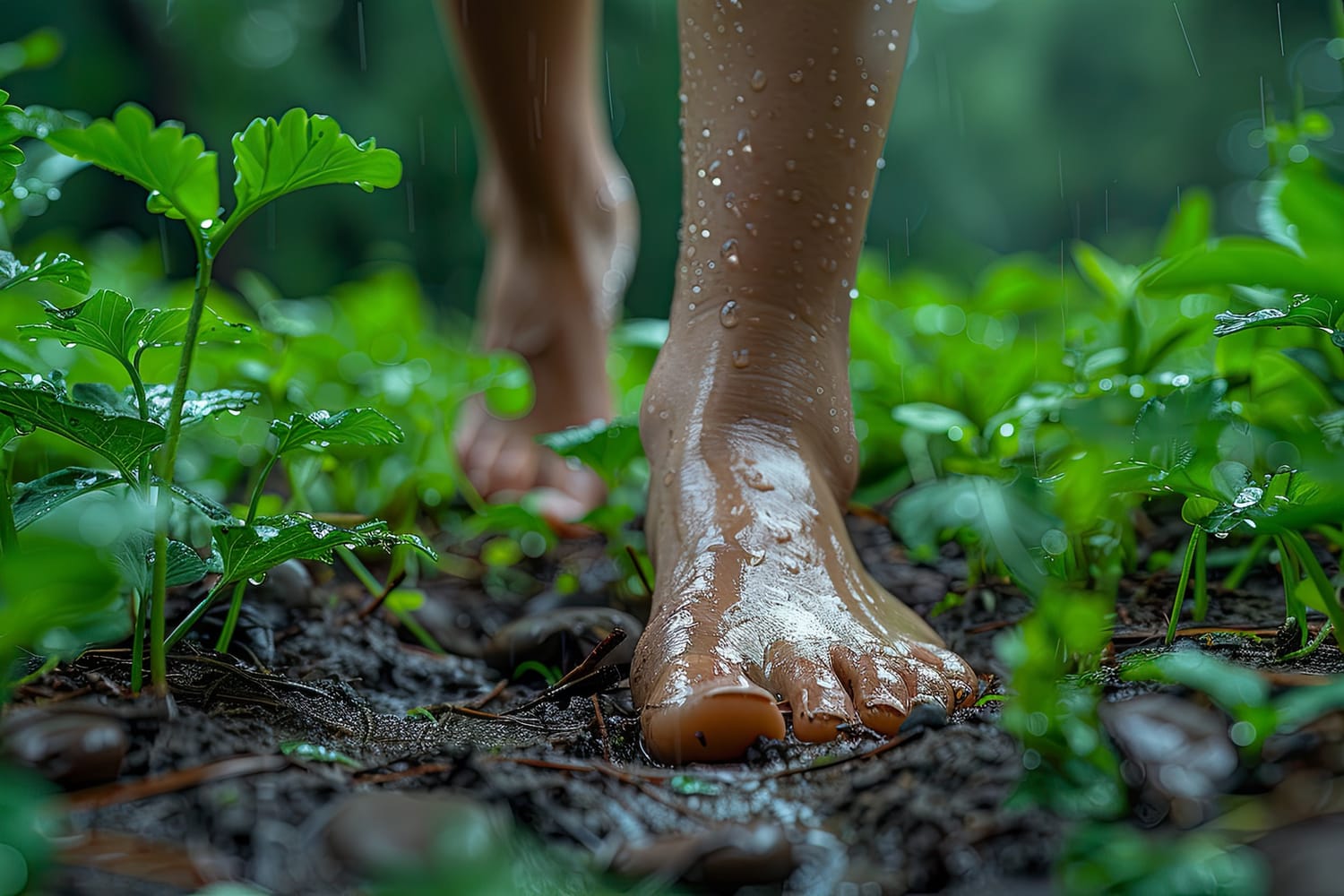
There is a psychological parallel to this season as well, with seasonal shifts in human behaviour.
Many people experience a subtle but noticeable shift during late spring. Energy increases. Sleep patterns alter. Attention becomes more outward-facing, more restless. There can be a desire for movement, change, creation, connection. The body responds to longer light and rising temperatures in ways that aren't always gentle or orderly.
What feels energising one moment may feel overwhelming the next.
Without strong seasonal frameworks, this transition can seem difficult to interpret.
Modern life demands consistency regardless of time of year: fixed schedules, controlled indoor climates, steady productivity. Yet the body remains responsive to environmental change, even when daily life attempts to smooth those changes away.
The intensity associated with Beltane can therefore feel disruptive rather than natural.
Beltane energy and emotional change is not necessarily a sign that something is wrong.
The darker edge of Beltane asks for a different understanding of wildness—not as an aesthetic experience curated for ease, but as participation in a larger rhythm that includes unpredictability. Spring growth is beautiful precisely because it is temporary and unsustainable at its peak. The explosion of green exists within cycles of competition, exhaustion, and eventual decline.
Recognising this deepens the season rather than diminishing it.
The blossom becomes more striking when understood as fleeting. The urgency of birdsong carries greater weight when heard as part of territorial survival. Even personal restlessness can be viewed differently: not as failure or instability, but as responsiveness to the same environmental currents shaping the wider ecosystem.
The darker side of nature in spring does not always feel peaceful. Wildness rarely does.
At its core, Beltane energy challenges the illusion of complete control. It pushes outward against structures that prefer predictability. It introduces movement where there was stillness, intensity where there was restraint. The season invites engagement, but not mastery.
To move fully into this threshold between spring and summer is to accept a certain level of imbalance. There may be overstimulation, heightened emotion, sudden creativity, impatience, or unpredictability. Rather than smoothing these responses away immediately, Beltane suggests observing them as part of a broader pattern of expansion.
In practical terms, this may mean spending time in unmanaged landscapes rather than carefully ordered spaces. Overgrown paths, tangled woodland edges, abandoned fields, places where nature exceeds human shaping—these environments reflect the season more honestly than manicured gardens alone.
They reveal life not as decoration, but as force.
And within that force exists a different kind of beauty. Not the softened beauty of an idealised pastoral scene, but something sharper and more immediate. A beauty rooted in movement, urgency, and transformation.
Beltane is not simply a celebration of life returning. It's an encounter with life in its most active state—surging beyond boundaries, resisting containment, insisting upon change.
To witness this fully is to recognise that the natural world isn't merely scenery for human experience. It's an active system of which we are part: one that nourishes, unsettles, energises, and exceeds us all at once.
That tension is not separate from the season.
It is the season itself.
Warmly, Rowan.
"GREAT NEWS... The 2026 Vale Codex Field Journal is available to download NOW!
The 48-page journal is a friend to carry on your own journey, expanding your mind and illuminating your path.
Tap this link to find out how to get your complimentary PDF copy right now!"
Kind regards, Rowan.