ROWAN VALE
The Solstice Paradox
Longest Day of the Year
Each year, around 21 June, the Summer Solstice arrives. Across the Northern Hemisphere, people gather to celebrate Litha, honouring the longest day and shortest night of the year. It's a time associated with abundance, warmth, growth, and the height of the sun's power.
Yet hidden within this celebration lies a fascinating contradiction.
The Summer Solstice is not only the peak of light; it's also the moment when the light begins to fade. From the day after the solstice, daylight slowly starts to diminish. The wheel of the year turns once more, and the long journey towards autumn and winter quietly begins.
This is the Solstice Paradox: the brightest day of the year also marks the return of darkness.
Understanding the Summer Solstice and Litha
The Summer Solstice has been observed for thousands of years. Ancient communities tracked the movement of the sun across the landscape, marking its position with standing stones, earthworks, and sacred sites.
For many modern pagans, Litha celebrates the sun at its strongest. Fields are green, wildflowers bloom, and nature appears full of vitality. It's easy to view this seasonal festival as a triumph of light over darkness.
Yet nature rarely operates in absolutes.
The solstice isn't an ending but a turning point. The sun reaches its highest point before beginning its gradual descent towards the winter months. The balance has already begun to shift.
The Ancient Wisdom Hidden Within the Solstice
Every Peak Contains the Beginning of Change
The natural world teaches an important lesson: nothing remains at its peak forever.
At midsummer, trees are clothed in their fullest leaves. Meadows are alive with insects and flowers. Birds have raised their young, and the countryside seems rich with life.
But beneath the surface, the first signs of change are already appearing.
Some spring flowers have faded. The earliest berries begin to ripen. The cycle is moving from growth towards harvest.
Ancient peoples understood this reality. Seasonal festivals were not simply celebrations; they were reminders that life moves in cycles. Every beginning contains an ending, and every ending contains the seed of renewal.
The Oak King and Holly King Myth
One of the most enduring pieces of solstice folklore is the tale of the Oak King and the Holly King.
According to modern pagan tradition, the Oak King rules the waxing year, guiding the sun from midwinter to midsummer. At the Summer Solstice, the Holly King assumes control of the waning year, presiding over the gradual shortening of the days.
Whether ancient or modern in origin, the story captures a profound truth about the natural world. Light and darkness are not enemies. Instead, they form a partnership, each giving way to the other in an endless dance.
The Summer Solstice represents that balance.
Finding Meaning in the Solstice Paradox
Celebrating Without Clinging
Modern life often encourages us to pursue endless growth, success, and achievement. We're taught to seek perpetual progress and resist decline.
Nature tells a different story.
The Summer Solstice reminds us that change is inevitable. Seasons shift. Landscapes transform. Life moves through cycles of emergence, flourishing, rest, and renewal.
Rather than fearing these changes, we can learn to honour them.
Standing beneath the midsummer sun becomes more meaningful when we recognise its fleeting nature. The beauty of the season is deepened by the knowledge that it cannot last forever.
Lessons from the Longest Day
The Solstice Paradox offers several timeless lessons:
Appreciate abundance while it is present
Accept that every season eventually changes
Recognise that endings create space for new beginnings
Understand that growth and decline are both natural parts of life
Find beauty in cycles rather than permanence
These lessons remain as relevant today as they were to our ancestors.
A Solstice Reflection for Modern Times
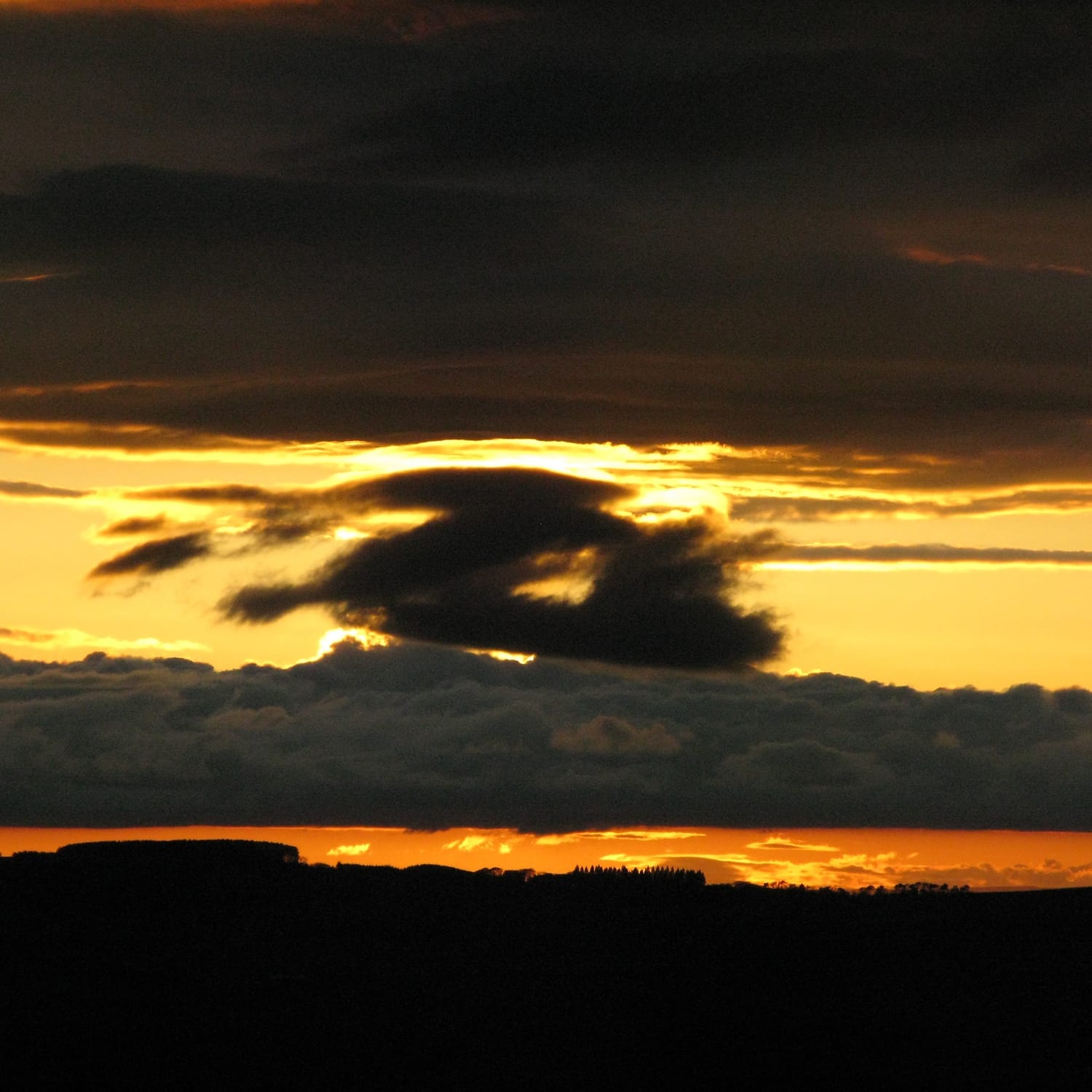
On this evening of the Summer Solstice, take a moment to watch the sun sink below the horizon.
Notice the length of the shadows. Listen to the birds settling for the night. Feel the warmth of the longest day lingering in the air.
Then remember that the wheel is turning once again.
Tomorrow, the daylight will be slightly shorter. The difference will be almost impossible to detect, yet the shift has begun.
This is not a cause for sadness. It is simply the rhythm of the living world.
The true gift of Litha may not be the celebration of endless light. Instead, it's the reminder that every moment is precious because it's temporary. The brightest day of the year teaches us to cherish what we have while we have it, and to trust the wisdom of the seasons as they continue their ancient cycle.
The Summer Solstice stands as one of nature's most beautiful paradoxes: at the very height of light, the journey back towards darkness quietly begins.
Warmly, Rowan.
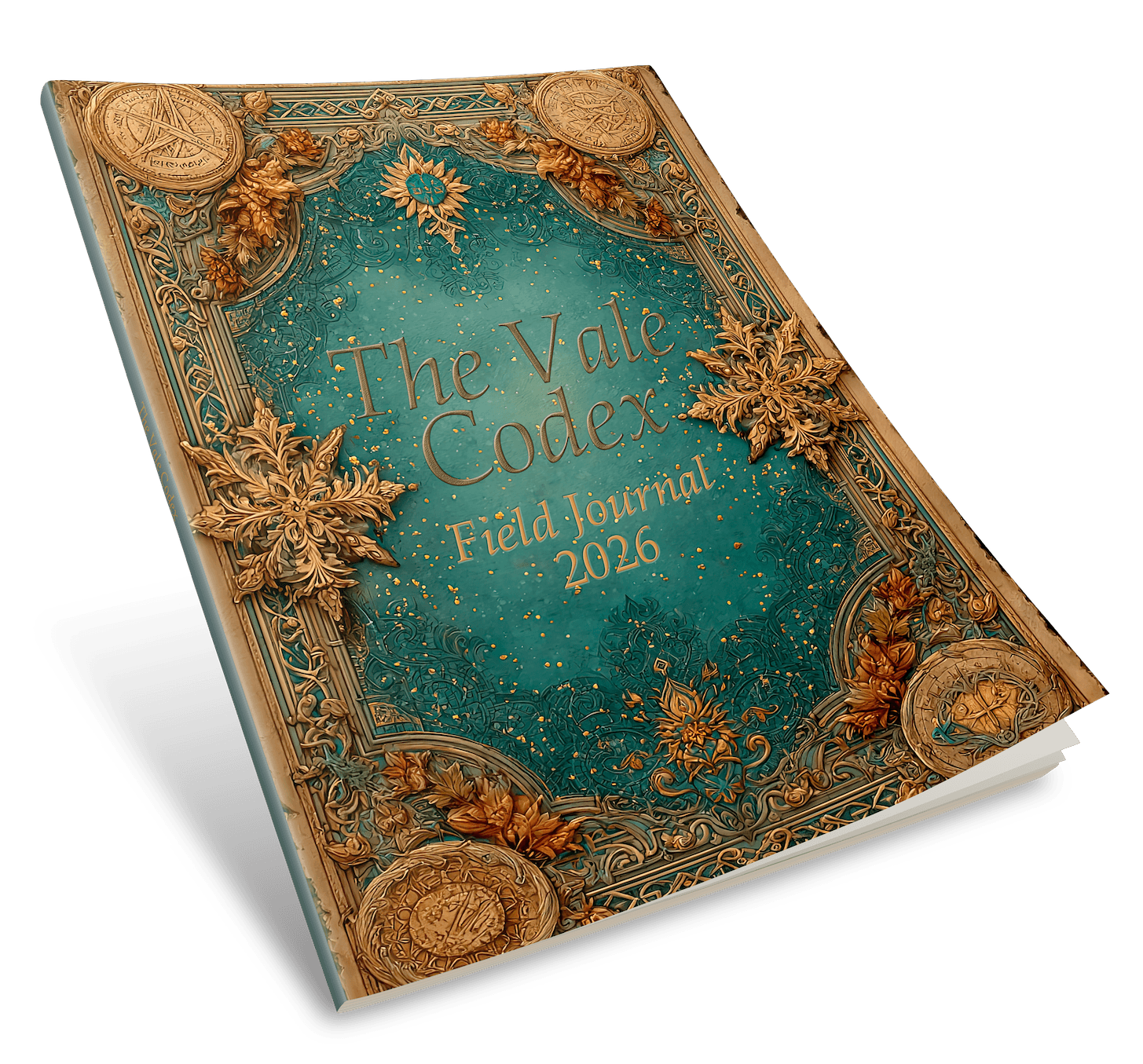
"GREAT NEWS... The 2026 Vale Codex Field Journal is available to download NOW!
The 48-page journal is a friend to carry on your own journey, expanding your mind and illuminating your path.
Tap this link to find out how to get your complimentary PDF copy right now!"
Kind regards, Rowan.