
ROWAN VALE
The Green Pulse of the Land
The Green Pulse of the Land: Signs of Spring and Nature’s Awakening
Every year, as winter loosens its grip, the landscape begins to change in quiet but noticeable ways. The air softens, the ground becomes easier underfoot, and the first signs of green begin to appear along hedgerows, fields, and woodland edges. This gradual transition marks the beginning of what can be thought of as the green pulse of the land—a natural process that signals the arrival of spring and the return of active growth.
Unlike the dramatic bloom of late spring or summer, this early phase is subtle. It doesn’t arrive all at once. Instead, it builds slowly, starting beneath the surface before becoming visible above ground. Understanding this seasonal shift offers a deeper appreciation of how ecosystems work—and how closely tied we still are to the rhythms of the natural world.
What Is the “Green Pulse of the Land”?
The phrase refers to the early stages of spring growth, when plants, trees, and soil systems begin to reactivate after winter dormancy. It’s a combination of biological processes driven by increasing daylight, rising temperatures, and improved soil conditions.
In practical terms, the green pulse includes:
The first appearance of fresh shoots and grasses
Buds swelling on trees before leaves emerge
Increased activity in soil organisms
The return of insects and birds
These changes are part of a broader cycle known as seasonal change in nature, and they play a critical role in supporting biodiversity, agriculture, and local ecosystems.
Early Signs of Spring in the Landscape
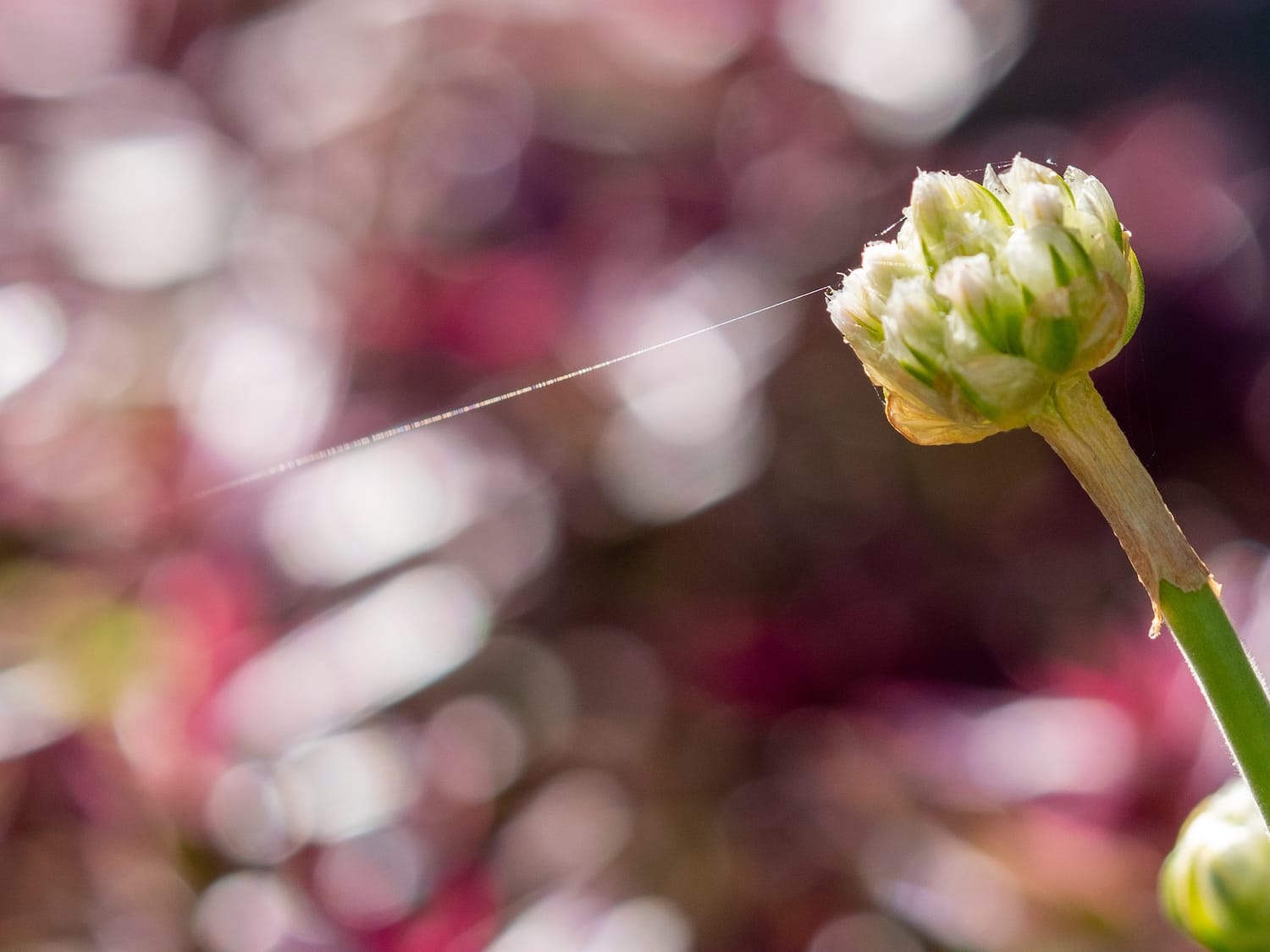
If you’re looking for clear signs of spring in the UK, they often begin in the most overlooked places.
Along footpaths and roadside verges, you’ll notice the first hints of green pushing through. Plants such as nettles, dock, and wild garlic begin to emerge, taking advantage of the available light before larger plants and trees create shade.
In woodlands, the ground layer comes alive first. This is where early growth happens quickly, making use of a short window before the canopy fills in. These plants are adapted to move fast—growing, flowering, and sometimes fading before late spring fully arrives.
Grasslands also begin to shift. What looked dull and lifeless through winter starts to regain colour as new blades push through older growth.
These small changes are reliable indicators of early spring growth and can be observed even during a short walk outdoors.
How Trees Respond to Seasonal Change
Trees offer one of the clearest examples of the green pulse in action.
As daylight hours increase, internal processes within trees begin to shift. Stored energy—mainly sugars held in the roots during winter—starts to move upward through the trunk. This movement, often referred to as sap flow, supports the development of buds and eventually leaves.
Before leaves appear, you may notice:
Buds becoming larger and more defined
Branch tips changing colour slightly
A general softening in the appearance of the tree canopy
This stage is essential for spring plant growth, as it prepares the tree for photosynthesis and sustained development in the months ahead.
Different species respond at different rates, which is why some trees come into leaf earlier than others. This staggered timing helps maintain balance within ecosystems, ensuring that resources such as light and nutrients are used efficiently.
Soil Activity and the Hidden Work of Spring
While much of the focus is on what we can see, the most important activity during early spring happens underground.
As temperatures rise, soil begins to support increased biological activity. Microorganisms—such as bacteria and fungi—become more active, breaking down organic matter and releasing nutrients that plants rely on.
At the same time, underground networks of fungi connect plant roots, helping distribute water and nutrients across different areas. This interconnected system plays a key role in maintaining healthy ecosystems and supporting new growth.
For gardeners and growers, this period is especially important. It marks the point when soil becomes workable again and suitable for planting, making it a critical stage in the seasonal gardening cycle.

Wildlife and Seasonal Behaviour Changes
The green pulse also affects animal life.
As plants begin to grow, they provide food and shelter for insects, which in turn support birds and other wildlife. This leads to noticeable changes in behaviour across many species.
Common spring wildlife changes in the UK include:
Increased birdsong, especially in the early morning
The return of pollinators such as bees
More visible activity from small mammals
Nest-building and breeding behaviours
These shifts are closely linked to plant growth. As food sources become available, animal populations respond quickly, creating a chain reaction across the ecosystem.
Why Seasonal Awareness Still Matters
In modern life, it’s easy to overlook these gradual changes. Many people experience the seasons more through calendars than direct observation. However, paying attention to natural cycles can have practical and personal benefits.
From a practical perspective, understanding seasonal changes in nature helps with:
Gardening and food growing
Wildlife observation and conservation
Outdoor planning and activities
On a personal level, noticing these shifts can help reconnect daily routines with the natural environment. Even simple observations—like tracking when trees begin to bud or when grass starts to grow—can build a clearer sense of time and place.
Simple Ways to Notice the Green Pulse
You don’t need specialist knowledge to observe early spring changes. A few simple habits can make a difference:
Walk the same route regularly and look for small changes
Choose a specific tree or plant to observe over several weeks
Pay attention to sounds, especially birds and insects
Notice how the ground feels underfoot after rain or frost
These observations build a clearer picture of nature’s seasonal rhythms and make it easier to recognise patterns year after year.
From Early Growth to Full Spring
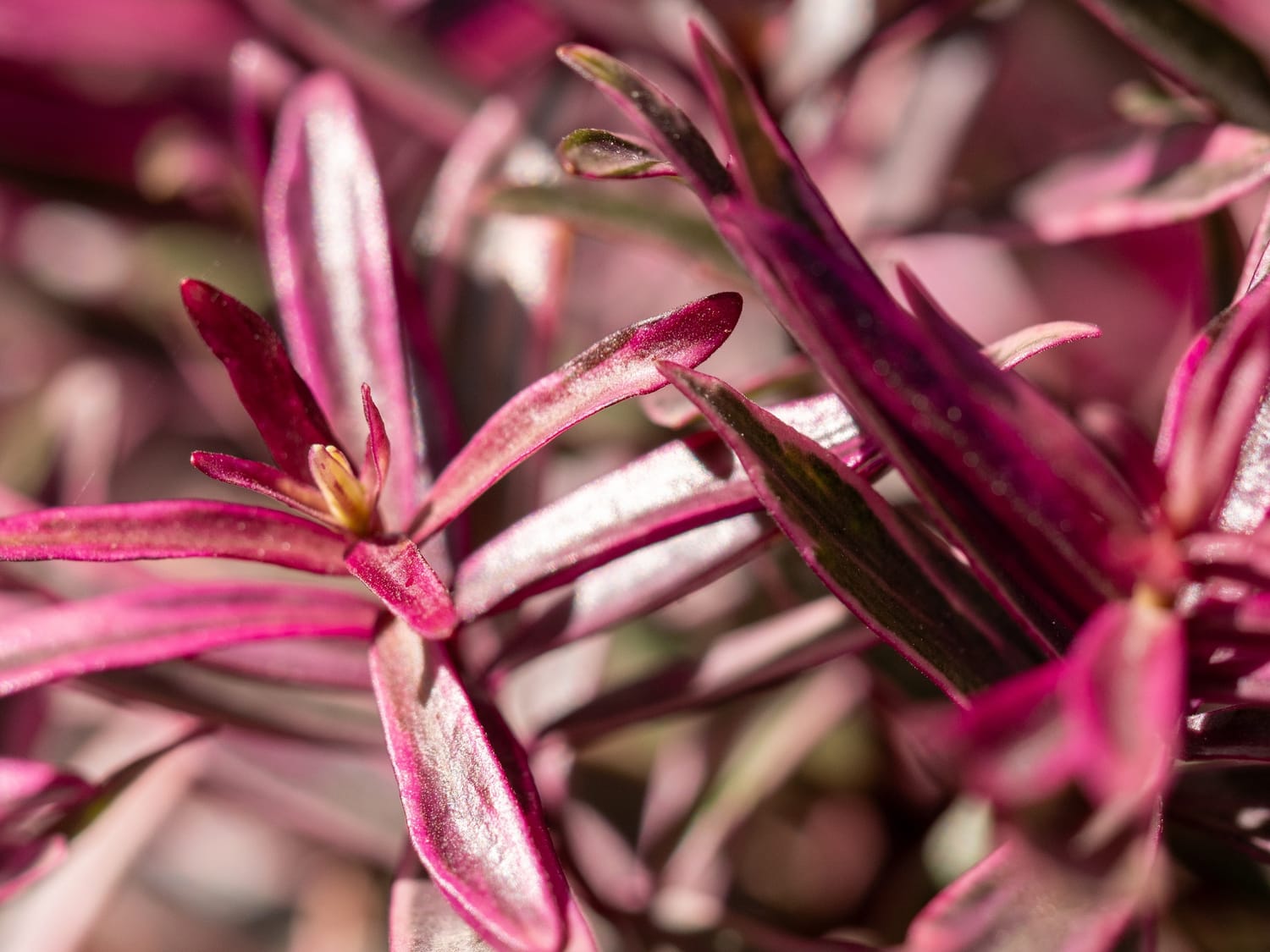
As spring progresses, the early signs of the green pulse develop into more visible and sustained growth. Trees come fully into leaf, grass thickens, and flowering plants begin to dominate the landscape.
What starts as a subtle shift becomes a more obvious transformation. However, the early phase remains the most important—it sets everything else in motion.
Without this initial period of reactivation, the abundance of late spring and summer wouldn’t be possible.
A Reliable Rhythm in a Changing World
One of the most consistent aspects of the natural world is its cycle of renewal. Despite variations in weather from year to year, the general pattern remains the same: a period of rest followed by gradual reactivation and growth.
The green pulse of the land is part of this larger cycle. It represents the point where conditions become suitable for life to expand again, driven by light, temperature, and biological processes that have been in place for thousands of years.
Recognising this rhythm doesn’t require special effort—just attention.
Whether you’re walking through the countryside, tending a garden, or simply noticing the first signs of green in an urban space, you’re witnessing a key stage in the annual cycle of life.
Final Thoughts
The arrival of spring is often associated with colour, warmth, and visible growth. But before all of that comes a quieter phase—one that happens steadily, just out of immediate view.
The green pulse of the land is that phase.
It’s the moment when the natural world begins to shift from dormancy to activity, when soil, plants, and wildlife start to respond to changing conditions. By learning to recognise these early signs of spring, you gain a deeper understanding of how nature works—and a stronger connection to the environment around you.
It’s not dramatic, and it doesn’t need to be.
It’s simply the land, doing what it has always done—starting again.
"GREAT NEWS... The 2026 Vale Codex Field Journal is available to download NOW!
The 48-page journal is a friend to carry on your own journey, expanding your mind and illuminating your path.
Tap this link to find out how to get your complimentary PDF copy right now!"
Kind regards, Rowan.