
ROWAN VALE
The Beltane Fires That Were Never Lit
A Forgotten Side of Beltane
Early May carries its own kind of brightness. The hedgerows begin to loosen into green, damp earth warms beneath returning light, and evenings stretch almost imperceptibly longer with each day. In older seasonal calendars, this was the threshold of Beltane: the movement from spring’s uncertainty into the fuller vitality of summer.
The imagery most often associated with Beltane is unmistakable. Hilltop fires. Smoke drifting across fields. Communities gathering at dusk while livestock were guided between twin flames for blessing and protection. Fire appears in these traditions as something constant—an annual act of return that united generations through repetition.
Yet seasonal rituals were never as constant as memory imagines.
There were years when the fires were never lit.
In many parts of the British Isles, Beltane customs depended on circumstances that could easily fracture. A season of scarcity might leave little wood to spare.
Storms and heavy rain could extinguish preparations before they began. Disease, famine, displacement, or conflict could pull communities apart long enough for local traditions to fade into silence. Later centuries brought other pressures: religious condemnation, changing social structures, and the gradual reshaping of rural life.
And so there were springs in which May arrived quietly. Hawthorn still flowered in the hedges, livestock stirred toward pasture, dusk settled over familiar hills—but no communal flame answered the turning of the season.
What remains striking is not only the loss of ritual, but the atmosphere these absences created. What did that absence feel like?
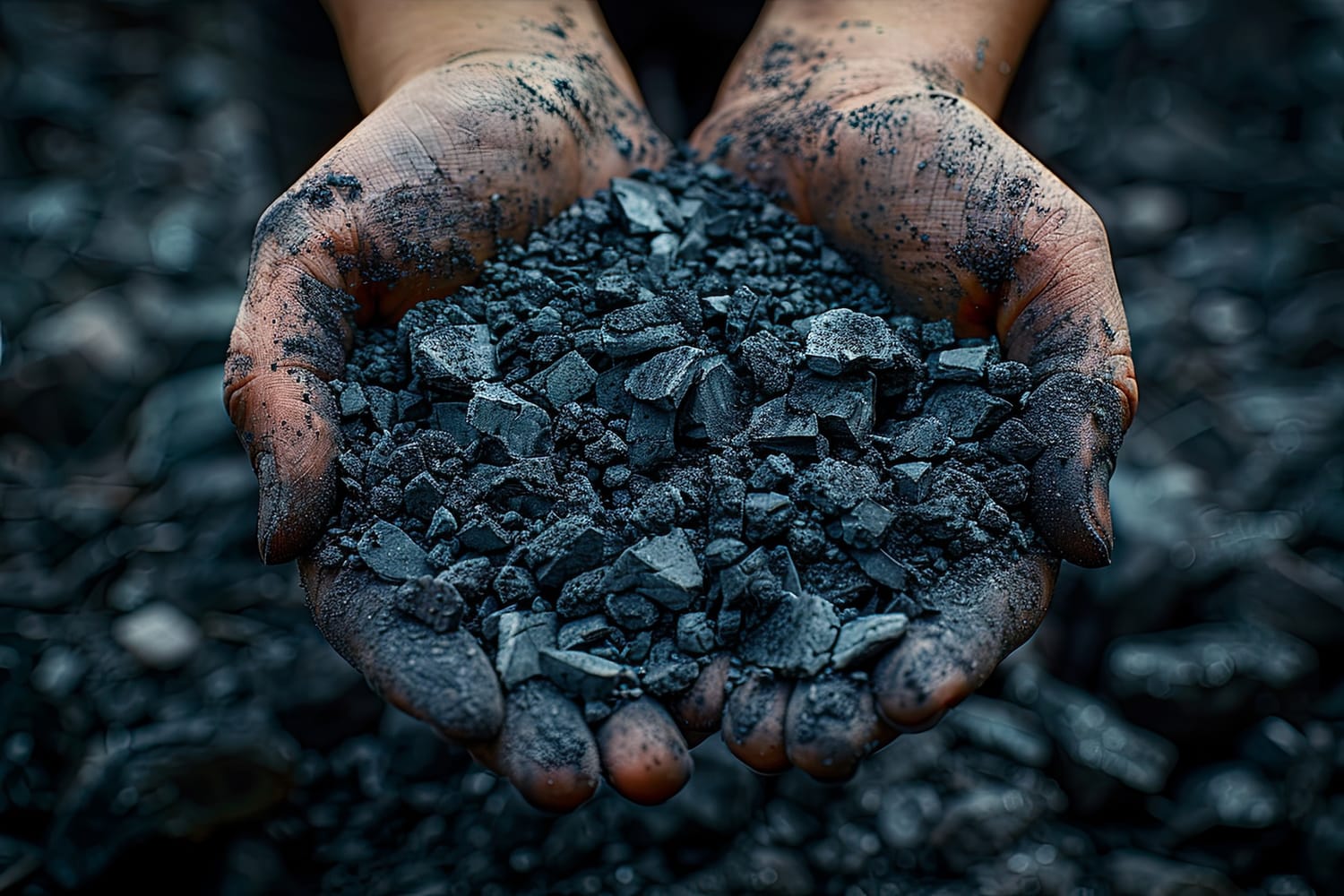
Fire has always carried meaning beyond practicality. It is warmth, visibility, continuity. To gather around flame is to affirm presence: we're here, together, and the cycle continues. When those fires failed to appear, the absence itself became part of the seasonal experience—a subtle interruption in the expected rhythm of the year.
Historical traditions were rarely static. In some places, practices adapted rather than disappeared. Smaller fires were lit discreetly at home instead of publicly on hillsides. Blessings survived in spoken form when visible rituals became risky.
Smoke, candlelight, or simple acts of seasonal observance replaced larger communal ceremonies. And occasionally, nothing replaced them at all. The season turned onward in silence, marked only by changing weather and the slow brightening of the land.
This quieter Beltane offers a compelling mirror to modern life.
Contemporary ideas about seasonal living often emphasise momentum and expansion. Spring becomes associated with productivity, motivation, and outward growth. Beltane, within this framework, is imagined as a moment of energetic arrival: vitality returning in full force after winter’s restraint.
But human experience rarely unfolds with such consistency.
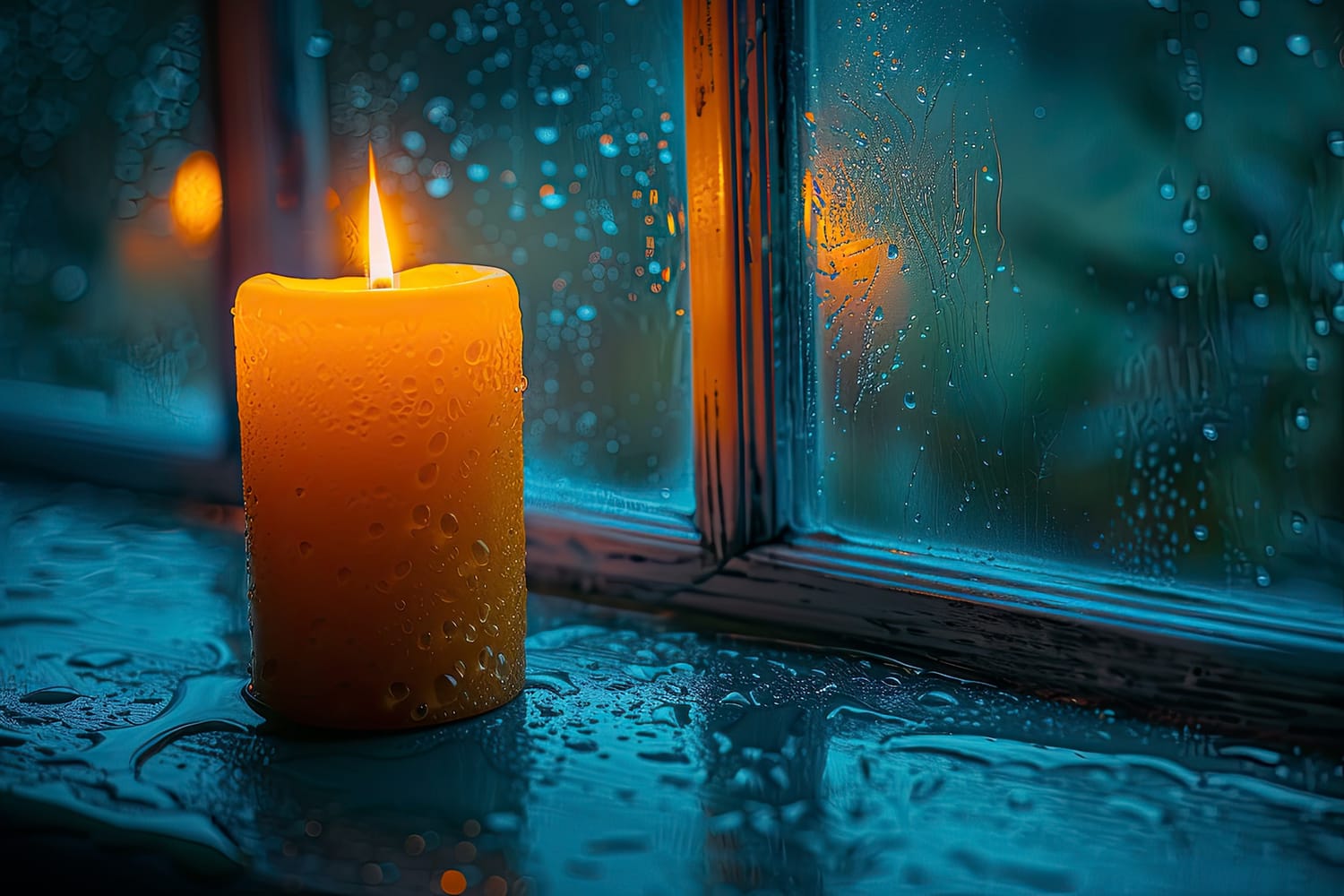
There are years when energy rises slowly. Periods when inspiration feels distant, when the expected sense of renewal never fully ignites. Not every threshold is crossed with visible intensity. Sometimes the season changes long before the inner landscape catches up to it.
The image of the “unlit fire” becomes meaningful here. A fire that remains unlit is not necessarily extinguished. It may simply exist in potential rather than expression. Energy can remain present in quieter forms—subtle, latent, waiting for different conditions.
The natural world reflects this pacing more accurately than modern culture often allows. In ecological cycles, not every landscape burns each year. Some ecosystems depend on long intervals of stillness between periods of intensity. Continuous burning can exhaust the land as surely as neglect can.
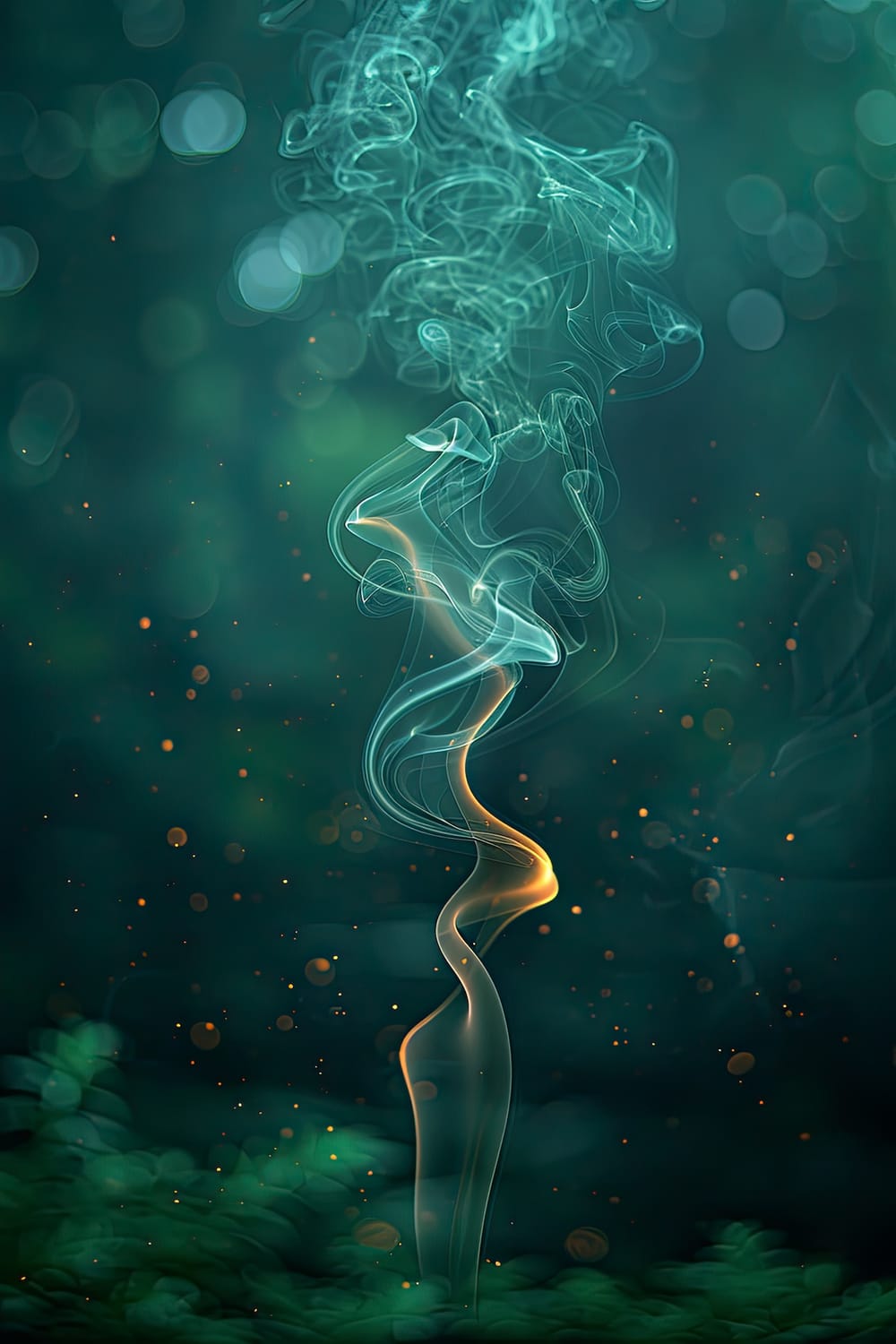
There is a similar wisdom in recognising slower rhythms within ourselves.
Rather than forcing momentum where none naturally emerges, there can be value in tending smaller forms of warmth. The ember rather than the blaze. Attention rather than performance.
In practice, this may look ordinary: opening windows to the softer evening air, noticing the first scent of blossom after rain, preparing seasonal foods, walking later into dusk, or allowing rest without immediately treating it as failure or stagnation. These gestures don't replace the symbolic fire of Beltane. They express it differently.
The years in which Beltane fires disappeared also reveal something important about tradition itself. Rituals endure not because they remain unchanged, but because they adapt to interruption. They contract and expand alongside the people who carry them. A missed ceremony doesn't erase the cycle. It becomes part of the cycle’s texture.
Seen this way, the fires that were never lit are not historical voids. They're pauses within continuity. Quiet intervals between visible expressions of collective energy.
There's reassurance in that perspective.
To arrive at May without feeling transformed doesn't place someone outside the rhythm of the season. Growth is often less dramatic than expectation suggests. Beneath the surface, processes continue unseen: roots deepen, soil warms, daylight extends itself gradually across the landscape.
The same may be true inwardly.
Even without visible flame, something is still gathering warmth. The season continues its slow turning. And somewhere beneath exhaustion, uncertainty, or quietness, the ember remains.
Kind regards, Rowan.
"GREAT NEWS... The 2026 Vale Codex Field Journal is available to download NOW!
The 48-page journal is a friend to carry on your own journey, expanding your mind and illuminating your path.
Tap this link to find out how to get your complimentary PDF copy right now!"
Kind regards, Rowan.