ROWAN VALE
A Hilltop Hidden in History: St Andrew’s Church & the Hopper Mausoleum
A Church and Mausoleum on Greymare Hill
There are places that sit so quietly in the landscape that you can live close by for years without ever crossing their threshold. For me, that place was Greymare Hill in Northumberland — a spot I've passed countless times, yet only recently made the journey early in the year to explore properly. What I found there was well worth the trip: two remarkable structures, utterly different in character, standing side by side as guardians of the area's long and sometimes turbulent past.
St Andrew’s Church on Greymare Hill
Perched 293 metres (almost 1,000 feet) above sea level, St Andrew's Church commands sweeping views across the Northumbrian countryside, its silhouette visible from the A68 to travellers who glance up towards the hilltop. It's a modest, unassuming building — plain stone walls with none of the ornamentation you might expect of a landmark so exposed — yet there's real charm in its simplicity.
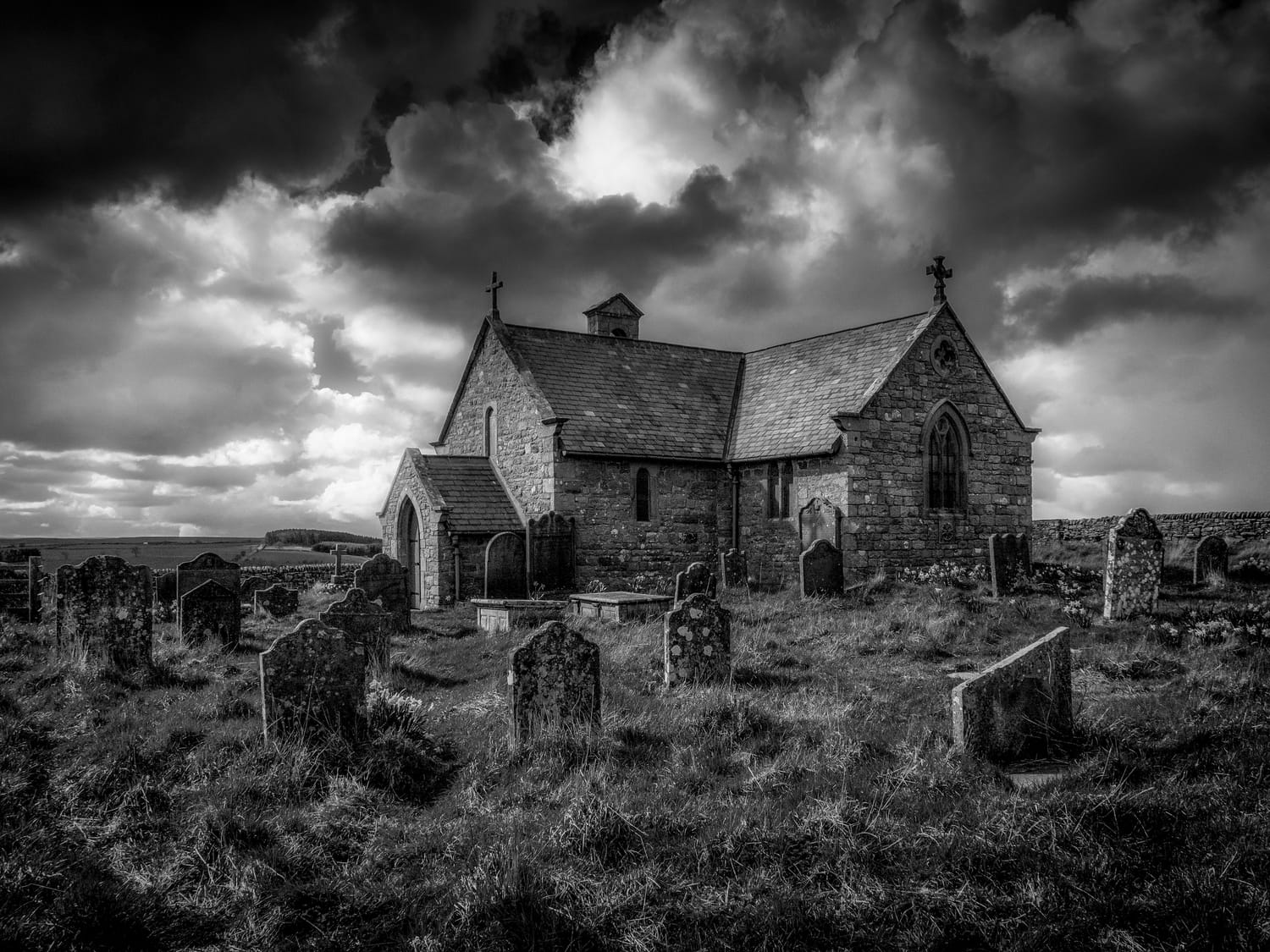
My random visit coincided with the weather closing in, storm clouds rolling from the west as I arrived. Typical of this locale, and my rubbish planning. So, little time to linger. Approaching the site itself is like stepping back in time: a shallow ditch by the road crossed by a small wooden bridge, through an ancient gate in the dry stone wall and then a narrow path winding up towards the church. With every step, the building's medieval bones become clearer — construction dating back to the 13th century, weathered by centuries of Northumbrian winters.
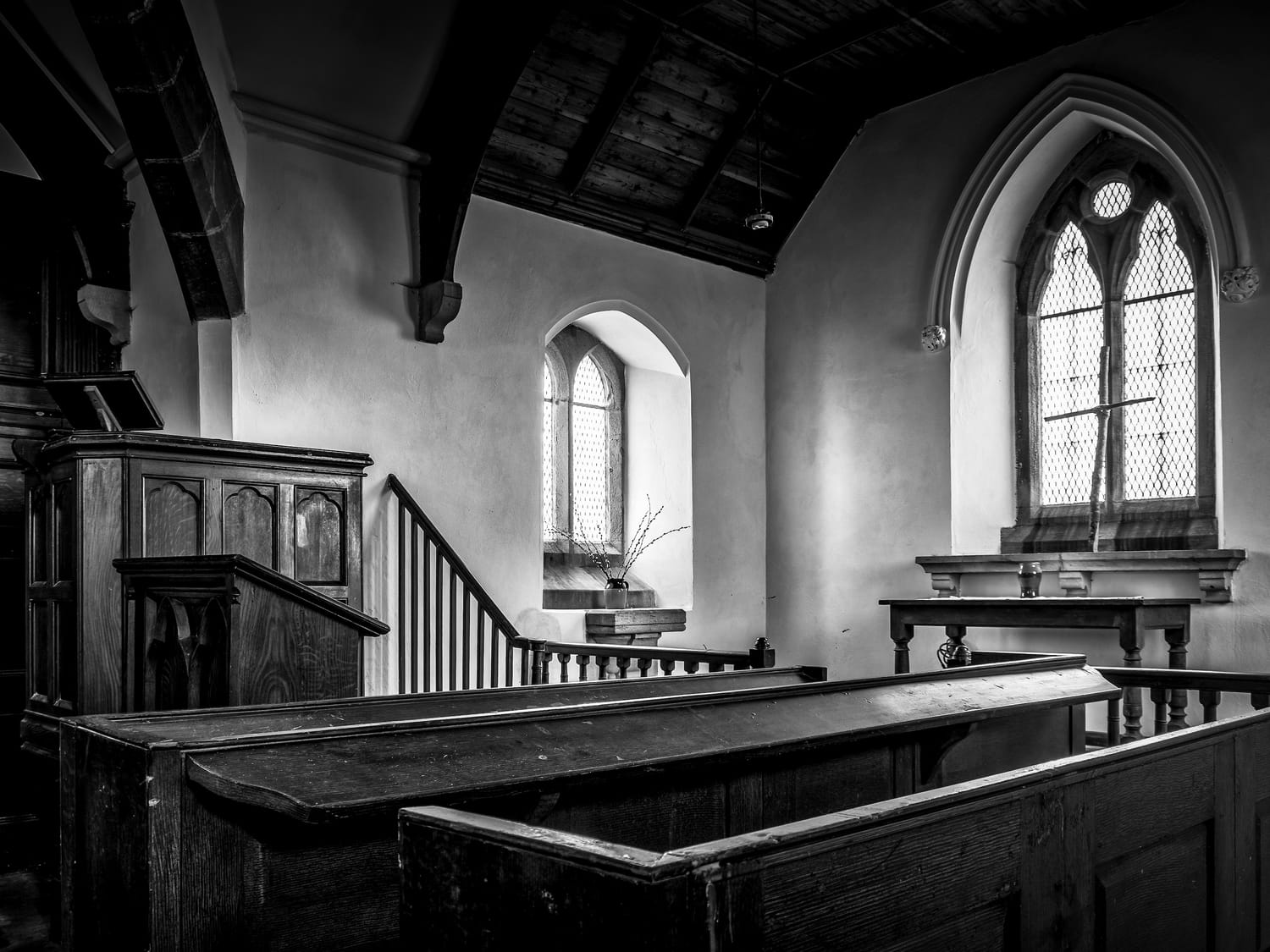
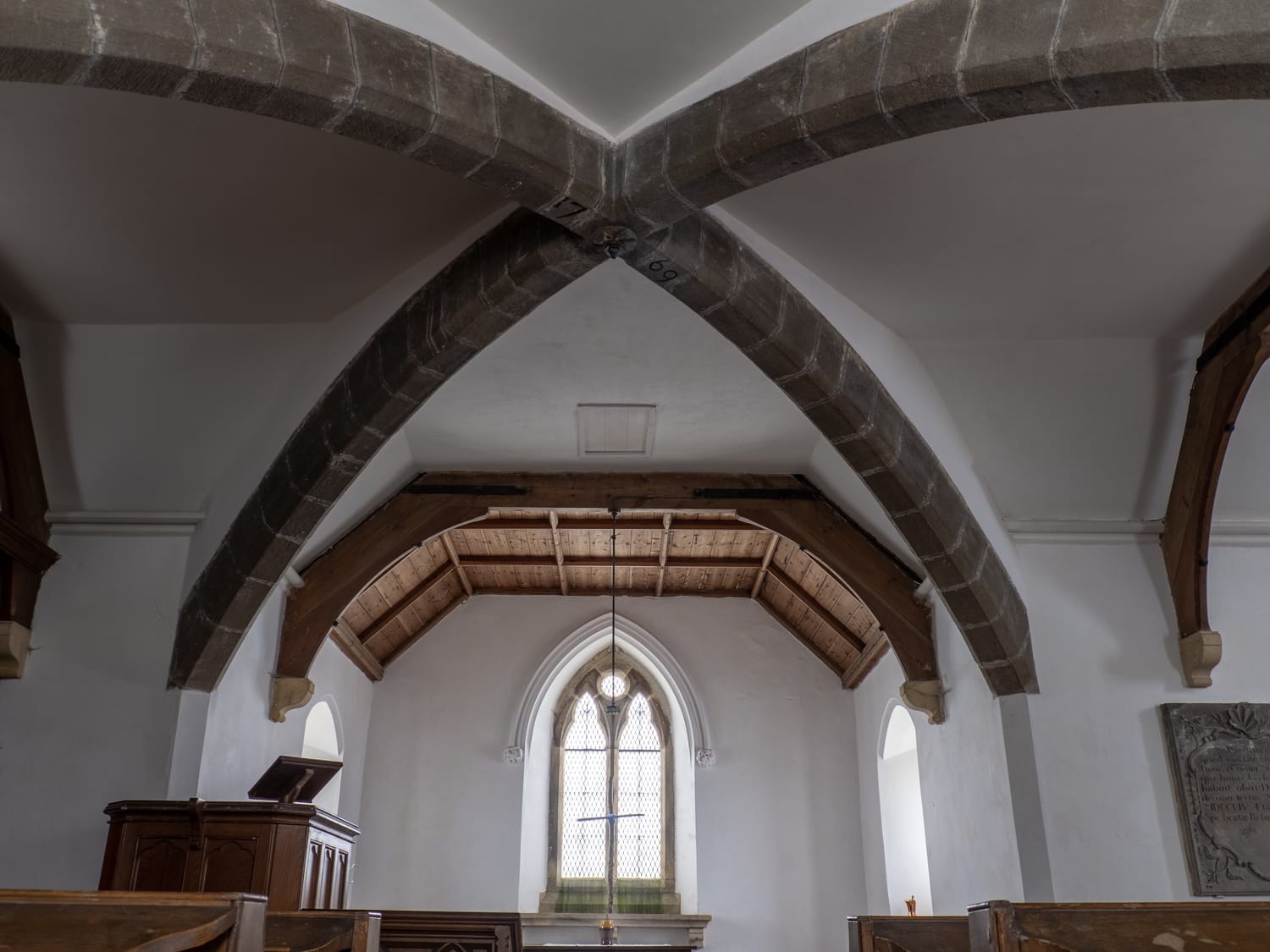
Inside, the atmosphere shifts entirely. The interior is sparse and unadorned, but that very simplicity lends the space a deep sense of calm — I spent around an hour alone in there, taking photographs and making notes, and the stillness invites quiet reflection rather than admiration of grandeur that might be the case in more ornate places of worship. Over the centuries, St.Andrew's has been repaired and rebuilt time and again, and that patchwork history is written into its very stones, each era leaving its own quiet mark on the fabric of the building.
Faith, Family and Memory in Northumberland
Just a few steps away, sharing the same churchyard, stands a structure of an entirely different temperament. Where St Andrew's whispers, the Hopper Mausoleum announces itself.
Built in 1752 by Humphrey Hopper of Black Hedley as the final resting place for his wife, Jane, the mausoleum is a striking example of Gothic Revival design — all pointed arches, intricate stonework, and a spire that reaches dramatically skyward.
Set against the wild backdrop of the surrounding hills, the contrast between the two buildings is almost theatrical: the humble medieval church beside the ornate memorial to a beloved wife, both shaped by the same windswept hilltop, yet telling very different stories about the people who built them.
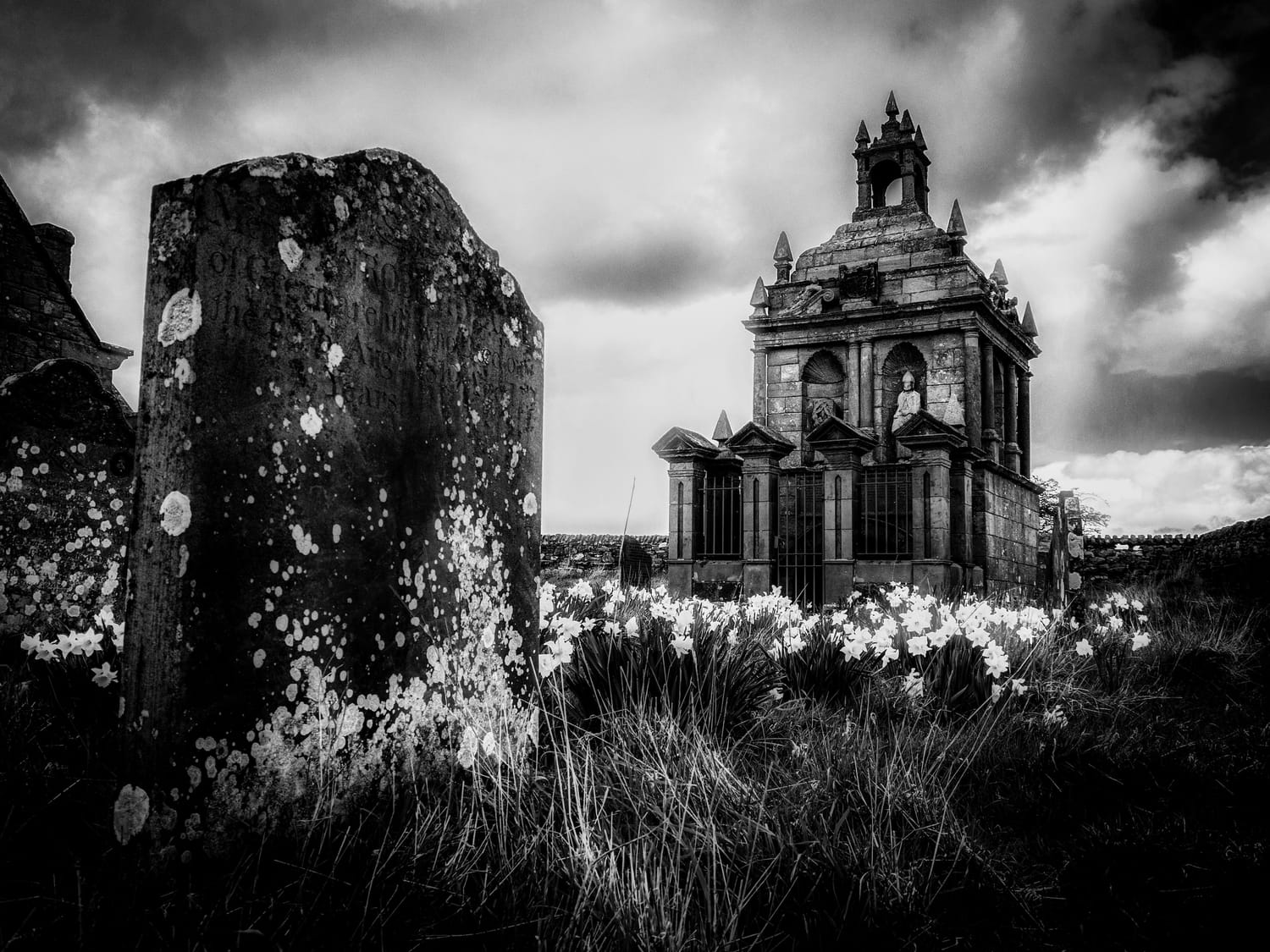
St Andrew's Church and the Hopper Mausoleum may be modest in scale, but together they offer a genuinely powerful window into the history of this corner of Northumberland — one shaped by faith, memory, and the enduring pull of the landscape itself. It's the kind of place that rewards a slow, attentive visit, and one I already know I'll be returning to, storms permitting.
Kind regards,
Rowan.
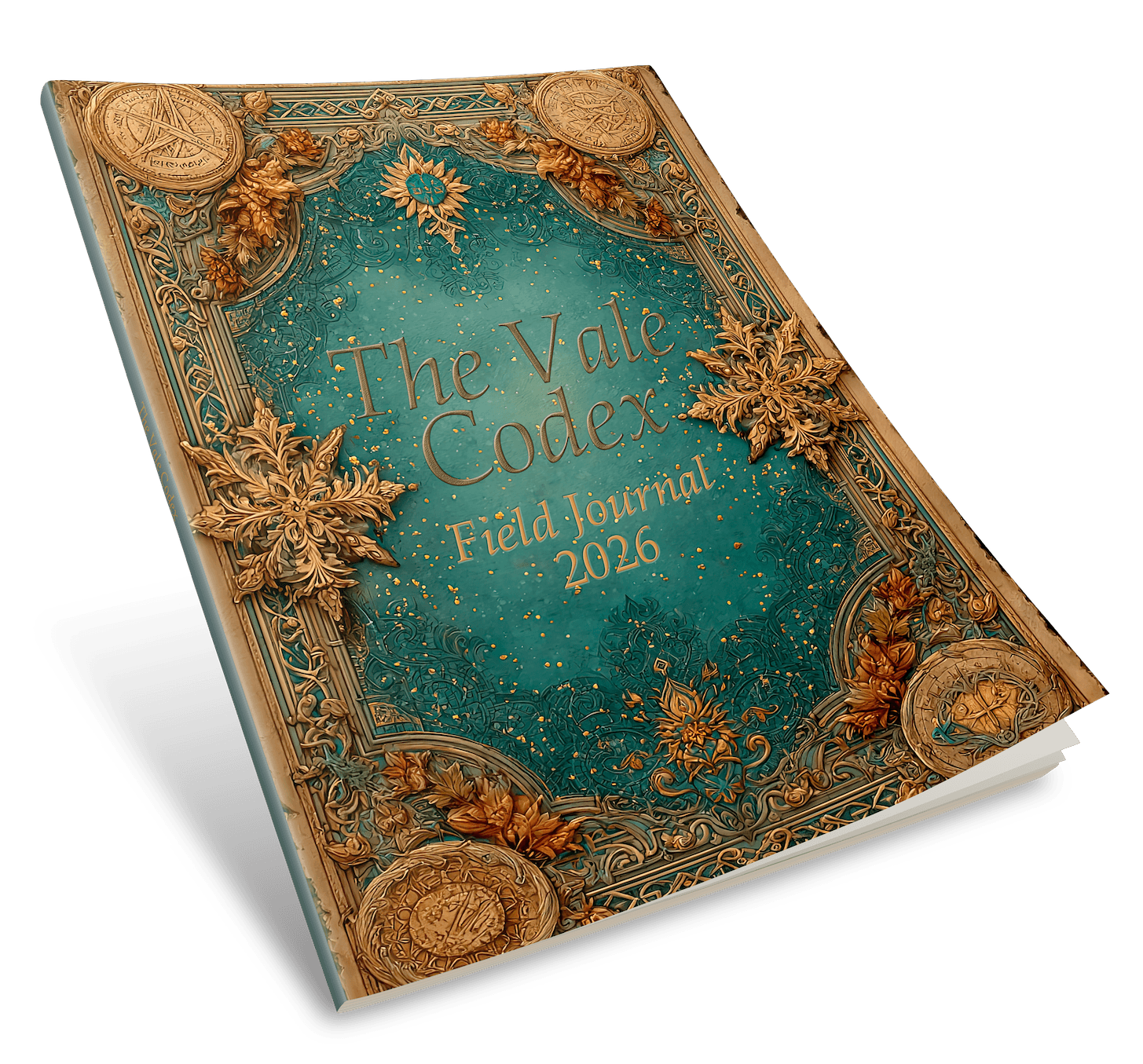
"GREAT NEWS... The 2026 Vale Codex Field Journal is available to download NOW!
The 48-page journal is a friend to carry on your own journey, expanding your mind and illuminating your path.
Tap this link to find out how to get your complimentary PDF copy right now!"
Kind regards, Rowan.