ROWAN VALE
Ostara and the Hare - A Symbol of Spring
Ostara and the Hare: A Symbol of Spring
Each year, around 20 or 21 March, something subtle but important happens. Day and night become almost exactly the same length. Winter loosens its grip, the light begins to stretch a little further each evening, and the first real signs of spring start to appear. This moment in the calendar is the spring equinox, and in modern Pagan traditions it is often celebrated as Ostara.
Ostara marks a turning point in the natural year. The dark months are ending and the brighter half of the year begins. Trees start to bud, birds become more active, and the countryside slowly comes back to life after winter. For people who follow nature-based traditions, this time of balance is a chance to recognise the shift from rest and reflection toward growth and new beginnings.
The Meaning of the Spring Equinox
The equinox is an astronomical event. It happens when the Earth’s tilt means the sun sits directly above the equator, giving both hemispheres roughly equal daylight and darkness. For ancient farming communities this moment mattered because it signalled that the land was warming again. Soon fields could be planted and livestock would begin producing young.
In spiritual terms, the equinox represents balance. Light and dark stand on equal footing before the days grow steadily longer. Many people see it as a reminder that life moves in cycles. Quiet winter months are followed by busier, more active seasons.
The name “Ostara” is often connected to a figure mentioned by the 8th-century English monk Bede. In his writings he described a spring month named after a goddess called Ēostre. While historians debate how widely she was worshipped, the idea of a spring festival tied to returning light clearly existed in early northern European traditions.
Today, many modern Pagans and nature-focused spiritual paths use the name Ostara for their equinox celebrations, and one of the most interesting animals linked with this season is the hare.
Why the Hare Became a Spring Symbol
If you spend time in the countryside during early spring, there is a good chance you will see hares. March is their breeding season, and they become much more visible in open fields.
Unlike rabbits, which live in burrows and often gather in groups, hares are solitary animals that prefer wide landscapes such as farmland, grasslands, and moor edges. They are fast, powerful runners with long ears and long hind legs, built for sudden bursts of speed.
In spring they often appear to chase or “box” with one another. This behaviour gave rise to the saying “mad as a March hare.” For people in earlier times, seeing these energetic displays across the fields was a clear sign that winter had ended and the season of life and reproduction had begun.
Because of this strong connection with fertility and new life, the hare naturally became a symbol of spring.
Folklore and Superstition About Hares
Hares also appear frequently in British and European folklore. They were often seen as mysterious animals, partly because they live above ground and appear suddenly in open spaces, then vanish just as quickly.
In parts of Ireland and Scotland there were long-standing beliefs that witches could transform themselves into hares. According to some stories, harming a hare might mean harming a person who had taken animal form. These tales probably say more about how unusual and elusive hares seemed than about any real fear of magic.
Hares were also linked with the moon in some traditions. Their active behaviour during twilight and nighttime made people associate them with lunar cycles. In certain cultures people even claimed they could see the shape of a hare in the markings on the moon’s surface.
Whether or not these stories were taken literally, they show that hares captured the imagination of people who lived closely with the land.
The Hare and the Easter Bunny
The familiar Easter Bunny actually has roots in older European folklore. In Germany there was once a story about an egg-laying hare called the Osterhase. According to tradition, this hare would leave coloured eggs for children who had behaved well.
German settlers brought this custom to America in the 1700s, where it gradually developed into the modern Easter Bunny tradition.
Eggs themselves have been symbols of new life for thousands of years. They represent potential and birth, making them a natural fit for spring festivals. When the hare and the egg appear together, the meaning is clear: the return of life after winter.
The Curious Symbol of the Three Hares
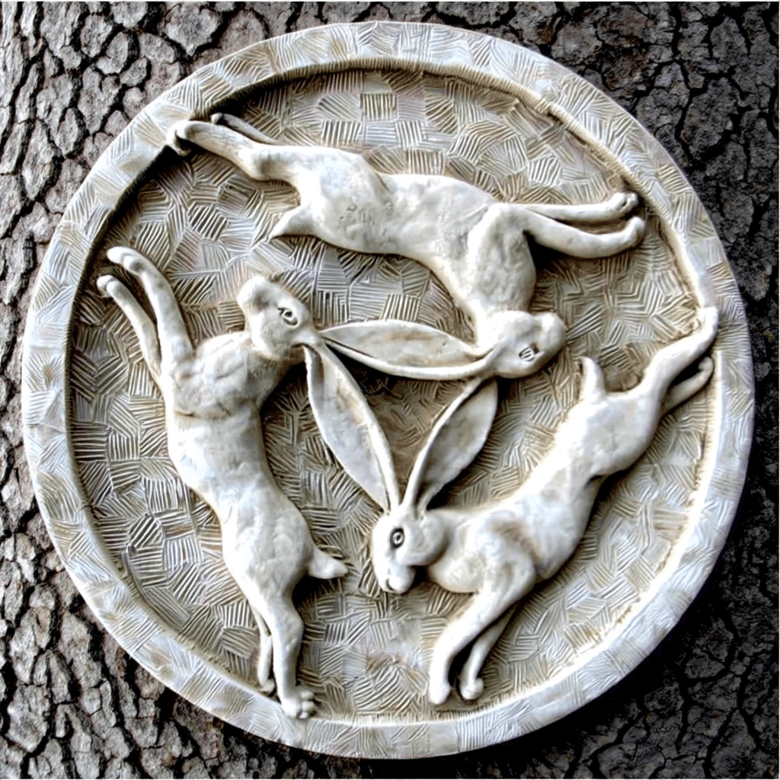
One unusual image sometimes connected with hares is the “three hares” design. It shows three animals chasing each other in a circle, sharing their ears so that only three ears are visible even though there are three hares.
This pattern appears in several places around the world, including medieval church carvings in Devon in southwest England. Historians believe the symbol may have travelled along ancient trade routes linking Europe and Asia.
No one is completely certain what the design originally meant. Some people see it as a symbol of cycles, movement, and connection. Others think it may simply have been an artistic pattern that people found appealing.
Whatever its origin, the image fits well with the idea of the turning seasons.
A Season of Fresh Starts
At its heart, Ostara is about beginnings. It sits between the stillness of winter and the energy of the coming summer months. Seeds are planted, both literally and figuratively.
In nature the changes are gradual. Early flowers such as crocuses and daffodils push through the soil. Birds begin nesting. Trees slowly gather green leaves again. Everything builds step by step.
For many people who follow seasonal traditions, this is a time to think about personal plans for the year ahead. The balanced moment of the equinox can be a good opportunity to pause, reflect, and decide what you want to grow or develop over the coming months.
Simple Ways to Mark Ostara
Celebrating Ostara does not have to involve complex rituals. Many people prefer simple activities that connect them with the season.
One easy way to mark the equinox is to spend time outdoors noticing the signs of spring. A walk through a park, woodland, or countryside path can reveal the small changes that show winter is ending.
You might also:
Plant seeds in a garden or a small pot on a windowsill
Decorate eggs as symbols of new life
Light two candles to represent the balance of day and night
Start a journal page about plans or goals for the months ahead
These small acts can help mark the seasonal shift in a meaningful but relaxed way.
The Hare in Today’s Seasonal Traditions.
Although modern life often keeps people indoors and busy, seasonal festivals like Ostara remind us that the natural world still follows its ancient rhythms. The hare remains one of the clearest signs of that connection.
Seeing a hare crossing a field in early spring can feel like a small piece of folklore coming to life. It is a reminder that the land is active again, that winter has truly passed, and that another cycle of growth has begun.
For those who follow the Wheel of the Year, the hare has become a symbol of the energy and movement returning to the landscape. It represents vitality, renewal, and the simple fact that life continues to reappear every spring.
Ostara itself is ultimately a celebration of balance and possibility. The equal day and night of the equinox stand at the centre of the turning year. From this point forward the light grows stronger, plants begin to flourish, and the countryside fills with activity.
And somewhere out in the fields, just as it has for centuries, the hare runs again—swift, watchful, and full of the restless energy that marks the true arrival of spring.
Happy spring, Rowan.
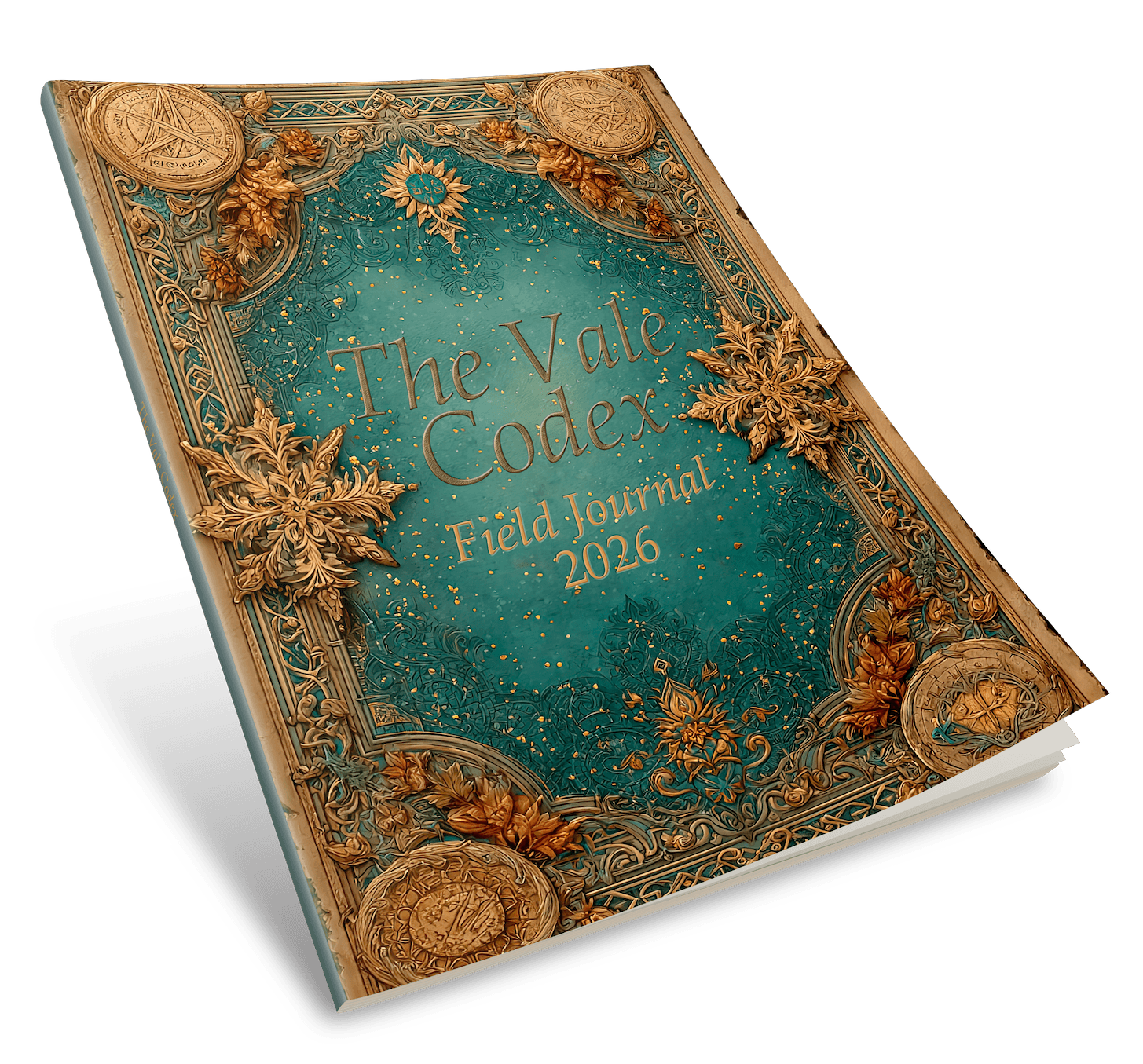
"GREAT NEWS... The 2026 Vale Codex Field Journal is available to download NOW!
The 48-page journal is a friend to carry on your own journey, expanding your mind and illuminating your path.
Tap this link to find out how to get your complimentary PDF copy right now!"
Kind regards, Rowan.