ROWAN VALE
Midsummer in the Wild: Nature at its Peak Around the Summer Solstice
Midsummer in Nature
Around the summer solstice, the landscape reaches a moment of remarkable abundance. Meadows glow with wildflowers, hedgerows overflow with blossom, fauna tends to young families, and the air hums with pollinators moving from flower to flower.
The long days of midsummer create a sense of fullness in nature—a brief period when growth, colour, and wildlife activity seem to peak all at once.
For centuries, this season has inspired celebration and observation. The summer solstice marks not only the longest day of the year, but a turning point in the natural cycle, when the wild energy of spring matures into the richness of early summer.
Wildflowers That Bloom at Midsummer
Many of the plants most closely associated with the summer solstice flower during the weeks surrounding midsummer.
Meadowsweet (Filipendula ulmaria) fills damp meadows and riverbanks with clusters of creamy-white flowers and sweet fragrance. Traditionally used in herbal medicine, it has long been associated with healing and celebration.
St John’s wort (Hypericum perforatum) is another iconic midsummer plant. Its bright yellow flowers typically bloom around the solstice and have been linked to protection, wellbeing, and seasonal folklore for generations.
Elsewhere, oxeye daisies brighten grasslands with their white petals and golden centres, while elderflower transforms hedgerows with clouds of fragrant blossom that attract countless insects.
Together, these summer solstice plants create some of the most vibrant scenes of the year.
Pollinators at Their Busiest
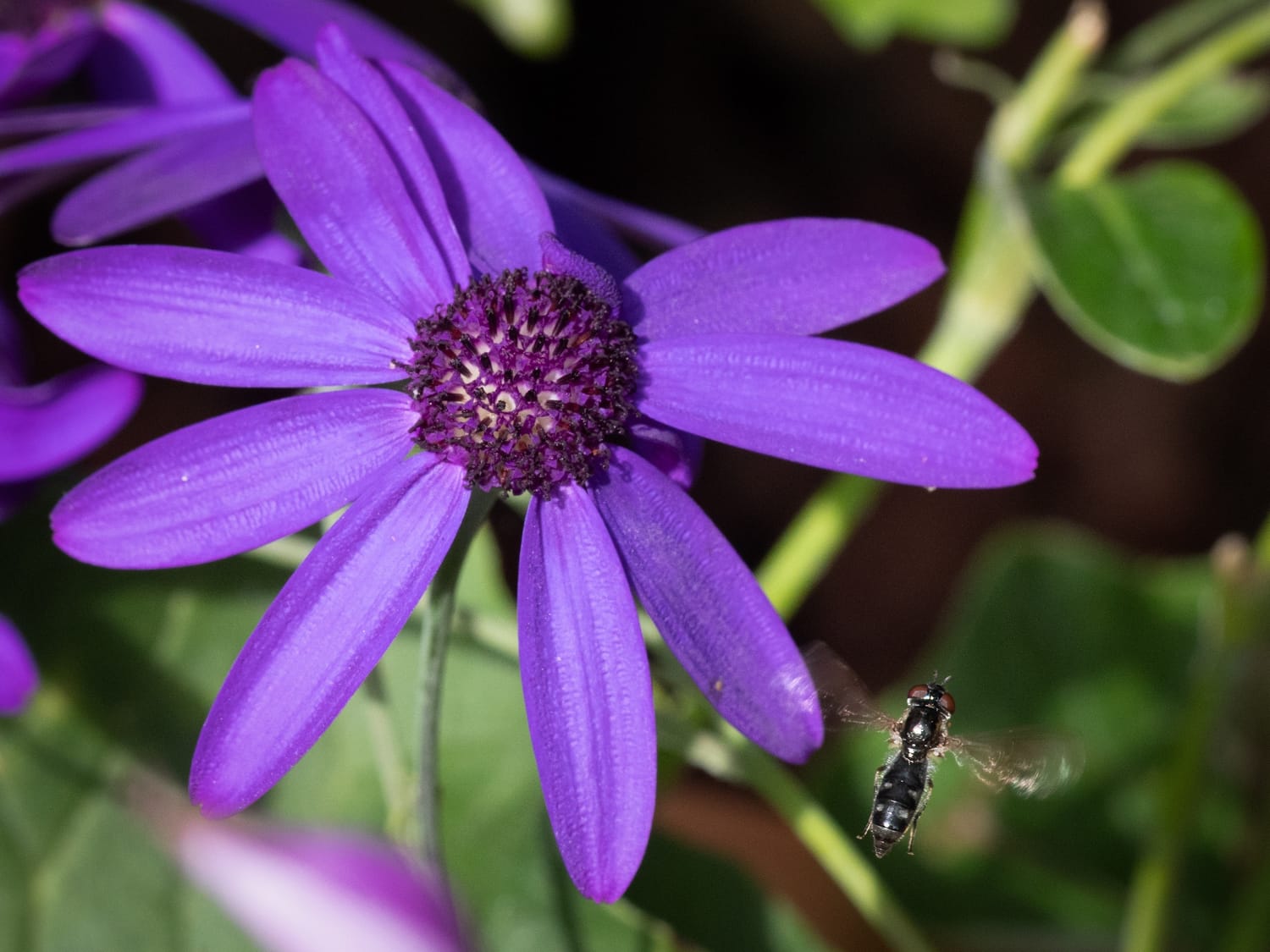
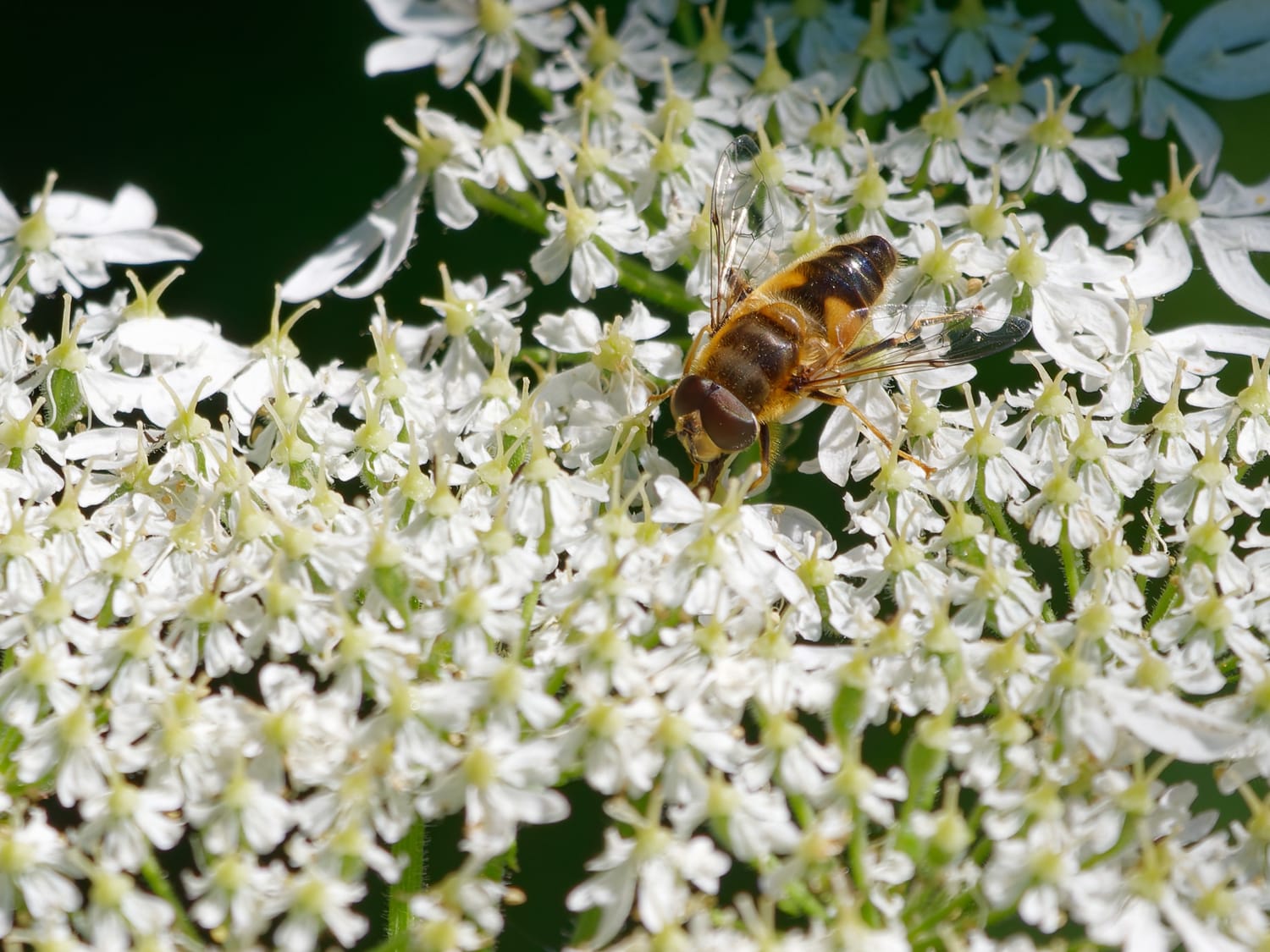
Midsummer is one of the most important periods for pollinators. Bees, butterflies, hoverflies, and other insects take advantage of the abundance of nectar-rich flowers.
Wildflower meadows become hubs of activity as bumblebees move between blooms and butterflies bask in the warmth of long sunny days. These interactions are vital, supporting both plant reproduction and wider ecosystem health.
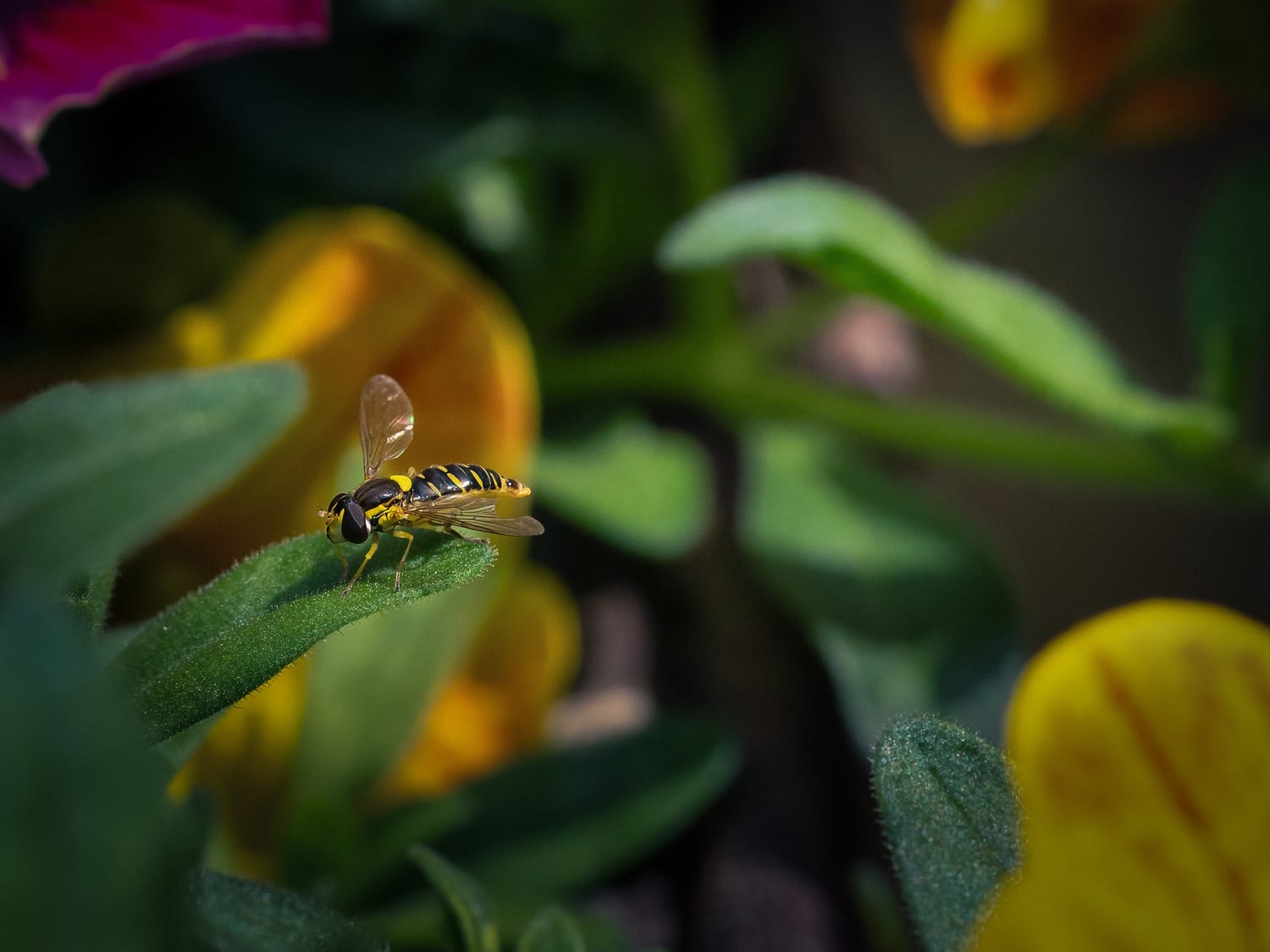
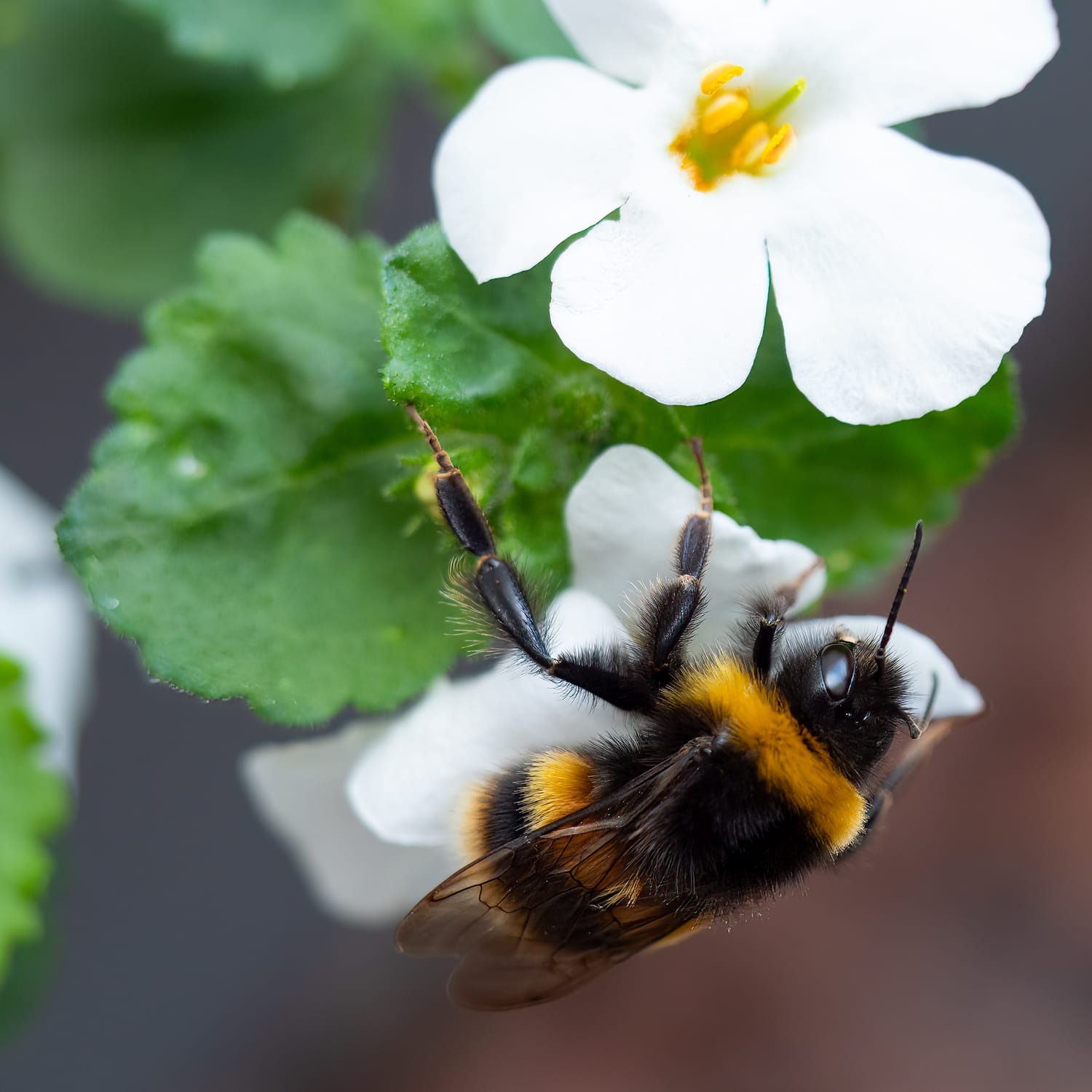
The familiar hum of insects across a summer meadow is more than a seasonal soundtrack—it is evidence of a thriving natural world.
Wildlife During the Season of Abundance
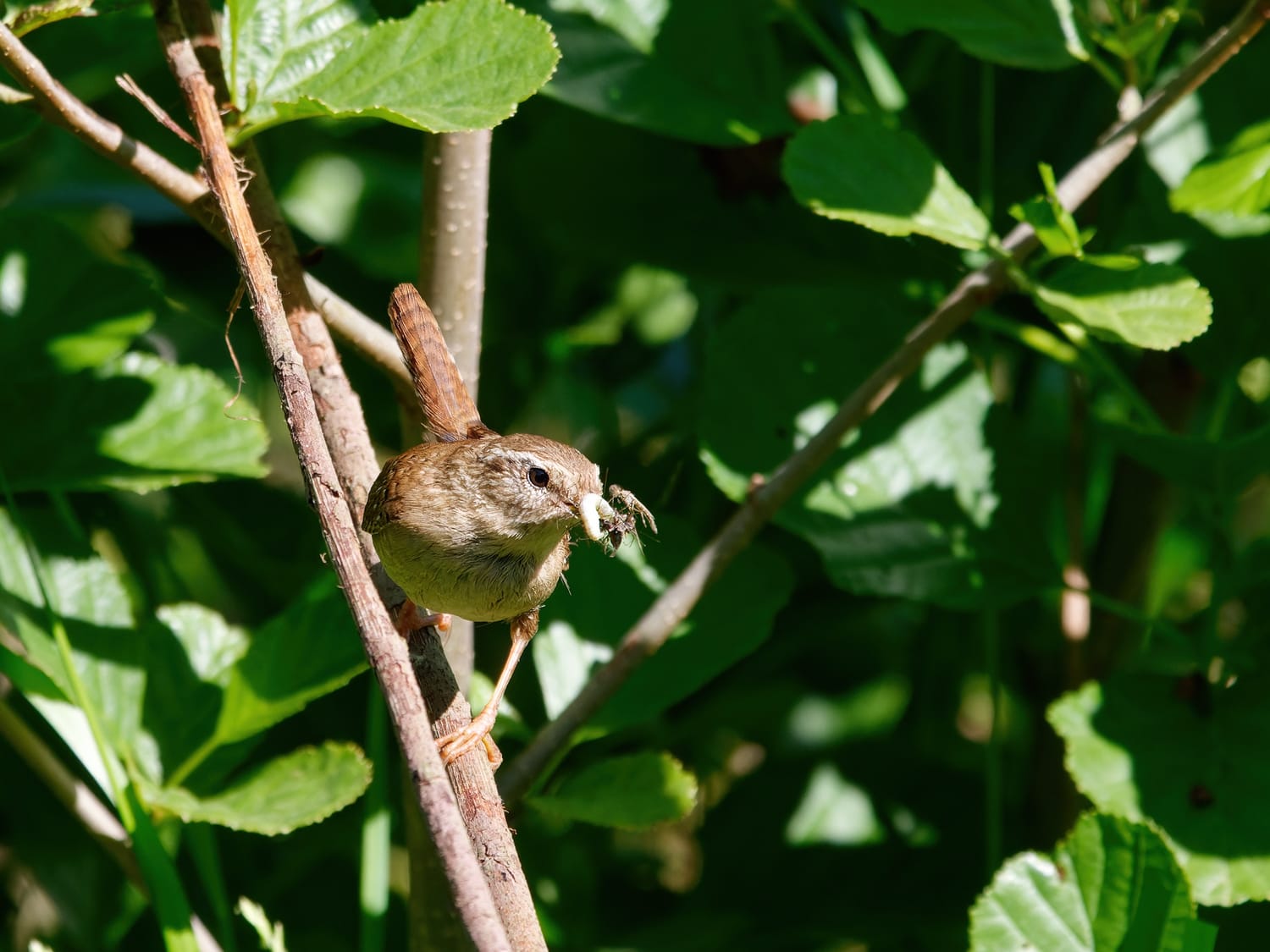
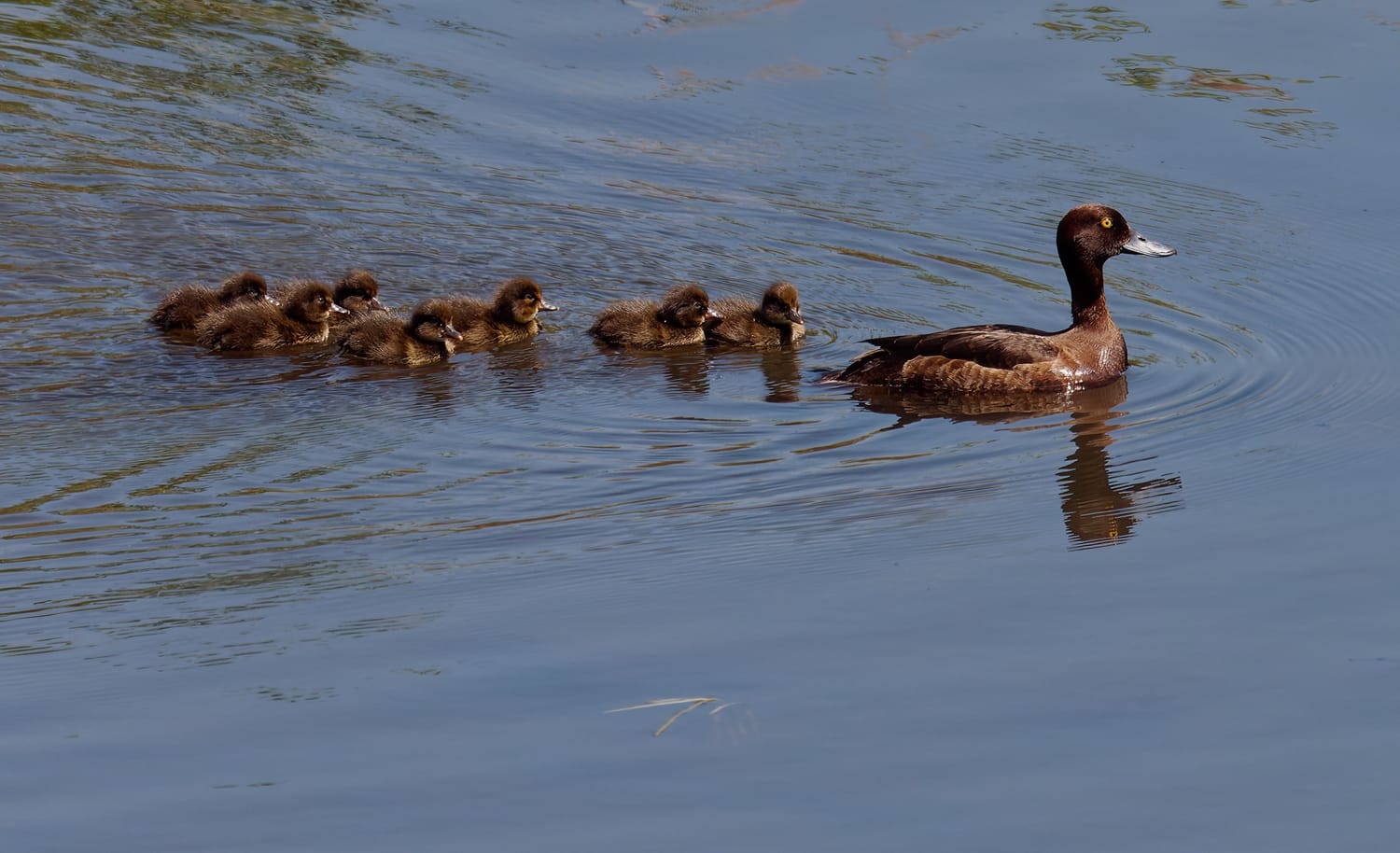
The abundance of midsummer extends beyond flowers and pollinators. Birds are busy feeding their young, taking advantage of plentiful insect life. Swallows skim across fields in search of airborne prey, while songbirds forage along woodland edges and hedgerows.
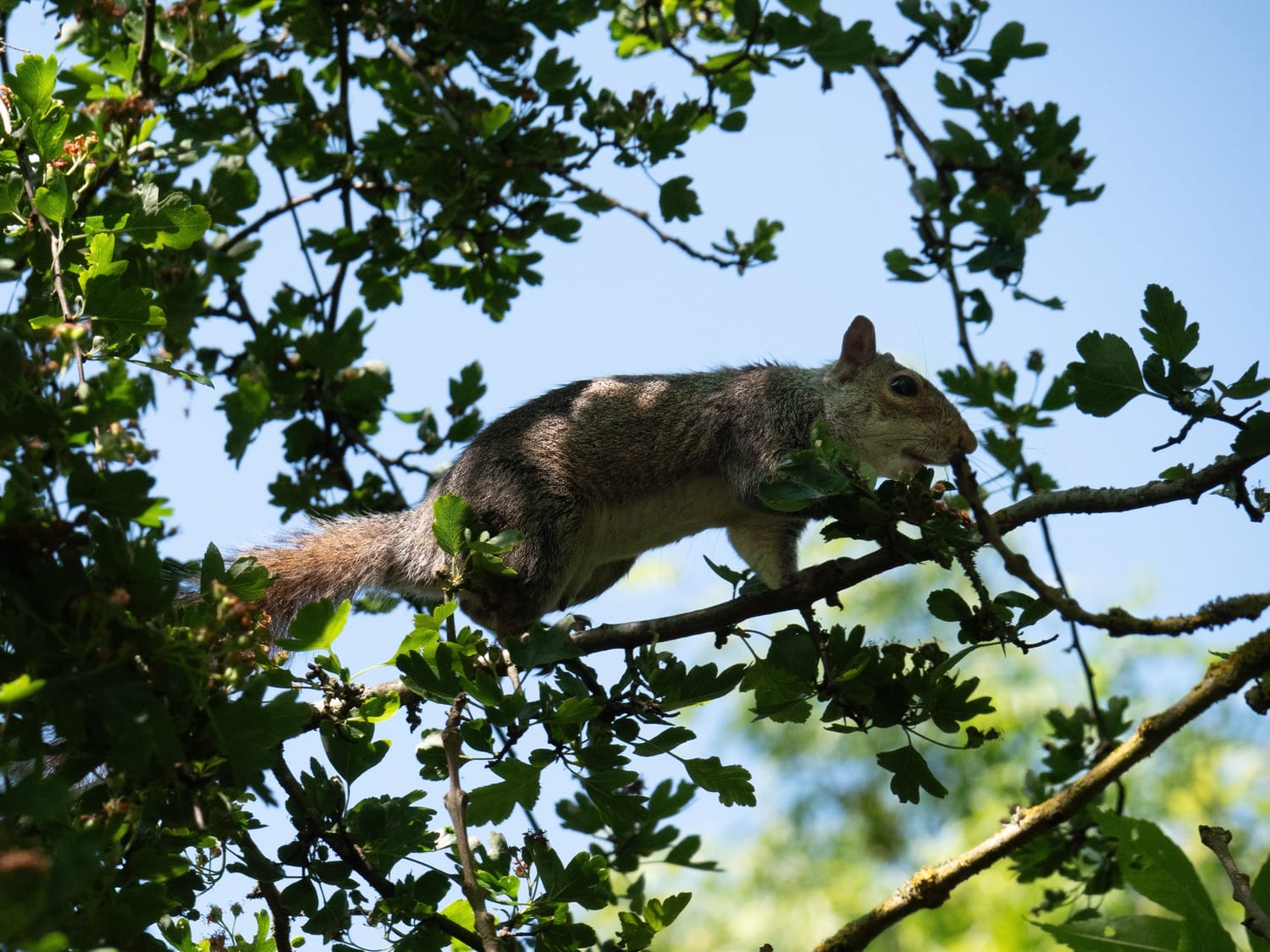
As evening arrives, bats emerge to hunt insects on the wing above ponds and meadows, while small mammals scurry about in dense vegetation hunting out plentiful food sources.
This period represents a seasonal high point when many species are actively growing, breeding, or preparing for the months ahead.
Midsummer Plants in Folklore and Tradition
For centuries, people gathered herbs around the summer solstice, believing them to be at their most potent. Plants such as St John’s wort, yarrow, mugwort, and meadowsweet became deeply woven into midsummer folklore and traditional medicine.
Whether used for healing, protection, or seasonal rituals, these plants reflected a close relationship between people and the rhythms of the natural world.
Why Midsummer Represents Nature's Peak
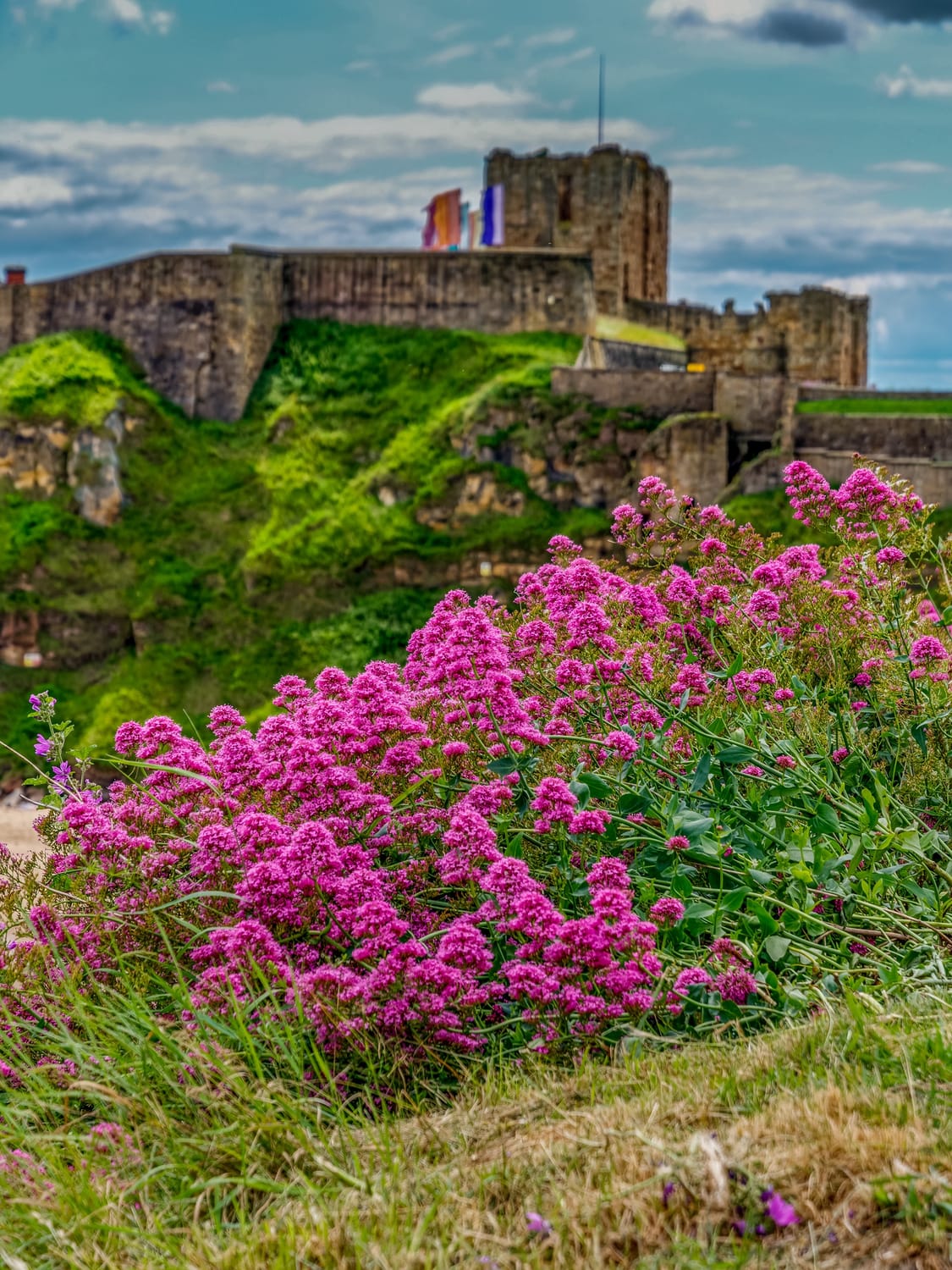
The abundance of midsummer is the result of months of increasing daylight transformed into flowers, seeds, nectar, and wildlife. It is a season when ecological energy becomes visible across the landscape.
Yet this peak is also fleeting. Even as wildflowers bloom and pollinators thrive, plants begin setting seed and the days slowly start to shorten once more.
To walk through nature at midsummer is to witness the year at its fullest expression—a brief but beautiful reminder of the cycles that shape our living world.
"GREAT NEWS... The 2026 Vale Codex Field Journal is available to download NOW!
The 48-page journal is a friend to carry on your own journey, expanding your mind and illuminating your path.
Tap this link to find out how to get your complimentary PDF copy right now!"
Kind regards, Rowan.