ROWAN VALE
Lughnasadh: The Ancient Harvest Festival That Welcomes Late Summer
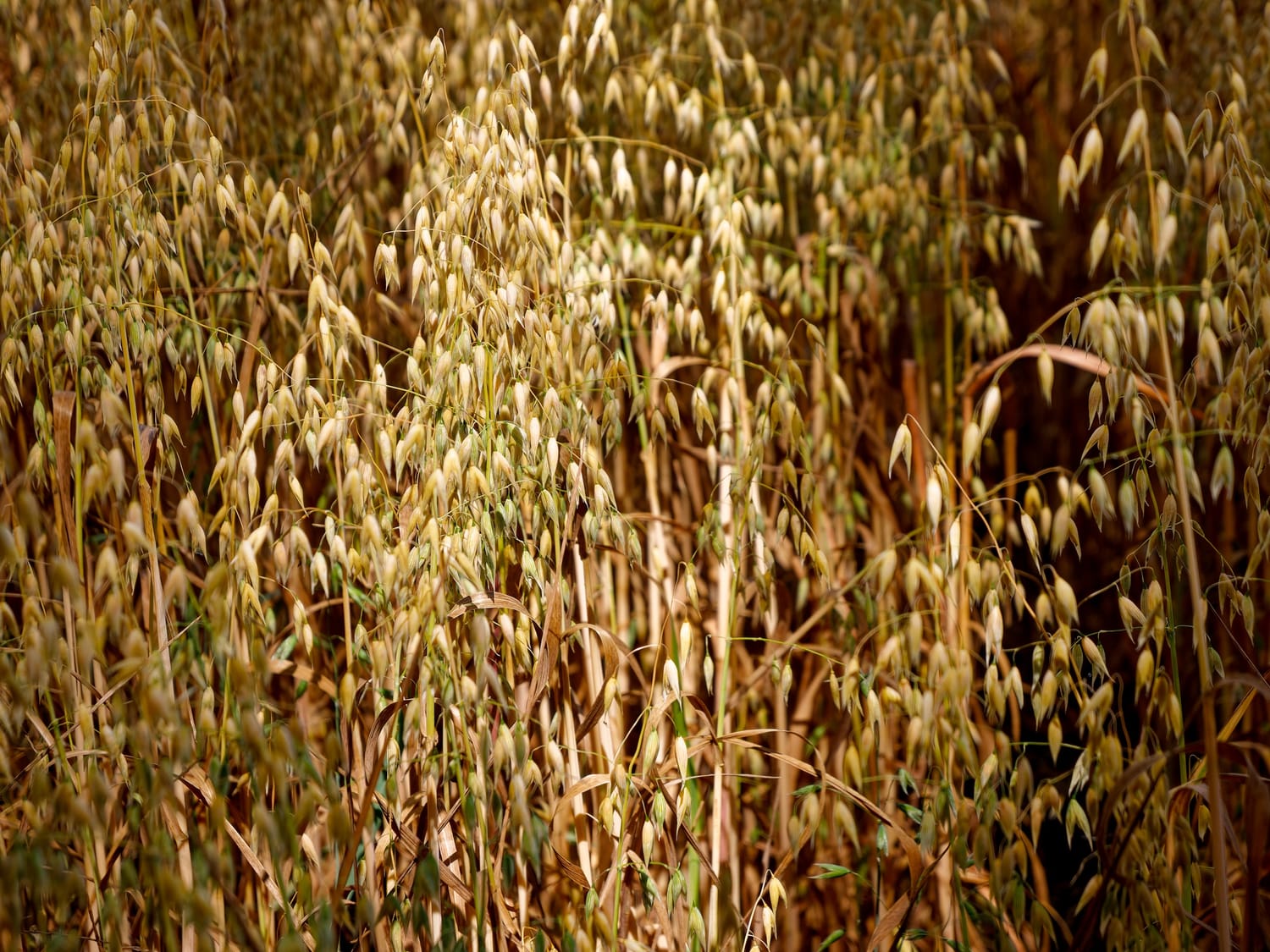
Late summer arrives with a quieter confidence than spring. The urgency of new growth has softened into ripening, and fields that only weeks before shimmered with fresh green now bend beneath the weight of grain. Hedgerows offer blackberries, orchards begin to sweeten, and the long evenings carry the scent of dry grass and warm earth. Across much of the northern hemisphere, this is the season when abundance becomes visible—not as promise, but as something that can finally be gathered.
It's within this landscape that Lughnasadh takes its place. Celebrated at the beginning of August, it marks the first harvest in the traditional Celtic calendar. It's a festival that honours both the generosity of the land and the labour required to bring its gifts to the table. Rather than celebrating completion, Lughnasadh acknowledges a threshold: the moment when the growing season begins to turn toward harvest, gratitude, and preparation for the months ahead.
What Is Lughnasadh? Origins and Ancient Traditions
Lughnasadh—pronounced LOO-na-sah or LOO-nasa—is one of the four major seasonal festivals of the Celtic Wheel of the Year. Traditionally observed around 1 August, it marks the beginning of the harvest season, preceding the later autumn festivals that complete the agricultural cycle.
The Festival of Lugh and Tailtiu
The festival takes its name from the Irish deity Lugh, a figure associated in Irish mythology with skill, craftsmanship, kingship, and many forms of human excellence. Medieval Irish sources describe Lughnasadh as an assembly established by Lugh in honour of his foster mother, Tailtiu, who was said to have died after clearing the land for agriculture.
Whether understood as mythology, cultural memory, or symbolic storytelling, the association links the festival closely with cultivation. Harvest is presented not only as a gift of nature but as the result of knowledge, effort, and care across generations.
Harvest as a Symbol of Growth
Unlike festivals centred on sowing or planting, Lughnasadh celebrates the first fruits of the year's work. Grain is cut, bread baked from the new harvest, and communities begin gathering food that would sustain them through autumn and winter.
Historically, this period also brought seasonal fairs, athletic contests, horse races, music, trading, storytelling, and communal feasting. These gatherings strengthened social ties while recognising the shared dependence of communities upon successful harvests.
The Spiritual Meaning of Lughnasadh
Beyond its agricultural roots, Lughnasadh carries themes that continue to resonate regardless of whether one lives close to farmland. It invites reflection on effort, gratitude, generosity, and the natural rhythm of fulfilment and release.
The Meaning of Harvest
Harvest is rarely a single event. It represents the gradual recognition that intentions planted months earlier have become tangible. Lughnasadh encourages reflection on what has matured through patience rather than speed.
This may include creative projects, relationships, personal growth, or practical achievements that have slowly taken shape over time. The festival asks not only what has been accomplished, but what made those accomplishments possible.
Gratitude Without Completion
Lughnasadh occupies an interesting place within the seasonal cycle because the work isn't yet finished. More harvests remain ahead, and uncertainty is still part of agricultural life. A successful first harvest offered encouragement, not absolute certainty.
This gives the festival a distinctive quality. Gratitude exists alongside responsibility. There's appreciation for what's been received while recognising the continued care needed for what remains.
The Balance Between Giving and Receiving
Harvest naturally raises questions about exchange. Grain becomes bread because many hands contribute to its journey. Fields require weather, soil, seed, knowledge, and human labour working together.
Lughnasadh is a reminder that abundance is rarely created alone. It invites appreciation not only for outcomes but also for the networks of people, landscapes, and traditions that support everyday life.
Traditional Lughnasadh Celebrations
Historical celebrations differed across the land, yet several themes appear repeatedly throughout historical accounts and folklore.
Seasonal Gatherings
Large outdoor assemblies formed an important part of Lughnasadh observance. Families travelled considerable distances to attend markets, competitions, legal gatherings, and celebrations held on hills or open landscapes.
These events served practical as well as ceremonial purposes, allowing communities to exchange goods, arrange marriages, settle disputes, and strengthen social bonds before autumn's work intensified.
Bread and Grain
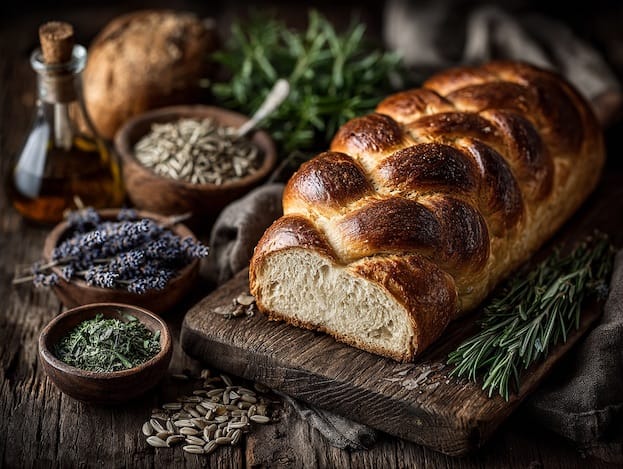
Fresh grain often featured prominently in seasonal customs. Baking bread from newly harvested grain symbolised the transformation of the year's first crop into nourishment.
Sharing bread within family or community reflected both gratitude for the harvest and recognition of mutual dependence.
Hilltop Traditions
Many Lughnasadh celebrations were associated with hill climbs or visits to elevated places. Mountains such as Croagh Patrick (the Reek) in Ireland became linked with seasonal pilgrimage, blending older customs with later Christian traditions.
Climbing to high ground offered broad views across the surrounding landscape, making the harvest visible as a shared reality extending far beyond any single field.
Why Lughnasadh Still Matters Today
Modern celebrations often draw inspiration from historical traditions while adapting them to contemporary life. The emphasis remains on recognising abundance, expressing gratitude, and acknowledging the relationship between effort and reward.
Creating a Simple Lughnasadh Altar
A seasonal altar can provide a quiet place for reflection. Common elements include:
A loaf of bread or a small bundle of grain
Seasonal fruits such as blackberries, apples, or plums
Sunflowers or late summer flowers
A candle representing the warmth of the harvest season
Natural objects gathered respectfully during a walk, such as grasses, seed heads, or stones
The purpose is not decoration alone, but creating a focal point that reflects the changing season.
Sharing a Harvest Meal
Preparing food from seasonal ingredients is among the simplest ways to observe Lughnasadh. Fresh bread, berries, vegetables, oats, honey, and locally grown produce all connect the meal to the rhythms of late summer.
Sharing that meal with family or friends can become an expression of gratitude for both food and companionship.
Practising Gratitude Through Reflection
Journaling or quiet contemplation can bring attention to the personal meaning of harvest. Consider reflecting on questions such as:
What has reached maturity in my life this year?
Which efforts are beginning to bear fruit?
Who has contributed to my growth along the way?
How can I share what I have received?
Rather than measuring success alone, these reflections encourage appreciation for process, community, and continuity.
Walking Through the First Harvest
A walk through fields, woodlands, gardens, or parks during early August reveals subtle changes that are easy to overlook. Grasses fade from vivid green to gold. Seeds replace blossoms. Birds forage among hedgerows, and insects gather around the final bursts of summer flowers.
Lughnasadh invites attention to these transitions. It's a reminder that harvest isn't only about gathering crops but about recognising change as it unfolds. The landscape shifts almost imperceptibly toward autumn, carrying both fulfilment and the quiet awareness that every season continues moving forward.
The first harvest is less about abundance alone than about relationship. It asks to notice where our lives intersect with cycles that are older than any calendar: growth, effort, generosity, and renewal.
Carrying the Harvest Forward
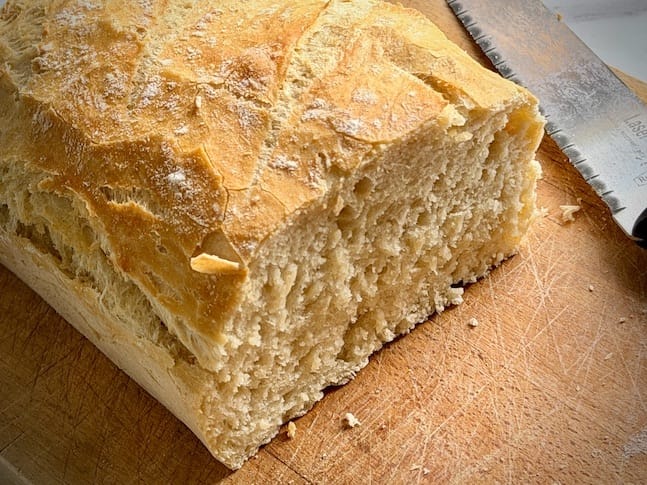
Lughnasadh stands at a moment of fulfilment without finality. The grain has begun to ripen, yet more remains to gather. Summer still lingers, though autumn has become visible at its edges. It's a festival that honours both celebration and continued stewardship.
To observe Lughnasadh today is to recognise that every harvest carries a story reaching back through seasons of unseen work. Seeds were planted long before they could be gathered, and the first loaf of bread reflects countless acts of patience, care, and cooperation.
As fields turn gold beneath the late summer sun, Lughnasadh offers a reminder that gratitude is most meaningful when it's rooted in attention. The first harvest isn't only about what the earth provides, but about learning to recognise abundance while it's still unfolding.
All the best, Rowan.
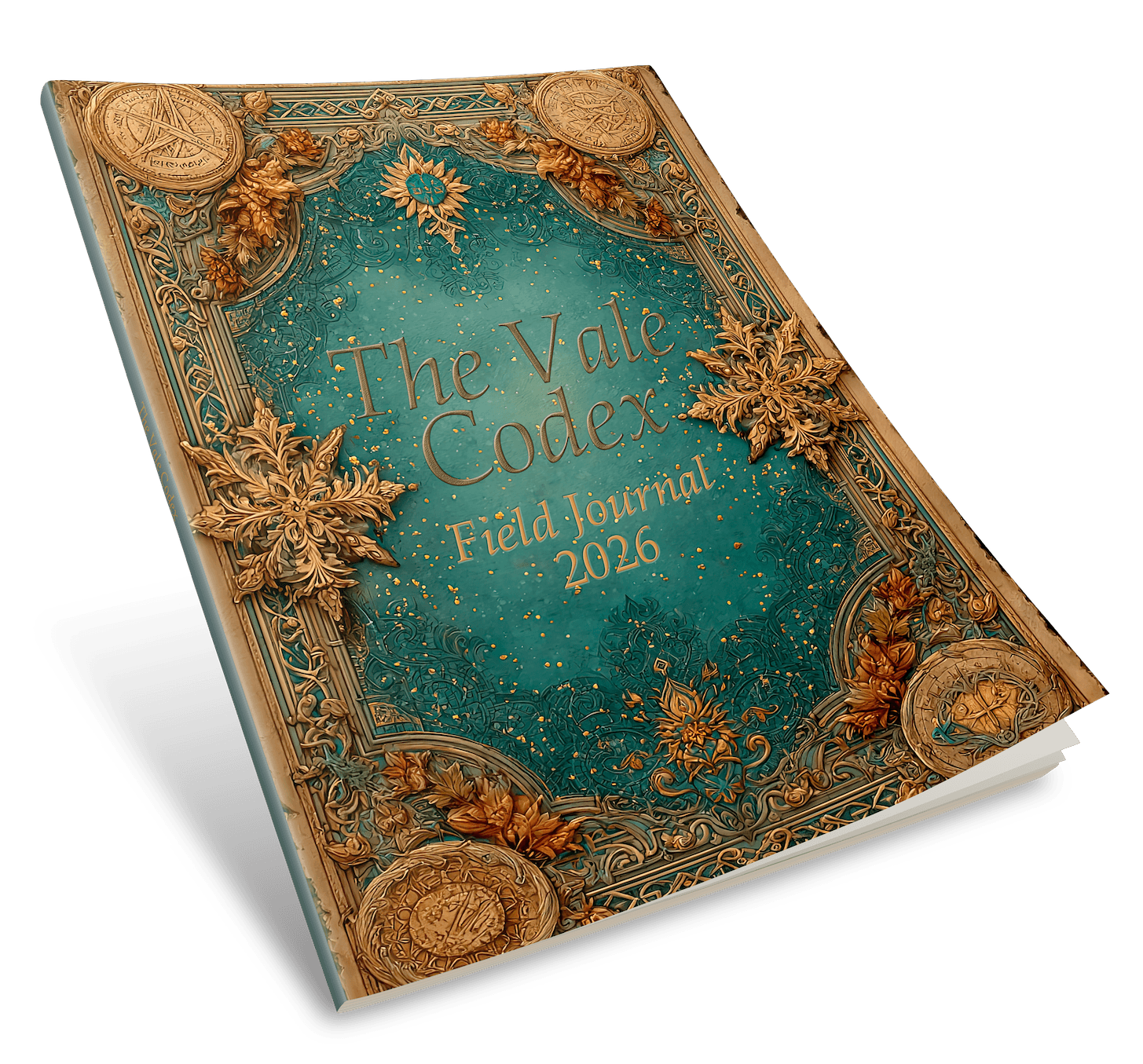
"GREAT NEWS... The 2026 Vale Codex Field Journal is available to download NOW!
The 48-page journal is a friend to carry on your own journey, expanding your mind and illuminating your path.
Tap this link to find out how to get your complimentary PDF copy right now!"
Kind regards, Rowan.