ROWAN VALE
Lammas Bread: A First Harvest Ritual of Baking, Gratitude and Abundance
The Meaning of Lammas and the First Harvest
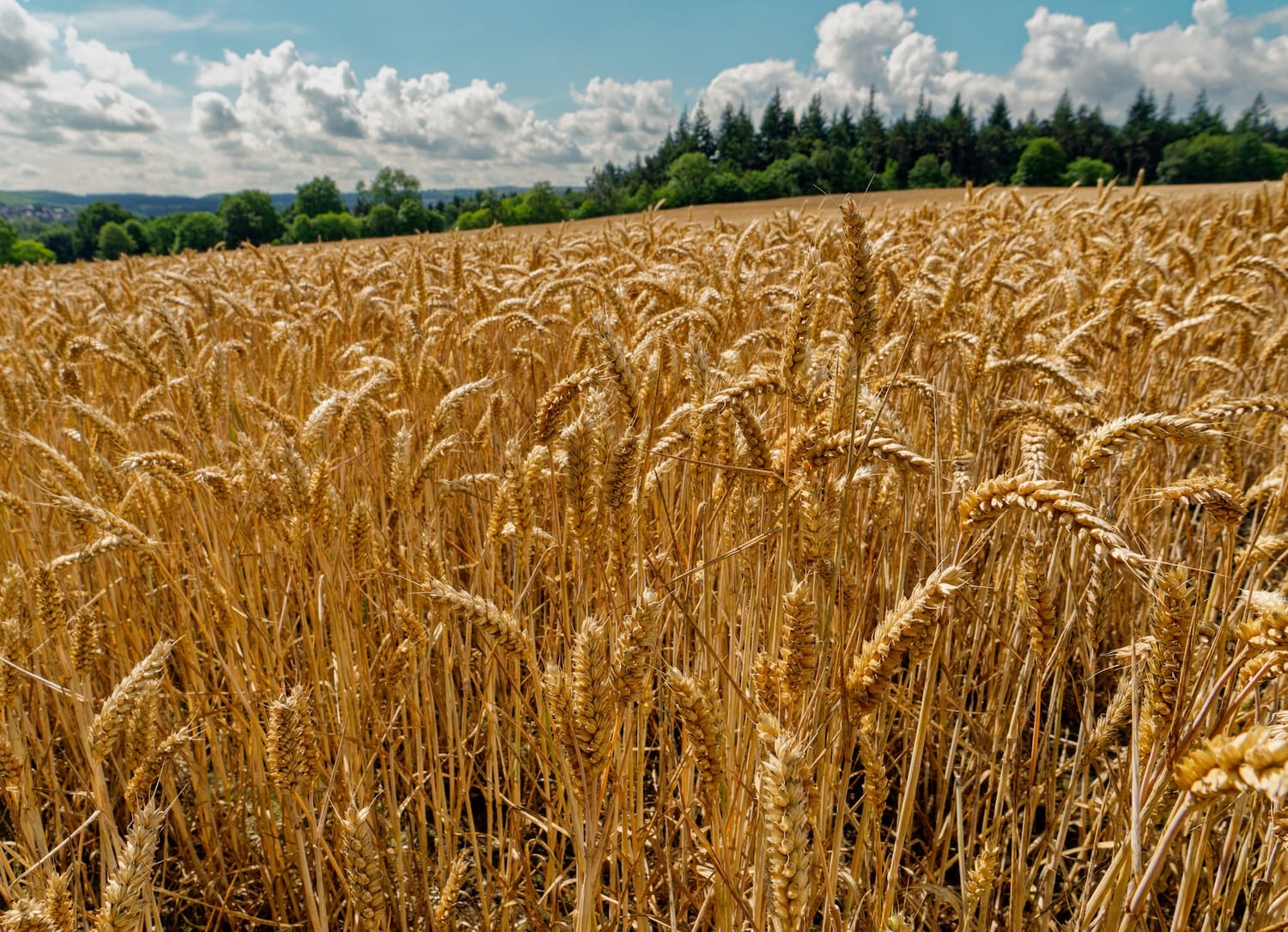
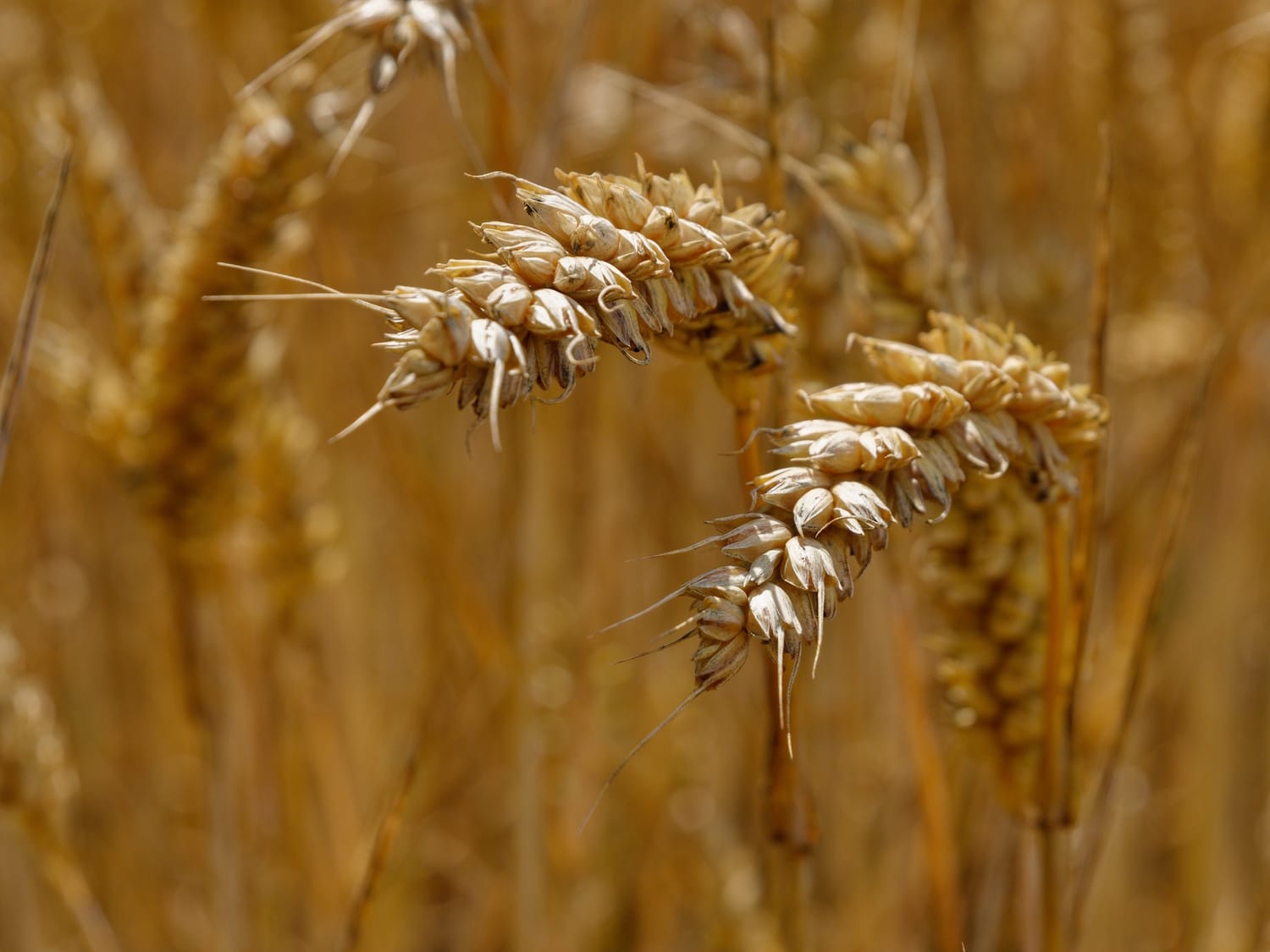
Lammas arrives at the first gathering of the harvest. Across fields grown heavy with grain, wheat and barley are cut under the late-summer sun, while orchards carry the scent of ripening fruit. The season hasn't yet turned towards autumn, but there's a subtle change in its rhythm. What's spent months growing is ready to be brought in.
Traditionally observed around 1 August, Lammas is associated with the first harvest festival of the Celtic wheel of the year. Its name comes from the Old English hlāfmæsse, meaning “loaf-mass”, referring to the custom of baking bread from the newly harvested grain and bringing it as an offering or blessing.
Bread, in this context, was more than nourishment. It represented an entire cycle completed: seed placed into soil, months of growth, the labour of harvest, and finally the transformation of grain into food. To break the first loaf was to acknowledge dependence upon land, weather, labour, and community.
Earlier harvest traditions also included giving the first portion back to the land or dedicating it to sacred powers. It reflects an old instinct: before enjoying what has been gathered, people pause to remember, give thanks, or return something first.
If you practise kitchen witchery today, baking Lammas bread offers a simple way to bring this symbolism into the home. Kneading becomes rhythmic and meditative. Herbs can carry particular intentions. The finished loaf becomes both food and seasonal ritual—a small expression of gratitude for what's ripened.
Baking Lammas Bread with Intention
There's something naturally ritualistic about making bread. Flour and water become dough beneath hands; yeast brings movement to something seemingly inert; warmth allows it to rise. Baking makes transformation visible.
The ingredients themselves can become part of the symbolism. Flour represents harvest and transformation, having travelled from seed to stalk, grain to flour. Water suggests movement and adaptability. Yeast brings expansion and life, while salt has long associations with preservation and protection.
As you mix and knead, choose a simple intention for the coming season. It might be abundance, stability, health, creativity, or peace within the household. There's no need for elaborate words. The practice lies in giving sustained attention to an ordinary act.
Before beginning, you might light a candle, open the kitchen window, put on music, or spend a moment considering what this year's harvest means to you. Harvest does not have to be literal. It may be work completed, a relationship strengthened, knowledge gained, or something difficult finally brought to an end.
Herbs and Seeds for Lammas Bread
Herbs and seeds give a Lammas loaf both flavour and symbolic character. Choose those that suit the intention of your baking rather than trying to include everything at once.
Rosemary for remembrance and protection
Thyme for courage and strength
Sage for wisdom and grounding
Lavender for peace and harmony
Sunflower seeds for warmth, joy, and the energy of the summer sun
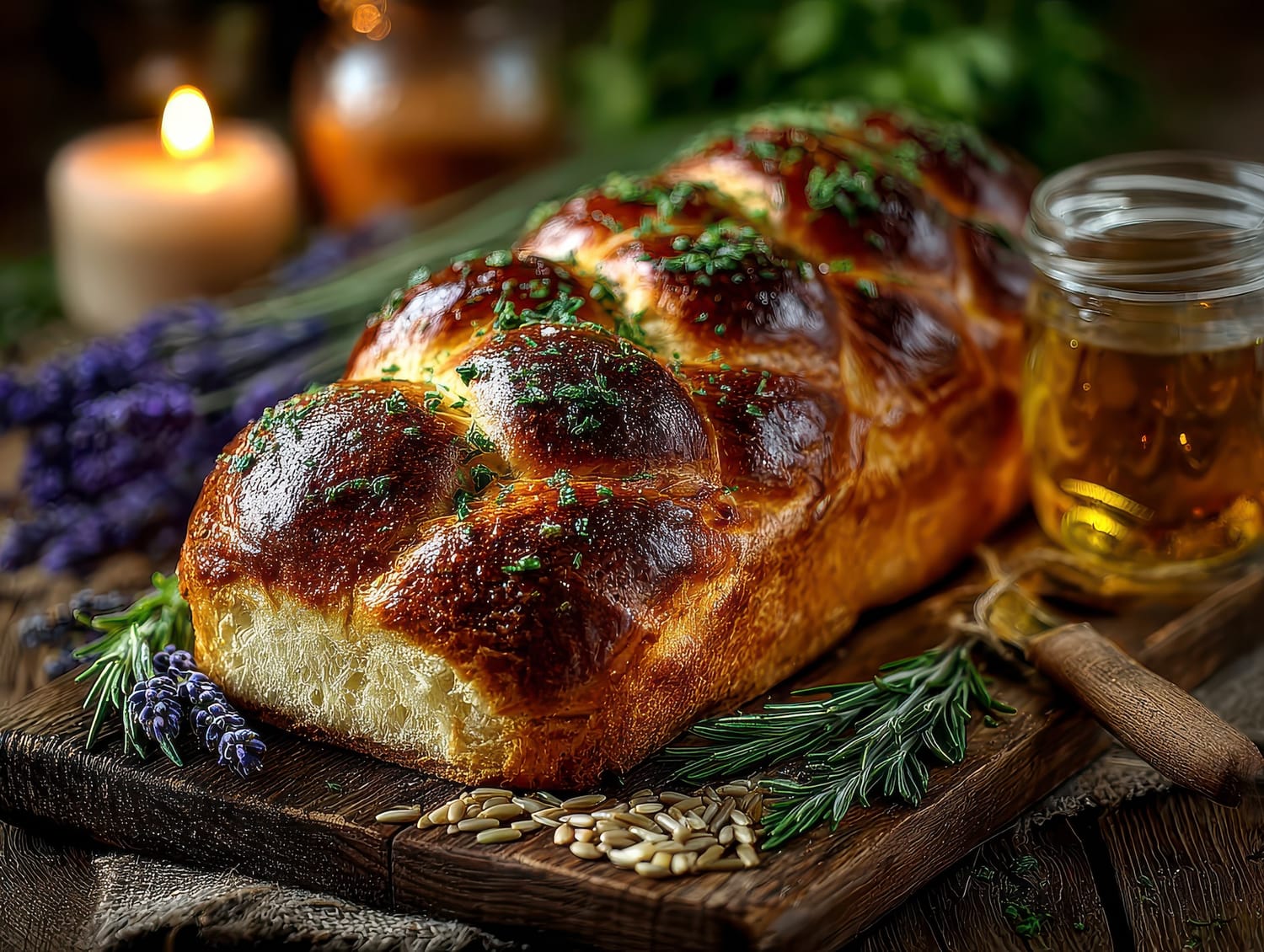
The shape of the bread can carry meaning too. A round loaf recalls the turning seasonal cycle, while a braid can represent family, community, or separate paths woven together.
You might press a spiral lightly into the dough before baking, scatter seeds across its surface, or tuck a little rosemary into a braided loaf. Historically, harvest customs sometimes personified the grain itself in figures or effigies. A small bread figure can offer a contemporary echo of this idea, particularly if part of the loaf is later returned to the earth.
A Simple Lammas Bread Recipe
This recipe makes one large loaf or two smaller loaves. It's deliberately uncomplicated, leaving room for herbs, seeds, and whatever personal symbolism you wish to bring to it.
Ingredients:
500g bread flour, or a mixture of white and wholemeal flour
1 teaspoon salt
7g dried yeast
300ml warm water
1 tablespoon honey, optional
A small handful of your chosen herbs or seeds
Combine the flour and salt in a large bowl. In a separate jug, stir the yeast and honey into the warm water, then pour it gradually into the flour. Mix until a rough dough begins to form.
Turn the dough onto a lightly floured surface and knead for around ten minutes, adding your herbs or seeds as you work. Notice the texture changing beneath your hands. What begins rough and resistant gradually becomes smoother and more elastic.
Place the dough in a covered bowl somewhere warm and allow it to rise for one to two hours, or until roughly doubled in size.
Shape the dough into a round, braid, or another form that feels appropriate. Add any seeds or markings to the surface, then score the loaf with a sharp knife.
Bake at 200°C/390°F for approximately 30–35 minutes. When finished, the crust should be deeply golden and the base should sound hollow when tapped.
Allow the bread to cool before cutting it. This waiting is part of bread-making too: transformation continues for a little while after the loaf has left the oven.
The Symbolism of the First Loaf
Lammas offers an opportunity to notice how easily processed food can become invisible. Grain appears as flour in a packet; bread arrives sliced and wrapped. The long chain of soil, weather, seed, labour, transport, and time recedes from view.
Making a loaf by hand brings some of that process back into awareness.
This is where the older symbolism of Lammas remains most relevant. Harvest is not simply abundance. It's relationship. Something has grown because particular conditions allowed it to grow, and enjoying its fruits carries an invitation to recognise everything that made this possible.
You might have the first slice with butter and honey, share the loaf with family or friends, or leave a small portion outdoors where appropriate. The gesture matters less than the intention behind it.
Gathering What Has Grown
By Lammas, summer is still present. The evenings remain long, flowers continue to bloom, and warmth lingers in the soil. Yet the first harvest contains the faintest suggestion of what comes next. Fields are being emptied. Fruits are swelling towards ripeness. The year has begun the slow movement from growth into gathering.
Baking bread at this threshold is a modest practice, but perhaps that's part of its
value. Flour, water, salt, yeast, warmth: ordinary things become a way of marking seasonal change.
And as the loaf rises, browns, and fills the kitchen with its fantastic scent, there's an
opportunity to consider your own harvest. What has grown this year? What is ready to be gathered? What abundance can be shared?
Lammas reminds us that receiving and giving belong to the same cycle. The grain is gathered, the bread is made, the table is filled—and a portion, whether literal or symbolic, is offered back in thanks.
So the end of August, before you reach for the pre-sliced loaf at the store, consider this: What if the simplest act of rebellion is to slow down, mix flour and water, and remember that you, too, are part of the harvest.
Warmly, Rowan.
"GREAT NEWS... The 2026 Vale Codex Field Journal is available to download NOW!
The 48-page journal is a friend to carry on your own journey, expanding your mind and illuminating your path.
Tap this link to find out how to get your complimentary PDF copy right now!"
Kind regards, Rowan.