ROWAN VALE
Ladybird Visit
There is something quietly reassuring about the sight of a ladybird moving across a leaf—small, deliberate, and impossibly bright against the green. In the UK, these familiar beetles are among the most recognisable signs of the warmer months, appearing just as gardens begin to hum with life in spring and lingering well into early autumn. Though often taken for granted, ladybirds—more accurately called ladybirds rather than ladybugs in Britain—carry a surprising depth of ecological importance and quiet folklore.
The species most people recognise is the Seven-spot ladybird, a vital ally in the garden. Both adults and larvae feed voraciously on aphids, those soft-bodied insects that cluster on stems and leaves. A single ladybird can consume dozens of aphids in a day, making them a natural form of pest control. Gardeners have long welcomed their presence, seeing them not only as helpful but as quietly benevolent creatures.
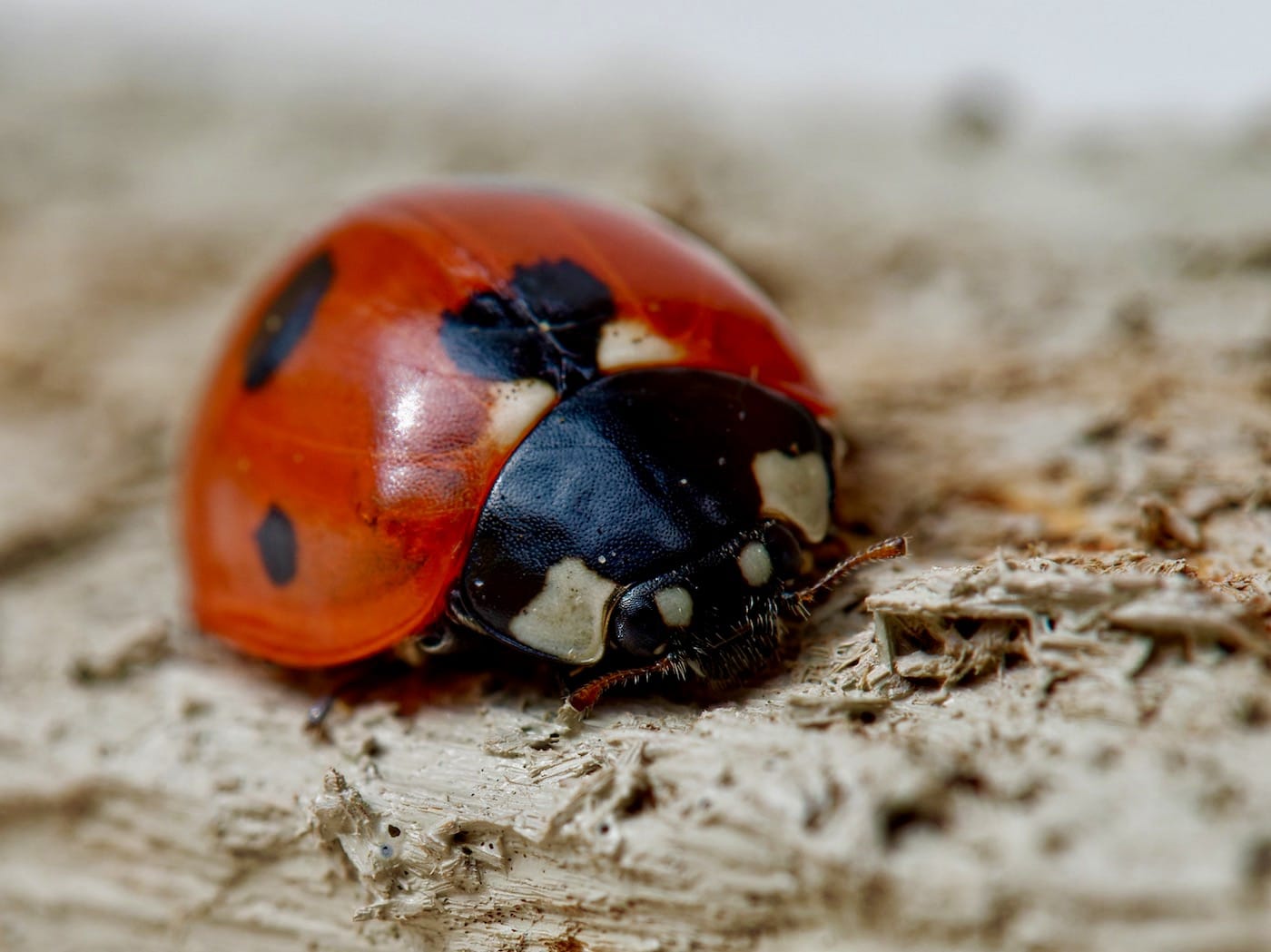
This sense of goodwill is woven into their name. “Ladybird” is thought to derive from “Our Lady’s bird,” a reference to the Virgin Mary. In medieval Europe, the beetles were associated with protection, their red colour symbolising the Virgin’s cloak and their black spots her sorrows. Farmers, grateful for the insects’ role in protecting crops, came to regard them as a blessing. Even today, the instinct to gently lift a ladybird from one’s hand and watch it take flight carries a faint echo of that older reverence.
Kind regards, Rowan.
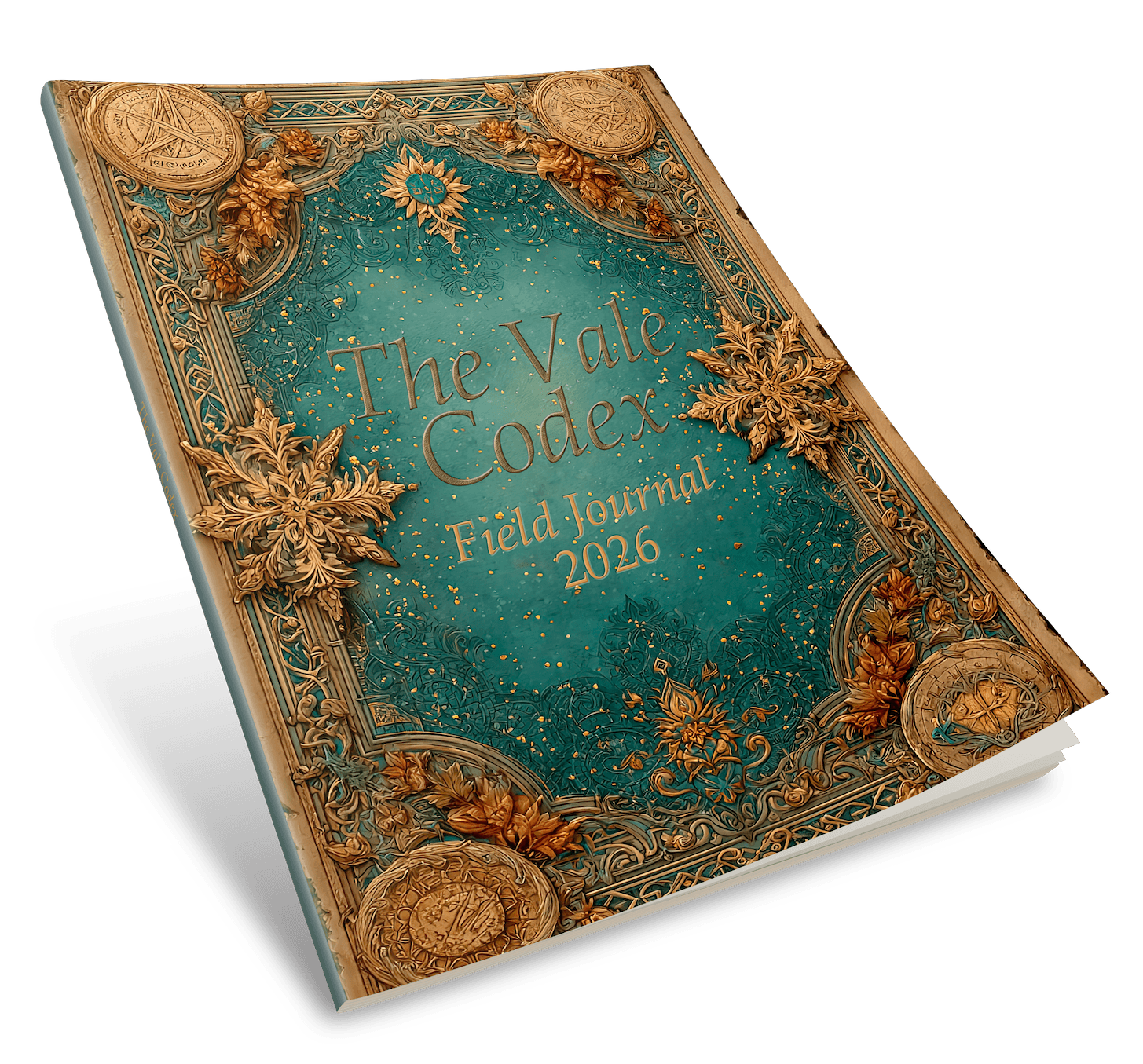
"GREAT NEWS... The 2026 Vale Codex Field Journal is available to download NOW!
The 48-page journal is a friend to carry on your own journey, expanding your mind and illuminating your path.
Tap this link to find out how to get your complimentary PDF copy right now!"
Kind regards, Rowan.