ROWAN VALE
Harvesting the Light
A Reflection on Nature, and the Hidden Harvest of Summer
At this time in high summer the landscape seems to hold more light than it can possibly contain. Mornings arrive before waking, evenings linger beyond expectation, and fields shimmer beneath a sun that appears almost reluctant to leave the sky. The hedgerows are thick with green, wildflowers lean into the warmth, and every leaf seems engaged in the quiet work of turning sunlight into life.
To walk through the countryside is to witness a remarkable exchange. Light doesn't only illuminate the world—it's gathered, transformed, and stored. In grain heads swelling with seed, in the slow ripening of fruit, in the rings of growing trees and the sweetness of herbs drying beneath open skies, summer becomes something that can be carried into seasons yet to come.
This is the oldest form of harvesting: the harvesting of light.
How Plants Turn Sunlight into Life
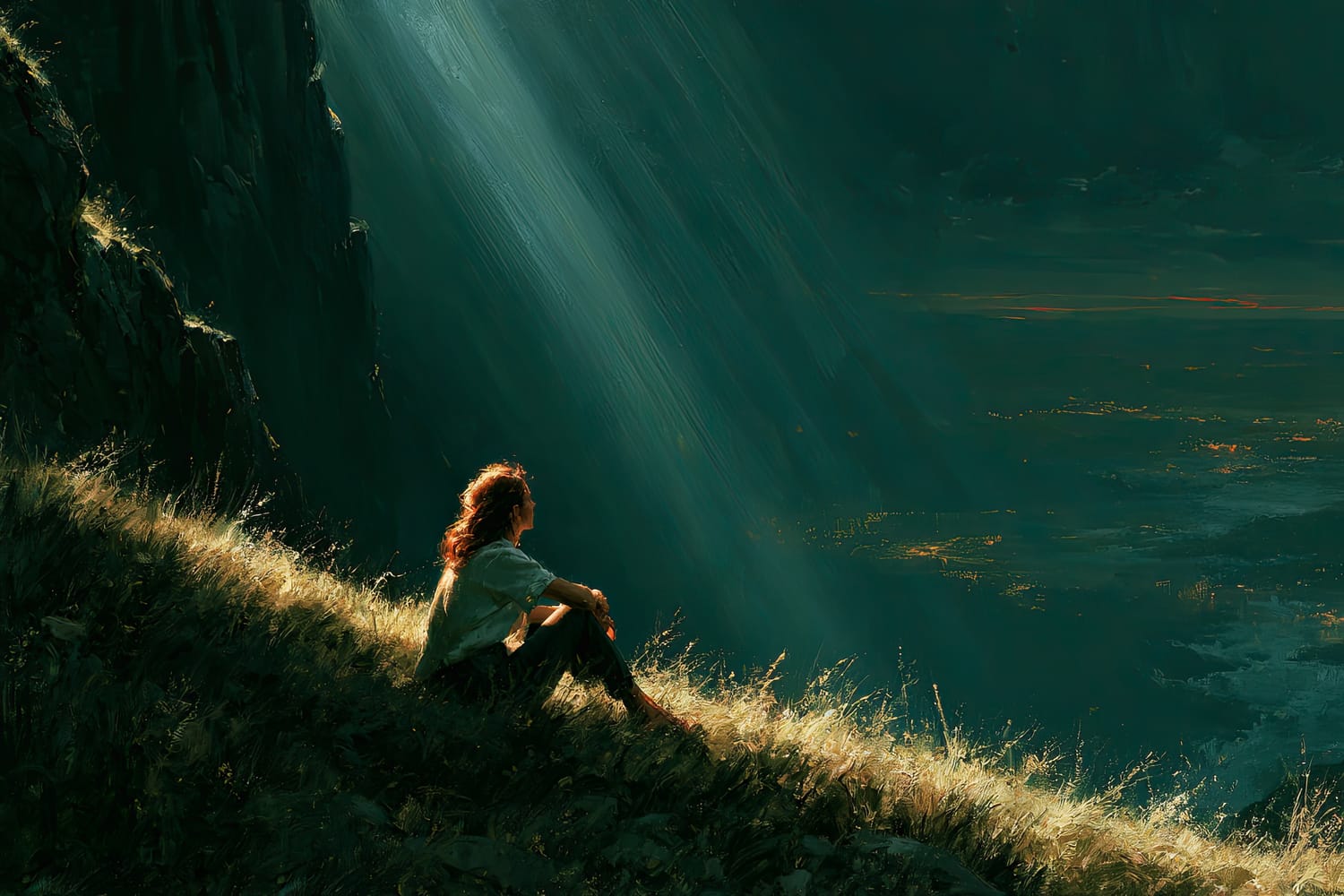
In days past, long before fields were cut and barns were filled, the harvest had already begun. Every green stem, every blade of grass, every oak and ash had quietly collected the season's abundance. Through the simple miracle of photosynthesis, sunlight had become nourishment, structure, and growth. The brightness of June and July eventually becoming autumn's grain, winter's stored apples, and the firewood stacked against colder days.
For those living closely with the land, this transformation was never an abstract scientific process. It was visible in every part of daily life.
People understood that the warmth of the sun didn't disappear when evening came. It remained within the wheat in the fields, within the hay gathered into lofty barns, within the herbs hanging from cottage rafters, and within the animals sustained by summer pasture. To gather the harvest was, in a very real sense, to gather sunlight itself.
Ancient Harvest Traditions and Seasonal Living
Ancient farming communities rarely imagined themselves as masters of nature. Their survival depended upon attentiveness rather than control.
The rhythm of the year shaped every decision. Seeds were sown when the soil had warmed enough to nurture them. Meadows were left until wildflowers had fed insects and grasses had reached their fullest strength. Grain was cut not simply according to the calendar, but according to weather, ripeness, and observation.
This relationship demanded patience.
Rather than forcing the land to produce continuously, traditional agricultural practices recognised cycles of rest alongside cycles of abundance. Fields lay fallow, hedgerows remained intact, woodland was coppiced over generations, and common spaces supported both wildlife and human communities.
Harvest was never solely about taking. It was also about knowing when enough had been gathered, and what should remain.
Why Light Was Sacred
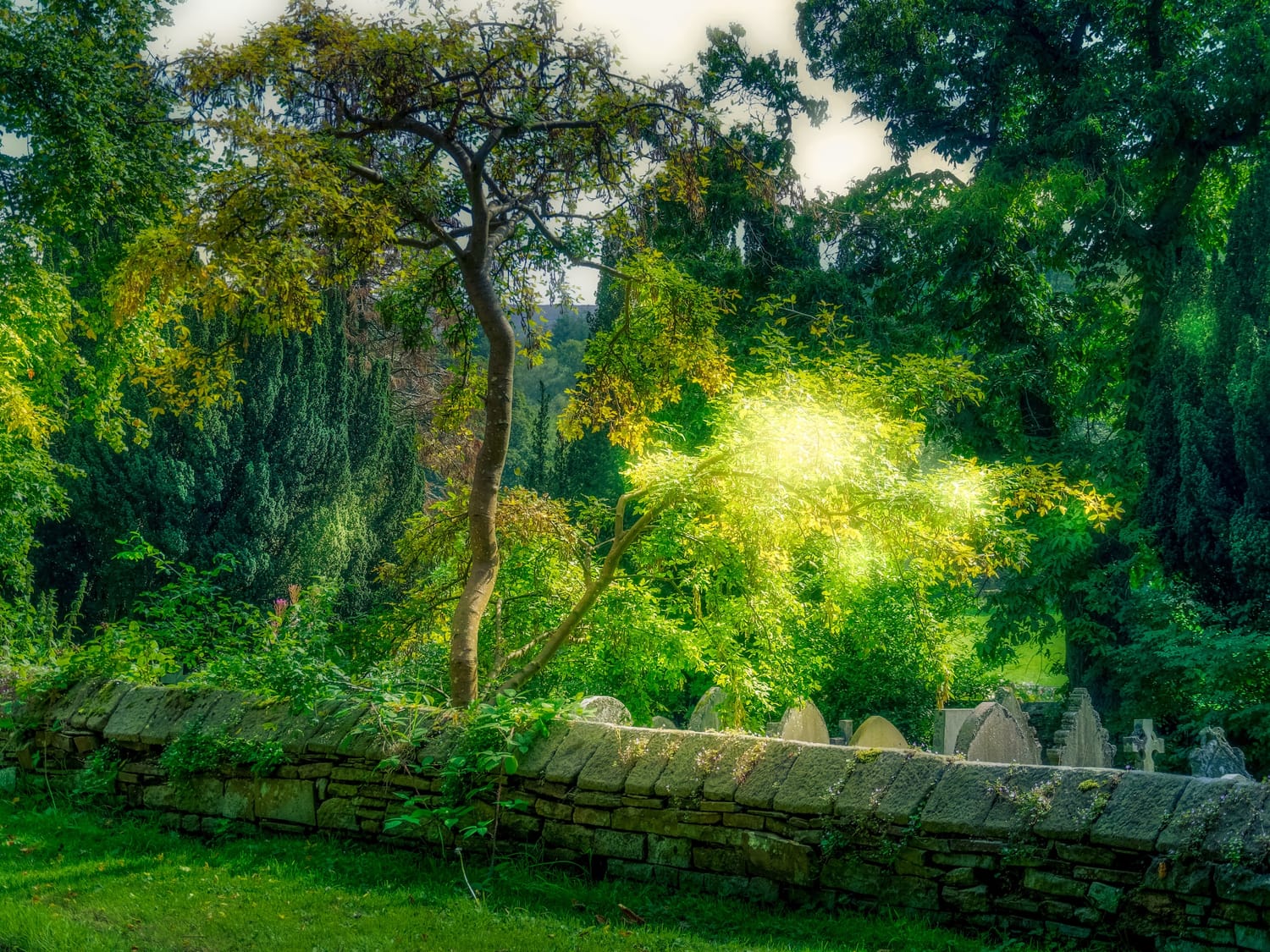
Across Europe, midsummer festivals reflected an awareness that light itself was reaching its fullest expression.
Bonfires crowned hilltops. Communities gathered outdoors long into the evening. Herbs were collected at dawn, believed to carry particular vitality after long days beneath the summer sun. Water drawn from springs at first light was treasured, and flowers woven into garlands celebrated the landscape at its most generous.
These traditions varied from place to place, yet they shared a common intuition: that light was not merely physical illumination, but a source of renewal, fertility, and continuity.
The longest day was never simply the year's brightest. It marked a turning point.
Even as daylight reached its greatest extent, it also began, almost imperceptibly, to shorten once more. The season quietly reminded those who observed it that abundance carries within itself the beginning of change.
Gathering More Than Food
To harvest light is also to gather experience before it fades.
Summer asks you to notice things that are easily overlooked during busier months: the scent of warmed pine after rain, bees moving patiently through clover, the shifting shadows beneath old trees, the swooping cloud of swallows overhead before they depart for African shores.
These moments cannot be stored in granaries, they become part of an inner harvest.
Many ancient cultures marked the seasons not only through labour but through storytelling, song, communal feasts, and shared rituals. These practices preserved memory in much the same way that root cellars preserved vegetables or drying racks preserved herbs.
The harvest was as much about people as agricultural.
It strengthened relationships between neighbours, honoured ancestors who had worked the same fields, and reminded each generation they belonged within a rhythm larger than themselves.
Learning from the Land Again
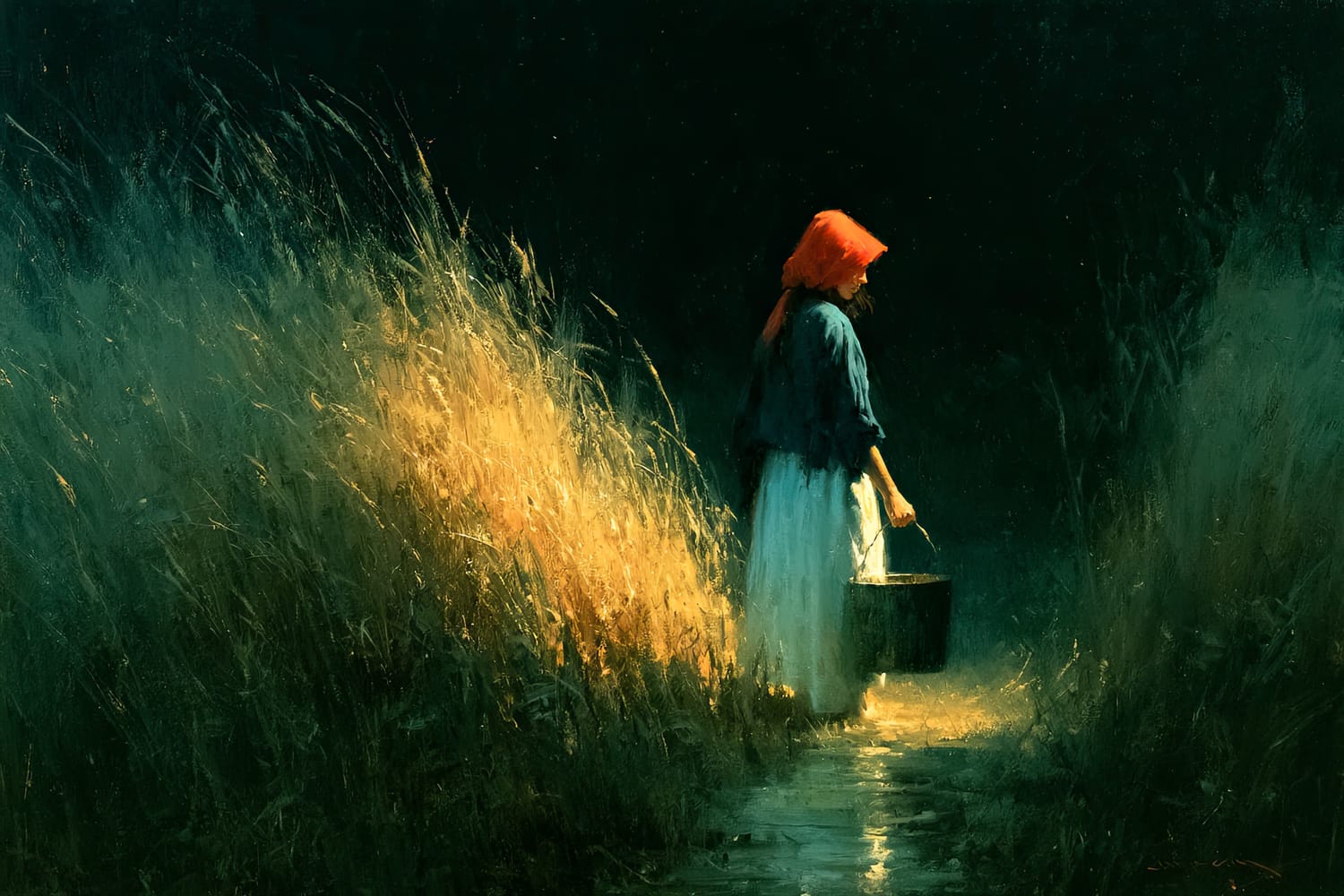
Modern life encourages people to experience summer as something to fit around schedules rather than something to inhabit fully. Long days pass behind windows and screens, while the changing landscape unfolds almost unnoticed.
Yet the natural world continues its patient work.
Trees still draw sunlight into wood. Wild grasses still ripen seed. Rivers still reflect skies that stretch late into the evening. Birds continue to raise their young according to daylight rather than calendars.
To spend even a short time outdoors is to encounter a different understanding of productivity—one measured less by speed than by steady participation in seasonal rhythms.
The land doesn't rush toward harvest. It grows into it.
Perhaps there's profound wisdom in that.
A Quiet Practice of Harvesting Light
Harvesting light need not involve fields or farms. It can begin with attention.
Walking beneath evening skies without destination. Drying fragrant herbs gathered from a garden. Sharing food prepared from seasonal ingredients. Sitting long enough to watch shadows lengthen across a meadow. Opening the windows to allow warm air and birdsong into your home.
These are small acts, yet they cultivate the same awareness that's shaped human relationship with summer for thousands of years.
They remind us that abundance isn't measured by what we possess, but by what we're willing to notice.
Carrying Summer Forward
As summer reaches its fullest expression, the landscape quietly prepares for what's next. Fruits continue to ripen, grain bends beneath its own weight, and the first subtle hints of autumn already exist within the green.
The light gathered now will sustain forests through another year of growth, nourish wildlife through changing seasons, and become the harvest that communities have celebrated across generations.
Perhaps that's the enduring lesson of summer: that light is not something to merely witness, but something the living world receives, transforms, and carries forward.
When you walk thoughtfully through fields, woodlands, and gardens at this time of year, you become a participant in that ancient exchange. Remember that humanity has long worked alongside nature rather than apart from it, learning to gather not only food, but patience, gratitude, memory, and hope.
In every seed quietly ripening beneath the sun, in every tree reaching upward, and in every evening that lingers a little longer than expected, the earth continues its oldest practice—harvesting light, and offering it back to the future.
Warmly, Rowan.
"GREAT NEWS... The 2026 Vale Codex Field Journal is available to download NOW!
The 48-page journal is a friend to carry on your own journey, expanding your mind and illuminating your path.
Tap this link to find out how to get your complimentary PDF copy right now!"
Kind regards, Rowan.