ROWAN VALE
February Life on the River
Four days into February, the River Derwent runs cold and clear beneath a pewter sky. Along its bends in County Durham, the quiet hush of winter has settled — fields rimmed with frost, the trees bare but for a few stubborn leaves preparing to welcome the spring.
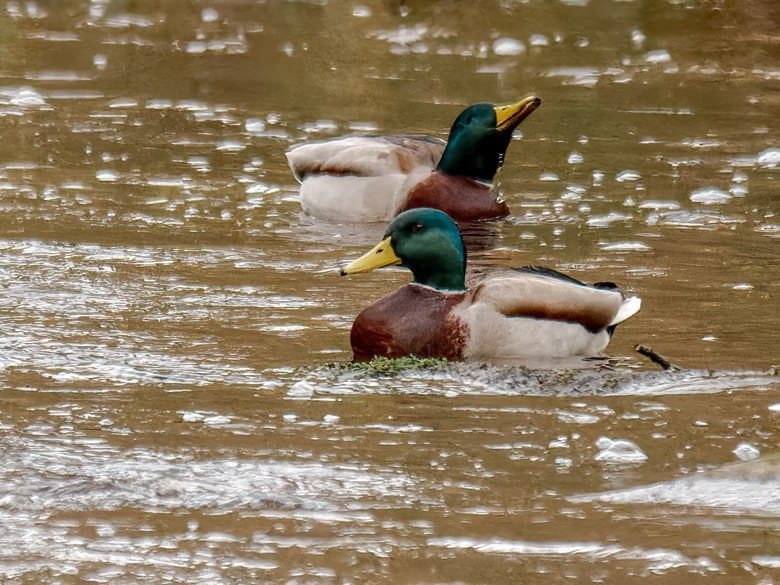
It is here, on this late winter day, that a pair of Mallard ducks drift together through the slow current, their presence a small, vivid note of life against the subdued palette of the season.
The images capture something more than mere wildlife observation. They feel like small meditations on companionship and endurance. The flashy male, with his iridescent green head and yellow bill, is a snapshot of brightness on the muted water. The female, cloaked in mottled browns and ochres, blends perfectly with the riverbank reeds. Together, they embody the subtle balance of visibility and camouflage that winter demands — beauty revealed and restrained all at once.
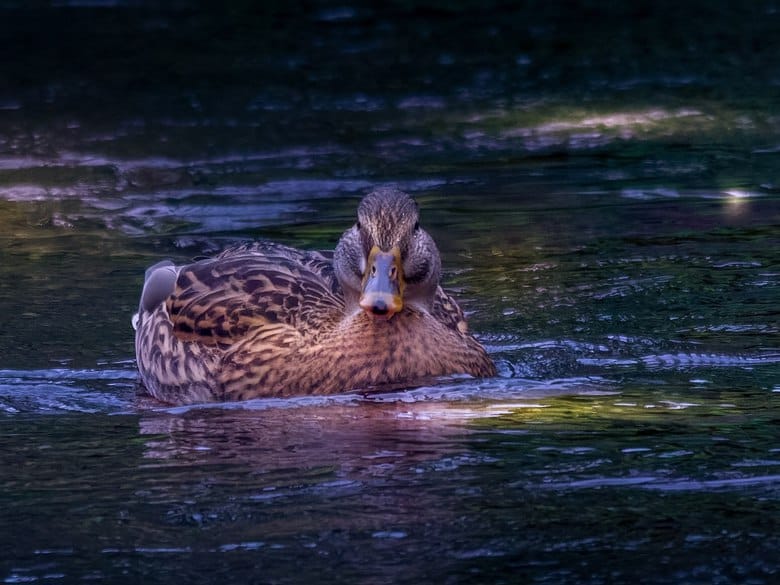
Mallards are, in many ways, the familiar face of British waterways — unassuming, resilient, and always present. Yet when seen through a late winter lens, they take on a quieter kind of majesty. The post-festive lull, when most of the countryside is just about to awaken, is precisely when such ordinary creatures become extraordinary.
They are birds bound by the rhythm of the river, by instinct and mutual habit. Mallards often pair off in winter, long before the nesting season begins. What looks at first like casual companionship is in fact a prelude to the year ahead — the slow beginning of courtship, the choosing of a mate who will accompany each other in spring. Watching them together on this quiet stretch of the Derwent, one can almost feel that turning point into the new seasons.
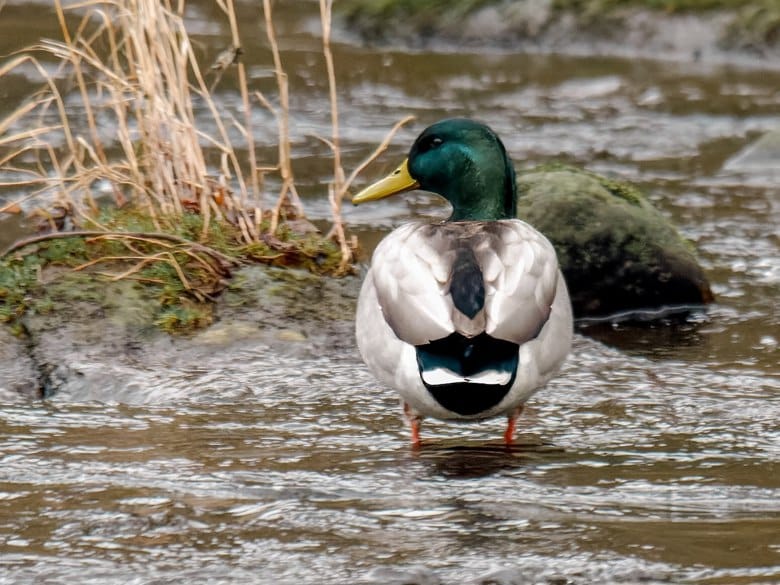
The setting deepens that story. The River Derwent, winding from the moors to meet the Tyne, holds a sense of continuity that mirrors the ducks’ own enduring presence. Along its banks lie centuries of human history — Roman routes, medieval fords, and the remnants of old mill workings. To see the Mallards there, framed against that timeless flow, is to glimpse how nature’s cycles persist through all human calendars and concerns.
All the best, Rowan.
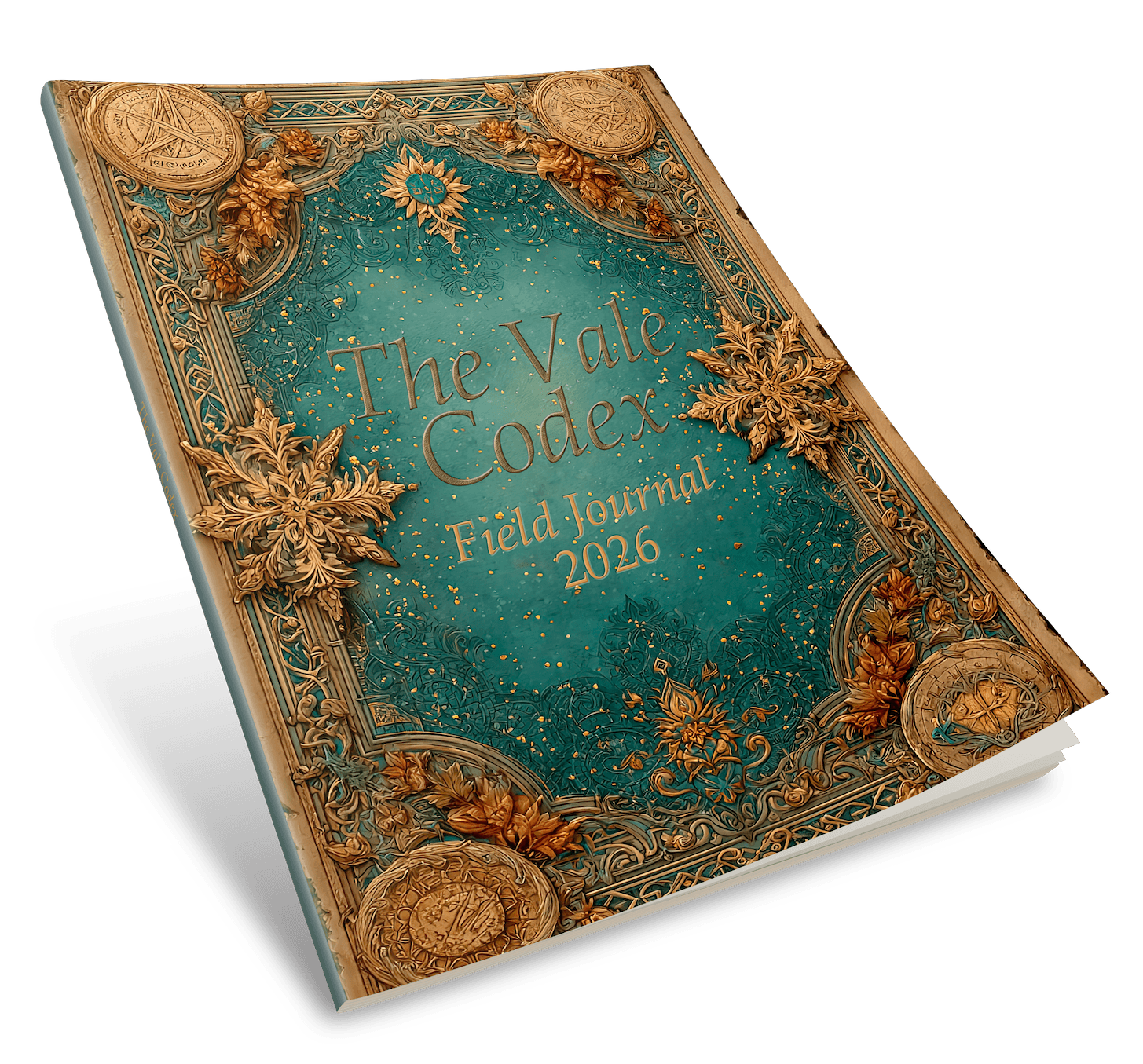
"GREAT NEWS... The 2026 Vale Codex Field Journal is available to download NOW!
The 48-page journal is a friend to carry on your own journey, expanding your mind and illuminating your path.
Tap this link to find out how to get your complimentary PDF copy right now!"
Kind regards, Rowan.