ROWAN VALE
Beltane - The Seasonal Surge
The Opening of the Gate
Some points in the year feel like quiet transitions. Others feel like stepping through a gateway. Beltane belongs firmly to the second kind.
Marked on the first of May, it signals a clear shift from the gentler rhythms of spring into something fuller, brighter, and far more energetic. This isn’t the soft unfolding of early blossoms or the hesitant return of warmth. It’s a surge. The landscape moves from waking up to being fully awake.
In older Gaelic traditions, the year was divided into two halves: the darker months beginning at Samhain, and the lighter months beginning here. Beltane stands at that dividing line. It marks the moment when longer days take hold, when growth accelerates, and when the natural world seems to gather momentum almost overnight.
Across the British countryside, the signs are unmistakable. Hedgerows thicken, fields deepen in colour, and woodlands begin to close in with leaf and shade. Hawthorn buds swell, grasses stretch taller, and the air itself feels different—fresher, but also charged with something harder to define. Even in the North of England, where early May can still carry a chill, the shift is clear. The season has turned a corner.
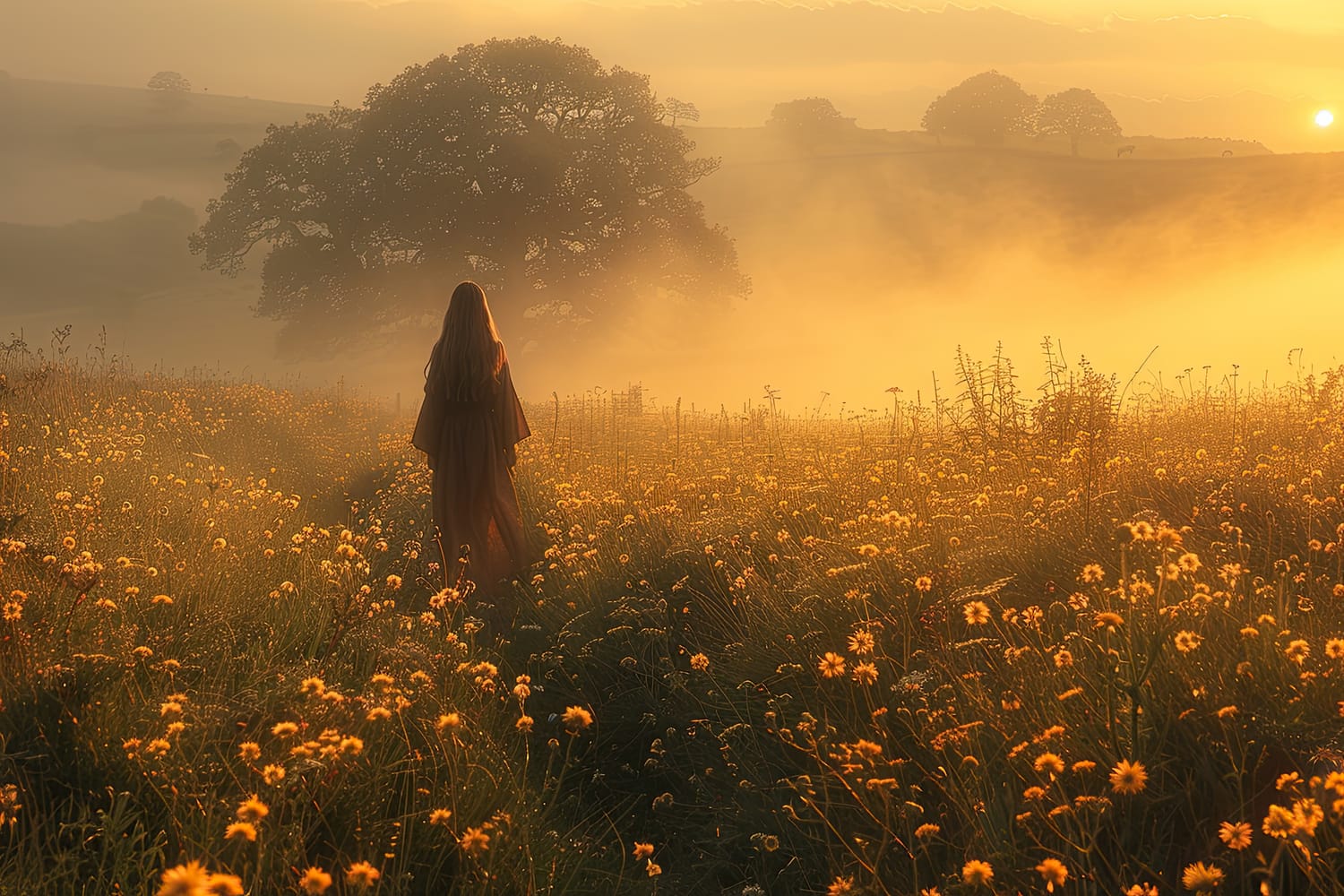
Step outside early in the morning and you’ll notice it most. Before traffic and routine take over, there’s a particular stillness to the land—but it isn’t empty. Birds are louder, light lingers longer, and there’s a quiet sense of movement everywhere. Growth is happening at every level, from tree canopies to the soil beneath your feet.
Historically, Beltane was marked with fire.
The name itself is often translated from Old Irish as “bright fire,” and that meaning played out in practice. Communities would extinguish their household hearths at the end of April, allowing a brief pause between seasons. Then, on higher ground, a new fire would be lit—traditionally by friction, sparked from wood rather than carried from an existing flame.
From this central fire, large bonfires were built. Livestock were driven between them in a symbolic act of protection and cleansing before being moved to summer pastures. People would also pass between the fires or circle them, marking a fresh start for the months ahead. Finally, embers from the communal blaze were taken back to relight the hearths at home.
It was both practical and symbolic: a way of protecting animals, but also a shared ritual of renewal.
While these customs are no longer part of everyday life, the instinct behind them still feels familiar. After the long, darker months of winter, there’s a natural urge to reset—to spend more time outdoors, to feel warmer air on your skin, to begin again with a bit more energy.
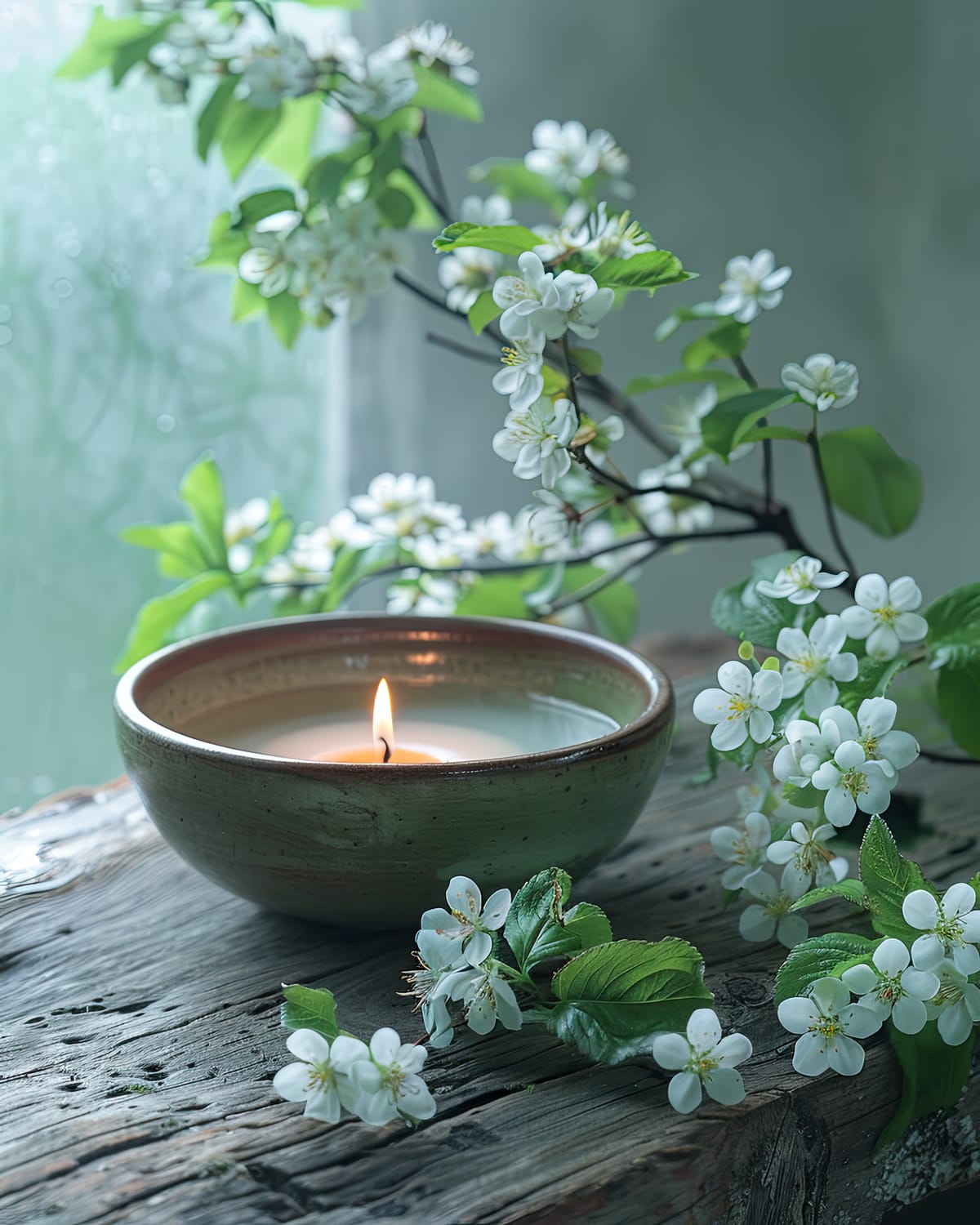
Beltane also carries a strong thread of folklore. It was traditionally seen as a time when the boundary between the everyday world and something more mysterious felt thinner. Particular plants, especially hawthorn—often called the “May tree”—were treated with caution and respect. Bringing its blossoms indoors was widely avoided, tied to old beliefs about luck and unseen forces.
Morning dew, gathered at dawn on May Day, was thought to hold special qualities. People would wash their faces in it for good health or a fresh start. Wells and springs were visited, offerings left, and attention given to the land as something active rather than passive.
Even without belief in folklore, these traditions reflect something grounded: a heightened awareness of the natural world at a time when it is at its most dynamic.
That shift isn’t only external. It tends to echo internally too.
After the slower pace of winter and early spring, this time of year often brings a noticeable lift in energy. Ideas that have been sitting quietly begin to feel more urgent. There’s a stronger pull toward action—whether that’s starting projects, spending more time outside, or reconnecting with people and places.
It’s not dramatic or mystical. It’s seasonal.
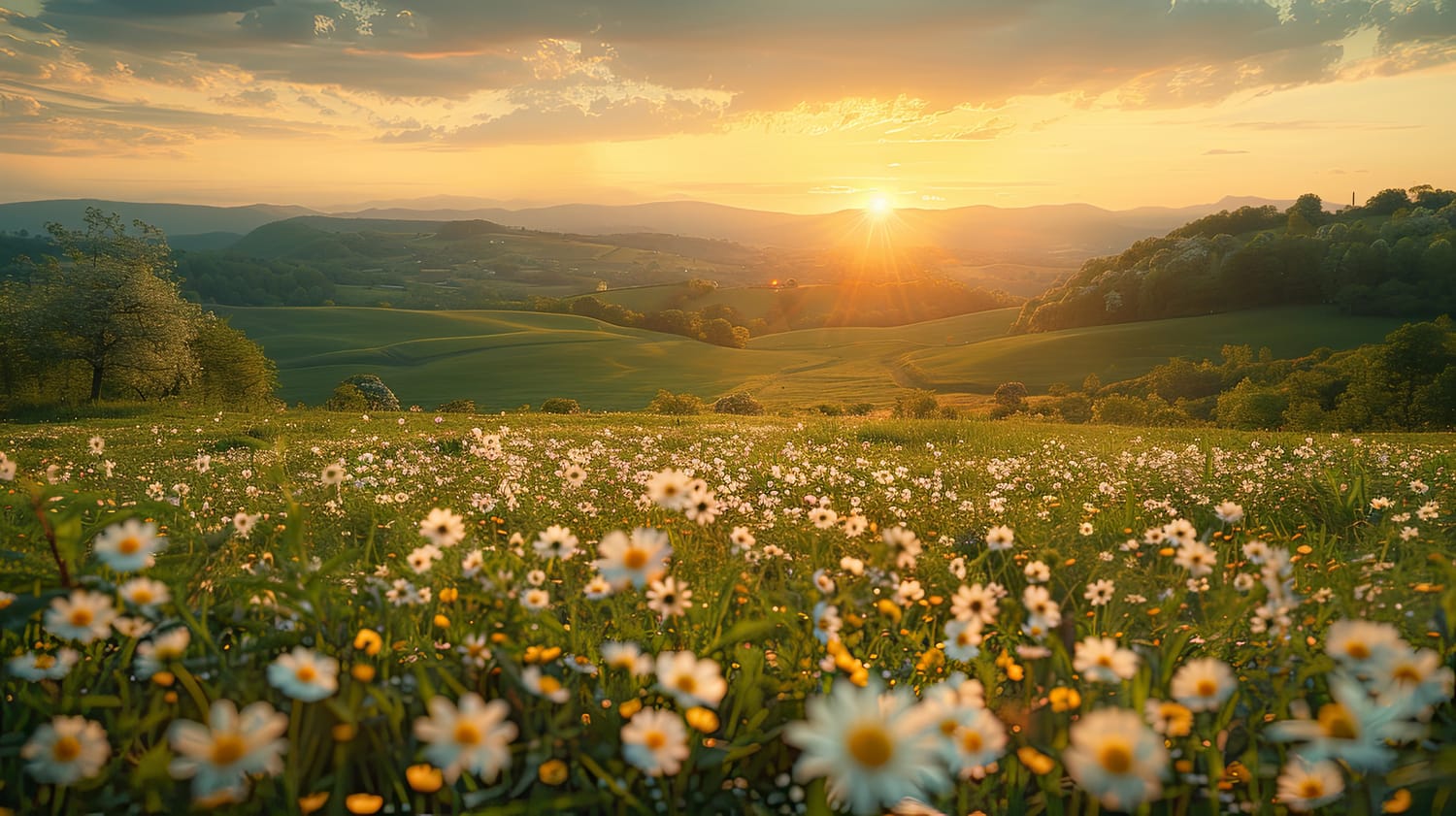
Humans respond to light, temperature, and environment just as much as any other part of the natural world. Longer days and warmer air change how we feel and how we move through our routines. Beltane simply marks that turning point in a more deliberate way.
At its core, it’s an invitation to pay attention.
You don’t need a bonfire on a hilltop to recognise the shift. It’s there in the length of the evenings, the sudden density of green along a country lane, the hum of insects returning to the air. It’s in the simple act of stepping outside and noticing that the world feels different than it did a few weeks ago.
Beltane isn’t about standing back and observing from a distance. It’s about stepping into the season as it arrives.
Walk out into it. Take in the detail—the scent of blossom, the texture of new leaves, the sound of wind through taller grass. Notice what’s changing around you, and what feels like it’s changing within you too.
The gate has opened.
Warmly, Rowan.
"GREAT NEWS... The 2026 Vale Codex Field Journal is available to download NOW!
The 48-page journal is a friend to carry on your own journey, expanding your mind and illuminating your path.
Tap this link to find out how to get your complimentary PDF copy right now!"
Kind regards, Rowan.